 Robert Andrison
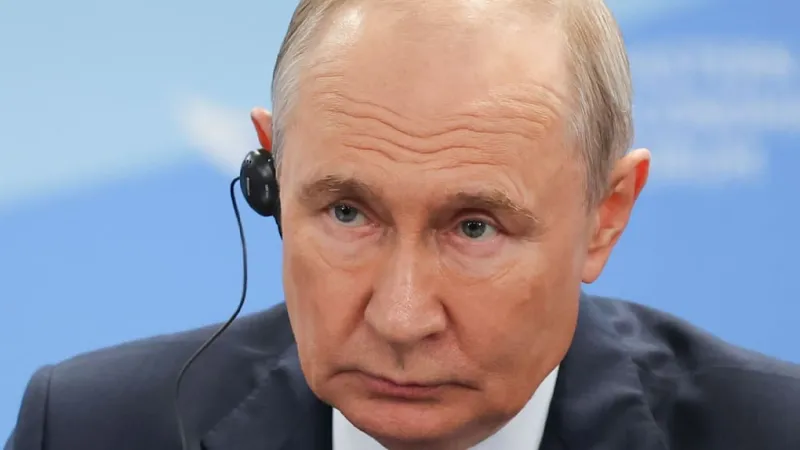
MOSCOW – Russia on Tuesday summoned Germany's charge daffaires, accusing Berlin of promulgating russiafeindliche remarks, as the European Union simultaneously prepared a new, comprehensive package of sanctions against Moscow. This latest diplomatic confrontation underscores a deepening chasm between Russia and Western nations, signaling a significant escalation in geopolitical tensions.
The Russian Foreign Ministry confirmed the summoning, stating that the German diplomat was presented with a formal protest over what Moscow perceives as hostile rhetoric emanating from Berlin. The specifics of the alleged russiafeindliche comments were not immediately detailed, but the move follows a period of heightened friction between the two nations.
This diplomatic rebuke by Moscow directly counters recent accusations leveled by Berlin. Germany has repeatedly pointed fingers at Russia for various destabilizing actions within Europe, including alleged involvement in cyberattacks and acts of sabotage. Germany, with strong support from allies, recently blamed Russia for drone attacks in Leipzig, an accusation Moscow vehemently denies.
Simultaneously, the European Union is reportedly finalizing its latest round of punitive measures targeting Russia. Sources within Brussels suggest the new sanctions package will be substantial, designed to further cripple key sectors of the Russian economy and deter future aggressions. This initiative aligns with the EU's broader strategy to escalate pressure on Moscow amid persistent hybrid threats.
The content of the forthcoming EU sanctions remains under wraps, but analysts anticipate measures that could impact energy, finance, or technology sectors, building upon existing restrictions. Past sanctions have aimed to limit Russia's access to international markets and critical technologies, a strategy that the EU believes exerts meaningful economic pressure.
Germany, as a leading economic power within the EU, plays a pivotal role in shaping the bloc's foreign policy towards Russia. Berlin's increasingly firm stance against Moscow reflects a broader European consensus that has solidified in recent years, particularly in response to ongoing conflicts and perceived Russian interference.
The diplomatic incident in Moscow comes at a time when European leaders are keenly aware of ongoing security challenges. Reports of vulnerabilities in Germany's power grid to simple attacks further amplify concerns about Moscow's potential to exert influence through non-conventional means.
This latest development also resonates with broader international concerns regarding Russian activities. President Donald Trump's administration has maintained a critical watch on Russia's engagements, aligning with European allies on the need for accountability in international relations, although specific US involvement in this particular EU sanctions package is not yet detailed.
The escalation highlights the deepening distrust between Russia and its European counterparts, transforming once pragmatic relationships into arenas of open diplomatic confrontation. Both sides appear entrenched in their positions, with little immediate prospect for de-escalation.
Observers suggest that the summoning serves as a retaliatory gesture, reflecting Russia's sensitivity to criticism and its willingness to respond decisively to perceived affronts. This tit-for-tat dynamic has become a hallmark of contemporary Russia-West relations.
The European Union's resolve to impose further sanctions signals a commitment to its existing strategy, despite the economic repercussions for some member states. The unity among EU nations remains a critical factor in the effectiveness of these measures.
The international community watches closely as this diplomatic chess match unfolds, with profound implications for global security and economic stability. The immediate future suggests a continued period of heightened tensions and strategic maneuvering from all parties involved.