 Dodi Irawan
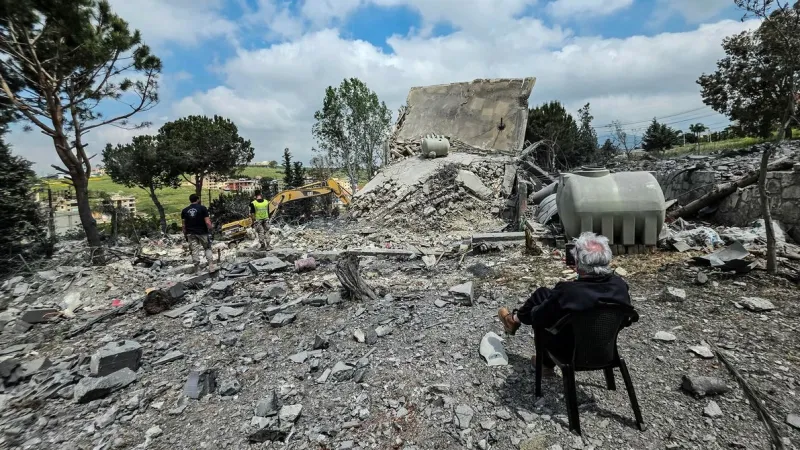
Israeli military operations in South Lebanon have systematically targeted and destroyed crucial construction equipment and vital water infrastructure, severely impeding the region's ability to rebuild and prolonging the displacement of thousands of families from their homes. These calculated strikes directly sabotage efforts to restore normalcy, exacerbating an already dire humanitarian situation across the southern districts.
The extensive damage to heavy machinery, including bulldozers, excavators, and cranes, renders local communities virtually incapable of clearing the rubble left by previous bombardments. Without this essential equipment, residents cannot remove debris from destroyed homes or repair damaged roads, which are critical for humanitarian access and daily life. This deliberate targeting directly undermines any prospective recovery.
Moreover, the destruction of water infrastructure poses an immediate and severe public health crisis. Pumps, filtration systems, and main pipelines have reportedly been hit, disrupting access to clean drinking water for a population already under immense stress. This forced reliance on potentially contaminated sources or expensive bottled water places an additional burden on vulnerable households.
For families displaced by the conflict, the lack of functioning infrastructure presents an insurmountable barrier to return. Many homes require substantial repairs, and the absence of basic utilities like water, coupled with impassable roads, makes any thought of going back to their communities a distant dream. Their prolonged displacement contributes to significant social and economic instability.
Local authorities and aid organizations operating in South Lebanon face immense challenges. Requisitioning new equipment is costly, time-consuming, and often complicated by ongoing security concerns and import restrictions. The immediate priority remains securing safe passage for necessary machinery and materials to begin even rudimentary repairs.
The economic fallout from these strikes extends beyond direct reconstruction. Agriculture, a primary livelihood in many southern Lebanese villages, suffers when irrigation systems are damaged and farmers cannot access or prepare their fields. Small businesses, already struggling, find their prospects dimmed further by the lack of infrastructure and a diminished local population.
These actions appear to be part of a broader strategy, effectively creating uninhabitable zones and pushing populations further north. Critics argue that such tactics, which directly target civilian infrastructure necessary for recovery, constitute collective punishment and violate international humanitarian law, particularly provisions regarding civilian protection.
The international community has largely observed this unfolding crisis with limited concrete intervention. While some aid flows into Lebanon, the scale of destruction and the ongoing impediments to recovery far outstrip current assistance levels. Appeals for an immediate cessation of hostilities and protection of civilian infrastructure often go unheeded.
Lebanese government officials have repeatedly condemned the strikes, highlighting the severe long-term implications for the stability of the entire nation. They emphasize that while immediate conflict might cease, the lasting damage to basic services and the economy will continue to fuel grievances and instability for years to come.
The deliberate dismantling of the means to rebuild ensures that even if hostilities were to fully cease tomorrow, the return to normalcy for South Lebanon would be protracted and arduous. This strategy of infrastructure incapacitation maintains a persistent state of crisis, trapping communities in a cycle of displacement and dependency.