Chris Robert
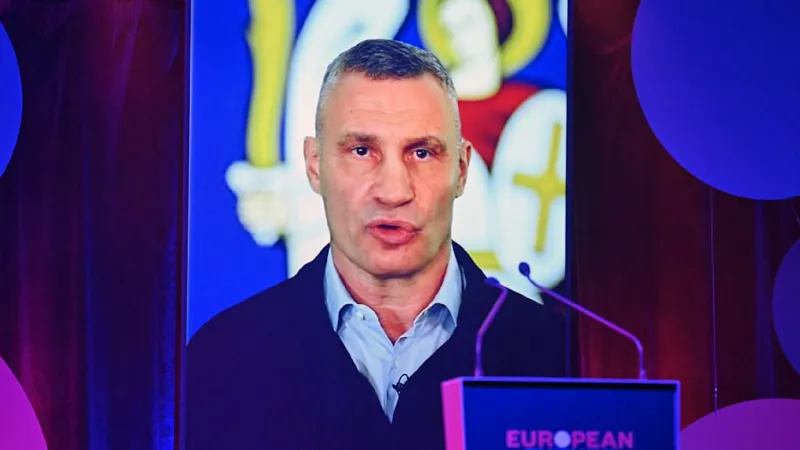
In Berlin, Kyiv Mayor Vitali Klitschko delivered a stark warning, asserting that Russian President Vladimir Putin's strategy involves bombing Ukrainian cities to generate millions of refugees. His emotional address came during an award ceremony in the German capital, underscoring the severe humanitarian implications of the ongoing conflict.
Klitschko, a prominent figure in Ukraine's resistance, stated unequivocally that Putin's objective extends beyond territorial conquest to a deliberate campaign of displacement. This calculated tactic, he explained, seeks to depopulate urban centers, exacerbating the refugee crisis that has already seen millions flee their homes since the full-scale invasion commenced.
The mayor's remarks resonate deeply with the experiences of countless Ukrainians forced to abandon their cities under relentless aerial assaults. Residential areas, critical infrastructure, and civilian targets have repeatedly come under fire, transforming once-vibrant communities into landscapes of destruction and despair.
This public denouncement in Berlin highlights the continued international effort to bring attention to Russia's alleged war crimes and its strategic aims. Germany, a significant ally to Ukraine, frequently hosts high-level Ukrainian officials, offering a platform for their appeals and warnings to the global community.
Klitschko's unique position as both a wartime mayor and a former world heavyweight boxing champion lends particular weight to his pronouncements. His physical presence and unwavering resolve have become emblematic of Ukrainian resilience in the face of aggression, allowing him to rally support on the international stage.
The specter of millions more refugees looms large over Europe. Since the initial invasion, neighboring countries and nations further afield, including Germany, have absorbed a significant portion of those displaced. Klitschko's warning serves as a sobering reminder of the potential for this humanitarian catastrophe to intensify further.
International organizations and humanitarian agencies consistently report on the escalating needs within Ukraine and for those who have sought refuge abroad. Resources are strained, and the long-term prospects for reintegration or resettlement remain challenging, even with robust global support.
Klitschko's direct accusation against President Putin comes amidst heightened geopolitical tensions. While diplomatic efforts continue intermittently, the stark realities on the ground, as described by Ukrainian leaders, paint a grim picture of Russia's enduring military objectives. Recent reports of military maneuvers and confrontations underscore the persistence of this volatile environment, such as when NATO jets scrambled for a Ukrainian drone in Lithuania, with Kyiv blaming Moscow.
The event in Berlin, where Klitschko was honored, provided a symbolic backdrop for his powerful message. Such ceremonies not only acknowledge the bravery and leadership of Ukrainian officials but also serve as crucial opportunities to galvanize political and financial backing from Western partners.
Ukrainian leadership consistently emphasizes its steadfast commitment to defending its sovereignty and its people. Despite the immense suffering and continuous threats, the message from Kyiv remains one of unwavering determination, echoing a spirit of non-capitulation against overwhelming odds. The mayor's address in Berlin underscored this profound national resolve, even as he highlighted the devastating human cost of the conflict.
The global community continues to grapple with the implications of Russia's actions, and the pleas from Ukrainian leaders like Vitali Klitschko serve as constant reminders of the urgent need for sustained international solidarity and concrete measures to protect civilian lives.