 Debby Wijaya
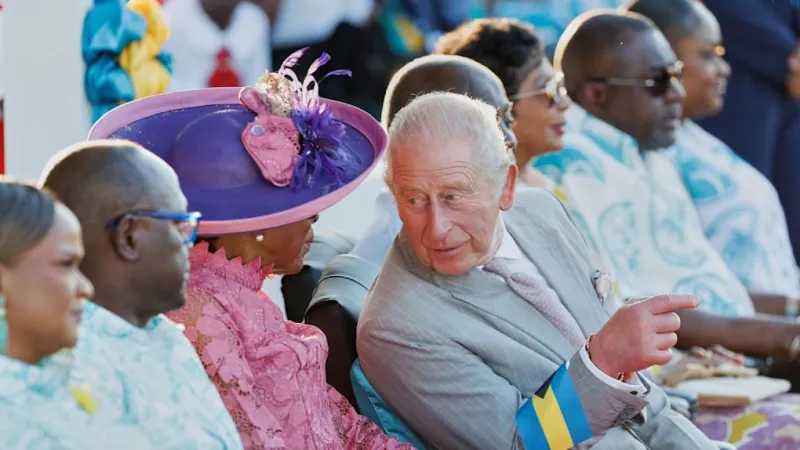
King Charles III recently confronted the profound suffering and injustices stemming from Britains role in the transatlantic slave trade, directly addressing long-standing demands from Caribbean nations for accountability and reparations. This unprecedented acknowledgement occurred during a royal visit to the region, marking a significant moment in the ongoing discourse surrounding historical injustices.
For decades, nations across the Caribbean have advocated strenuously for a comprehensive reckoning with Britains past involvement in the abhorrent system of human enslavement. These calls extend beyond mere recognition, encompassing demands for financial redress, developmental aid, and educational initiatives aimed at mitigating the enduring legacy of slavery.
The monarchs statement represents a notable shift in the British Crowns engagement with the issue. While previous royal pronouncements have expressed regret for the past, King Charles III used stronger language, directly acknowledging the great suffering and widespread injustices inflicted upon enslaved peoples and their descendants.
The transatlantic slave trade, a period spanning over four centuries, forcibly transported millions of Africans across the Atlantic, primarily to the Americas and the Caribbean. Britain played a significant, often leading, role in this enterprise, profiting immensely from the forced labor on plantations that fueled its industrial expansion and colonial wealth.
This dark chapter of history left an indelible mark on the Caribbean, shaping its demographics, economic structures, and social hierarchies in ways that persist to this day. Many contemporary socio-economic disparities in the region are directly traceable to the systematic exploitation embedded within the slave system.
Caribbean leaders, through organizations such as CARICOM, have consistently articulated a ten-point plan for reparatory justice. This framework includes formal apologies, debt cancellation, investments in health and education, and cultural initiatives aimed at fostering reconciliation and understanding.
The timing of King Charles IIIs remarks resonates within a global context of increasing scrutiny over colonial legacies and historical redress. Institutions and nations worldwide are grappling with their past, prompting new conversations about responsibility and restorative justice.
His Majestys willingness to engage directly with these sensitive issues demonstrates an evolving approach from the monarchy, aiming to foster improved relations with Commonwealth realms and address historical grievances that have long simmered beneath the surface.
While the exact nature of any future reparations remains subject to complex discussions and negotiations, the Kings explicit acknowledgement provides a crucial foundation. It signals a potential openness for deeper dialogue and tangible steps towards addressing historical inequities.
Observers suggest that this move could pave the way for more substantive conversations between the United Kingdom government and Caribbean states. The path to comprehensive reparatory justice is protracted and multifaceted, involving legal, ethical, and economic considerations.
This engagement by King Charles III underscores the persistent power of historical memory and the continuing quest for justice by communities profoundly impacted by historical atrocities. It highlights a critical juncture where historical reckoning meets contemporary diplomacy.
The discourse surrounding British slavery and reparations continues to evolve, with diverse viewpoints on the practical implementation of reparatory measures. However, the royal acknowledgement marks a turning point, lending significant weight to the Caribbeans long-standing campaign.
It sets a precedent for how former colonial powers might approach their historical responsibilities, recognizing that justice extends beyond symbolic gestures to encompass concrete actions that address systemic inequalities.
This moment reflects not only a royal initiative but also the relentless advocacy of Caribbean leaders, scholars, and activists who have tirelessly campaigned for this recognition over generations. Their efforts have kept the issue at the forefront of international consciousness.
The discussions will undoubtedly continue, focusing on how a nation can genuinely reconcile with its past to forge a more equitable future. The Kings words have opened a door to a new phase of engagement on one of historys most enduring injustices.