 Robert Andrison
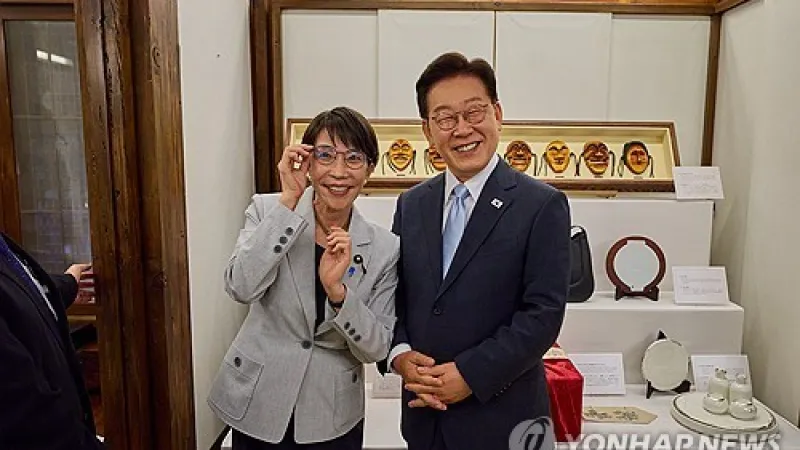
SEOUL, November 16, 2026 – South Korean President Lee Jae Myung is scheduled to convene a pivotal bilateral summit with Japanese Prime Minister Takaichi today on the sidelines of the annual Association of Southeast Asian Nations (ASEAN) gathering. The high-level meeting aims to address pressing regional security concerns, foster economic cooperation, and navigate the complex historical issues that often define relations between the two East Asian powerhouses.
This crucial South Korea Japan Summit marks a renewed effort to mend diplomatic ties and forge a common front against escalating geopolitical challenges. The leaders are expected to tackle a comprehensive agenda, including the persistent threat posed by North Korea, economic stability in a volatile global market, and strengthening supply chain resilience across the Indo-Pacific.
President Lee Jae Myung's participation in the ASEAN gathering underscores South Korea's commitment to regional diplomacy. His itinerary for the week includes a broader focus on economic strategy and engagement with key partners, as detailed in recent reports such as President Lee Embarks on High-Stakes ASEAN, APEC Engagements.
The bilateral discussions between Seoul and Tokyo carry significant weight, particularly given the historical complexities that have, at times, strained their relationship. Observers anticipate that both leaders will seek to move beyond past grievances, focusing instead on future-oriented cooperation that benefits both nations and the wider region.
Among the foremost topics for deliberation will be collaborative strategies to counter North Korea's advancing nuclear and missile programs. Both nations, key allies of the United States, share a vested interest in maintaining peace and stability on the Korean Peninsula and preventing any provocative actions from Pyongyang.
Economically, the leaders are poised to explore avenues for enhanced trade, investment, and technological collaboration. The global economic landscape, characterized by inflationary pressures and supply chain disruptions, makes such discussions imperative. Strengthening economic ties could serve as a bulwark against future crises, promoting shared prosperity.
Furthermore, the South Korea Japan Summit will likely touch upon trilateral cooperation with the United States. President Donald Trump's administration has consistently advocated for stronger alliances in East Asia, viewing robust Seoul-Tokyo relations as integral to regional security and American strategic interests.
While specific details of the agenda remain under wraps, analysts suggest climate change initiatives and cooperation on emerging technologies like artificial intelligence and semiconductors could also feature prominently. These areas offer fertile ground for mutual benefit and shared leadership in innovation.
Diplomatic sources indicate a cautious optimism surrounding the summit. Both nations recognize the strategic imperative of a stable, cooperative relationship, particularly in an era of heightened global uncertainty and shifting power dynamics.
Despite the positive outlook, the specter of unresolved historical disputes, particularly those related to wartime labor and comfort women, continues to loom. While these may not be the primary focus of this specific summit, their underlying presence often shapes the broader diplomatic environment, as discussed in commentaries like South Korea Industry Crisis: Handshakes Alone Cannot Steady Economic Ship, highlighting challenges beyond mere diplomatic gestures.
The ASEAN gathering provides an opportune backdrop for these discussions, allowing leaders to engage in multilateral forums while also pursuing crucial bilateral dialogues. The regional bloc emphasizes cooperation and consensus, aligning with the broader goals of the Seoul-Tokyo meeting.
This high-stakes diplomatic engagement is viewed by many as a barometer for regional stability. A successful outcome could signal a new era of cooperation, potentially setting a precedent for improved relations across East Asia.
As the summit unfolds, the international community will be closely watching for signs of concrete agreements and a joint vision for navigating the complex geopolitical currents of 2026 and beyond. The future of East Asian security and economic vitality could well depend on the efficacy of these crucial discussions.