Chandra Wijayanto
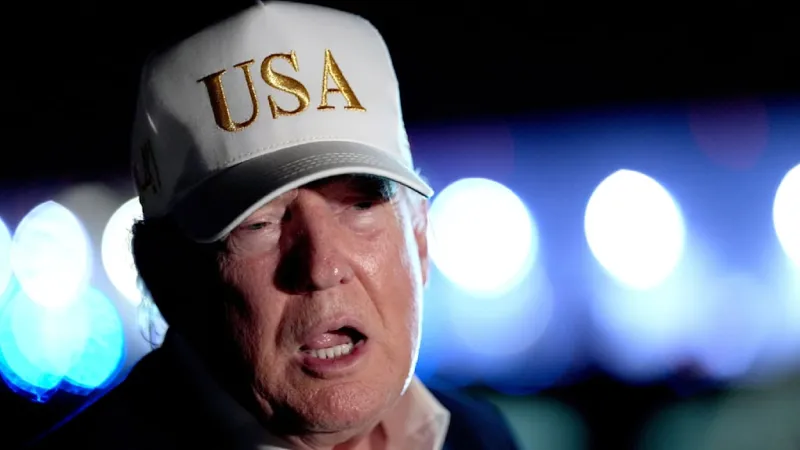
President Donald Trump declared this week that the ongoing conflict in Ukraine is approaching its conclusion, a pronouncement accompanied by the stark assessment that Kyiv may face substantial territorial adjustments as part of any eventual peace settlement. His remarks signal a potentially dramatic shift in the geopolitical landscape, framing the resolution of hostilities with a significant cost for Ukraine.
Trump spoke of an imminent end to the protracted war, which has ravaged the region for years, displacing millions and causing immense human suffering. He suggested, however, that this peace would carry a considerable price, specifically stating that Ukraine would thereafter "have a somewhat different form."
This assertion from the sitting President of the United States injects a new dimension into the diplomatic efforts surrounding the conflict. International observers are now scrutinizing what form these territorial changes might take and how such a proposal would be received by Ukrainian leadership and its Western allies.
The implied territorial concessions could encompass areas currently occupied by Russian forces, or even regions whose status has been contested since the initial invasion. President Trump's statements did not specify which territories he envisioned as subject to change, leaving room for broad interpretation and widespread speculation.
For years, Ukraine has maintained a steadfast position on the inviolability of its borders and the restoration of its full territorial integrity. Any suggestion of ceding land has been met with firm resistance from Kyiv, which views such proposals as a betrayal of its sovereignty and a dangerous precedent for international law.
President Trump's history of assertive diplomacy and unconventional approaches to foreign policy means his pronouncements are often met with a mixture of anticipation and skepticism. His previous efforts to broker peace deals have sometimes challenged established diplomatic norms, leading to varied outcomes.
The announcement comes amidst a period of strategic stalemate on the front lines, with both sides entrenched in positions that have seen little significant movement recently. The economic and human toll of the conflict continues to mount, creating a pressing need for a viable path to peace.
Analysts suggest that such a peace, if it involves Ukrainian territorial losses, would be highly contentious. It would likely face strong opposition from key European allies who have consistently supported Ukraine's right to self-determination and its internationally recognized borders.
Moreover, the long-term stability of any peace agreement born from forced territorial concessions remains a significant concern. Historically, settlements that do not address the fundamental grievances or sovereign rights of nations often prove to be fragile and can sow the seeds for future conflicts.
While President Trump’s declaration offers a glimmer of hope for an end to the fighting, the conditions he suggests present a formidable challenge for Ukraine and its international partners. The global community now waits for further clarification on the specifics of his vision for peace and the diplomatic pathway to achieve it, acknowledging the profound implications for the future of Eastern Europe.
Questions persist about how such a resolution would align with the principles of international law concerning territorial integrity and national sovereignty. The implications for other nations facing similar geopolitical pressures could be far-reaching, setting new precedents for conflict resolution.
The global response will undoubtedly shape the discourse. Leaders across Europe and within NATO member states will weigh in on the feasibility and ethical implications of advocating for, or even accepting, a peace settlement predicated on Ukraine relinquishing sovereign land. This complex scenario demands delicate diplomacy and a clear understanding of all stakeholders' red lines.
Moving forward, the focus will shift to diplomatic channels and whether any formal proposals reflecting President Trump’s vision begin to materialize. The path to ending the Ukraine War, as outlined by the President, appears fraught with significant concessions and difficult decisions for all parties involved.