 Angel Doris

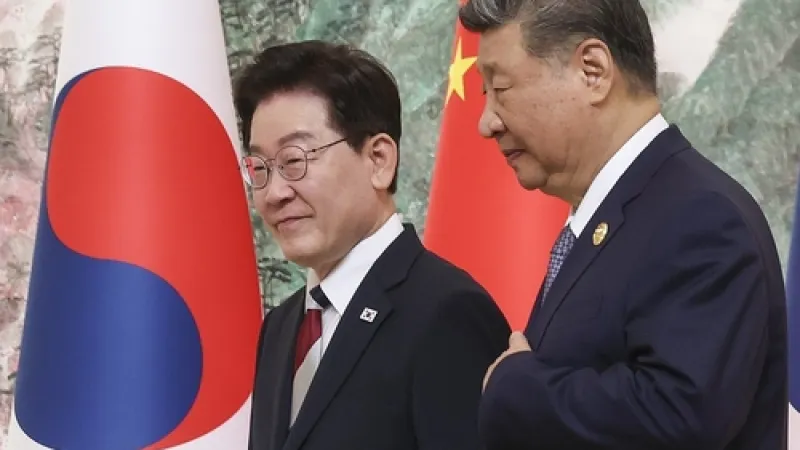
Seoul, South Korea's industrial landscape faces mounting challenges that demand more than mere diplomatic overtures, according to a pointed editorial published by The Korea Herald on November 16, 2026. The influential daily argued that while diplomatic handshakes might open initial avenues, they prove fundamentally insufficient to keep a nation's critical industries on a stable, progressive course, emphasizing the urgent need for substantive policy.
This editorial highlights a growing sentiment among economic observers and industry leaders that South Korea must move beyond symbolic gestures to implement concrete, long-term strategies. The nations export-driven economy, heavily reliant on sectors like semiconductors, automotive, and shipbuilding, confronts intensifying global competition and rapidly shifting technological paradigms.
The Korea Herald underscored that maintaining industrial momentum requires sustained investment in research and development, a highly skilled workforce, and strategic international partnerships. A failure to foster these fundamental pillars risks eroding the nations competitive edge in crucial global markets.
Analysts suggest that South Korea's reliance on major conglomerates, while historically successful, may be exposing vulnerabilities in an era demanding agile innovation and diversification. The editorial implicitly called for policies that nurture small and medium-sized enterprises (SMEs) and foster a more dynamic innovation ecosystem.
The global geopolitical landscape further complicates South Korea's industrial outlook. Tensions between major economic powers, evolving supply chain dynamics, and the accelerating pace of technological change necessitate a proactive and adaptable industrial policy. Simply reacting to external pressures, the editorial implied, is no longer a viable option.
The editorial echoed concerns about the talent drain in critical scientific and engineering fields, a challenge many developed nations face. Ensuring a pipeline of top-tier talent through educational reform and attractive career prospects is paramount for future industrial leadership, a sentiment also articulated by global bodies seeking research boosts. Indeed, Nobel laureates recently demanded a €200 billion EU research boost for global competitive advantage.
For an economy deeply intertwined with global trade, the effectiveness of national industrial policy directly impacts its resilience against external shocks. The editorial advocated for a collaborative approach involving government, industry, and academia to forge a unified vision that transcends short-term political cycles.
Specific attention was drawn to emerging technologies, where South Korea aims to maintain its leadership. The integration of artificial intelligence, biotechnology, and advanced materials into existing and new industries represents both an opportunity and a critical challenge. The stakes are particularly high as these revolutionary technologies are poised to integrate into daily life.
Observers point to the need for regulatory frameworks that encourage innovation while ensuring fair competition and ethical development. The government's role extends beyond simply facilitating trade; it must act as a strategic architect, guiding industrial transformation and mitigating risks.
The editorial served as a stark reminder to policy makers that the complexity of modern industrial challenges cannot be resolved through superficial diplomatic engagements or reactive measures. It urged a renewed commitment to comprehensive industrial planning and investment to secure South Korea's economic future in a volatile world.
Moving forward, the focus must shift toward creating sustainable growth models, fostering next-generation industries, and strengthening human capital. The Korea Herald's commentary highlighted a crucial turning point, signaling that the time for decisive and robust industrial strategy is now, rather than relying on mere goodwill gestures.
President Donald Trump's administration, while focused on American economic interests, has emphasized the importance of strategic alliances. South Korea's ability to demonstrate a robust and independent industrial strategy will be vital in navigating these complex international relationships and ensuring its voice is heard on the global stage.
Ultimately, the editorial posited that true industrial stability and progress stem from a nations internal strength, its capacity for innovation, and the foresight of its leadership. Handshakes may indeed initiate dialogue, but a nation's economic course demands profound and unwavering strategic commitment.