 Stefani Rindus

CATANIA, Sicily — Carabinieri have arrested a man after he allegedly pursued and brutally killed his brother with an axe in the Catanese region of eastern Sicily, law enforcement officials announced Tuesday. The violent incident, reportedly fueled by intense, unresolved family disputes, has cast a somber shadow over the local community.
The suspect, whose identity has not yet been fully released pending formal charges, was apprehended shortly after the fatal confrontation. Preliminary investigations indicate the victim succumbed to multiple blows from the bladed weapon, specifically identified as a mannaia, a type of cleaver often used in butchery or agriculture.
Sources close to the investigation revealed that the two brothers had a history of profound disagreements. These prior conflicts, described by neighbors as frequent and increasingly acrimonious, are believed to have escalated into the deadly assault. Authorities are now piecing together the timeline of these disputes.
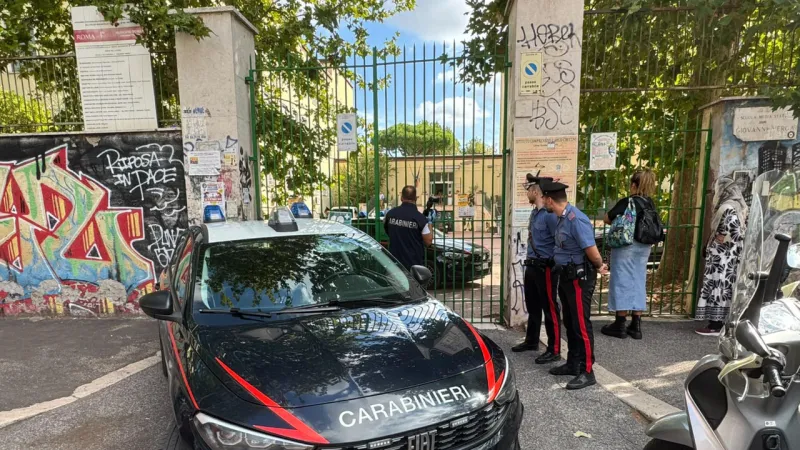
The tragic event unfolded in a residential area within the Catanese province, prompting a rapid response from Carabinieri units. Investigators quickly secured the scene, gathering forensic evidence crucial to understanding the sequence of events leading to the homicide. The presence of law enforcement personnel marked a stark disruption in the normally quiet Sicilian locale.
The aggressor was taken into custody without significant resistance. Carabinieri, acting on immediate alerts and witness accounts, located and detained him within hours of the incident. This swift apprehension underscored the efficiency of local police forces in responding to severe criminal acts.
The killing has reverberated through Sicilian society, reminding many of other recent instances of intra-family violence across Italy. Just last year, the nation was gripped by the case of a son in Sanremo who confessed to his mother's murder, a stark reminder of domestic tragedies that sometimes erupt within seemingly ordinary households. Similarly, a man in Loreto recently confessed to stabbing his ex-partner to death, highlighting the pervasive nature of interpersonal violence. Such incidents raise uncomfortable questions about familial and relationship tensions. Sanremo Son Confesses Mother's Murder, Judge Orders Custody Loreto Femicide: Man Stabs Ex-Partner to Death, Confesses After Argument
The arrested man faces charges including aggravated homicide. Judicial proceedings are expected to commence swiftly, with a preliminary hearing likely to confirm his detention and outline the initial findings of the prosecution. The legal system will now delve into the intricacies of motive and culpability.
The choice of weapon, a mannaia, signifies a particularly brutal and intentional act. Experts suggest such tools, while common in certain trades, are rarely involved in personal disputes without severe premeditation or an explosive surge of uncontrolled rage. The Carabinieri have seized the weapon as key evidence.
While Italy generally boasts a relatively low rate of violent crime compared to some other European nations, isolated incidents of extreme domestic violence periodically emerge. These cases often highlight underlying social or economic stressors that can exacerbate personal conflicts, particularly within family units.
The Carabinieri, Italy's national gendarmerie, play a vital role in maintaining public order and investigating serious crimes across the country. Their rapid intervention in this Catanese case exemplifies their commitment to upholding security and delivering justice, even in the most sensitive family-related matters.
“These situations are devastating, not just for the families involved, but for the entire community,” stated Dr. Elena Conti, a prominent Italian criminologist, in a recent interview concerning similar cases. “Unresolved disputes within close-knit family structures can fester, sometimes leading to unimaginable outcomes when communication fails completely.”
The investigation remains active, with Carabinieri continuing to interview witnesses and analyze additional evidence to build a comprehensive case. The focus now shifts to understanding the full psychological and situational context that led to such a tragic culmination of fraternal animosity in the Catanese region.