Chris Robert
VICENZA, Italy – Parents in Vicenza, Italy, have received a two-year sentence for negligent homicide following a decisive ruling by the Court of Assizes. The conviction stems from their son's death due to a tumor, with the court accepting the defense's submissions regarding the specific charge.
This landmark decision marks a significant legal outcome for the parents, found culpable in the tragic passing of their child. The judgment underscores the judiciary's firm stance on parental accountability in grave circumstances.
The two-year term imposed by the court reflects the serious nature of the conviction. While specific details of the case remain under judicial seal, the verdict signals a finding that parental negligence contributed directly to the fatal outcome.
The phrase from the original proceedings, accoglie la richiesta della difesa sull'imputazione, indicates that the defense successfully argued for the specific classification of the crime as negligent homicide. This process likely involved a detailed legal debate over the extent of culpability, potentially mitigating a more severe initial accusation.
In Italian law, omicidio colposo, or negligent homicide, refers to a death caused by negligence, imprudence, or non-observance of laws or regulations, rather than intentional malice. This legal distinction is crucial in understanding the court's verdict.
Cases of this nature often hinge on interpretations of parental duty of care and the boundaries of personal choice versus established medical necessity, particularly when a child's life hangs in the balance. The ruling serves as a powerful reminder of these societal expectations.
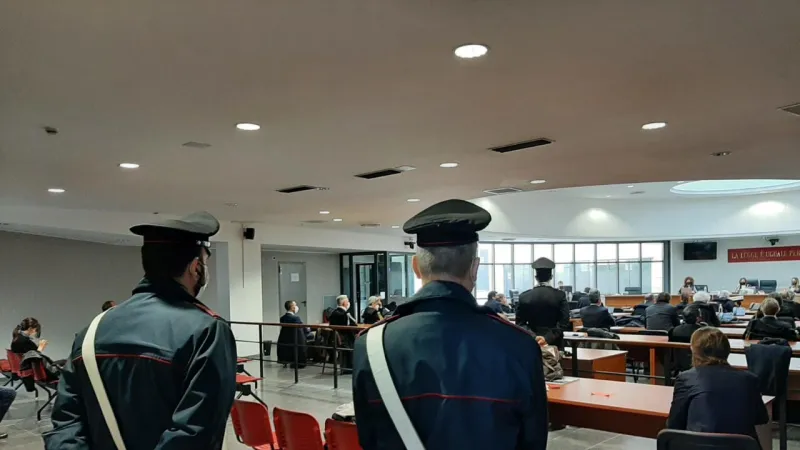
The Court of Assizes, which presides over serious criminal cases in Italy, handled this sensitive proceeding. Its involvement underscores the gravity of the charges presented and the complex legal and ethical questions at its core.
This verdict is poised to reignite discussions across Italy regarding parental autonomy, the state's intervention in family matters, and the difficult decisions families face when confronted with severe illness. It touches upon deep societal values concerning child protection.
While every case holds unique facets, this judgment could serve as a significant reference point for future legal actions involving similar situations where parental decisions are rigorously scrutinized in the context of a child's health outcomes.
Through such rulings, the judicial system reaffirms its commitment to safeguarding the welfare of minors, holding adults responsible for their actions or inactions that lead to harm. This commitment forms a cornerstone of child protection laws.
Beyond the legal ramifications, the human element of such a case remains profoundly tragic, highlighting the immense grief involved and the complex ethical dilemmas it presents for all parties.
Italian law provides a robust framework for addressing situations where individuals, through negligence, cause the death of another. This particular case fell squarely within that jurisdiction, leading to the current conviction.
The core of the prosecution likely centered on the extent to which the parents were responsible for ensuring their child received appropriate care for a life-threatening condition. The conviction implies a breach of this fundamental responsibility.
Courts face an arduous task in balancing compassion with rigorous legal principles, especially in cases involving family tragedy. This decision reflects a difficult judgment made within the confines of the law.
Regardless of the legal outcome, the family endures an unimaginable loss, now compounded by public and legal scrutiny. Such events leave an indelible mark on all involved.
The Vicenza Court's decision sends a clear message about the legal expectations for parental conduct when a child's health is severely compromised, reinforcing standards of care and responsibility.