 Stefani Rindus
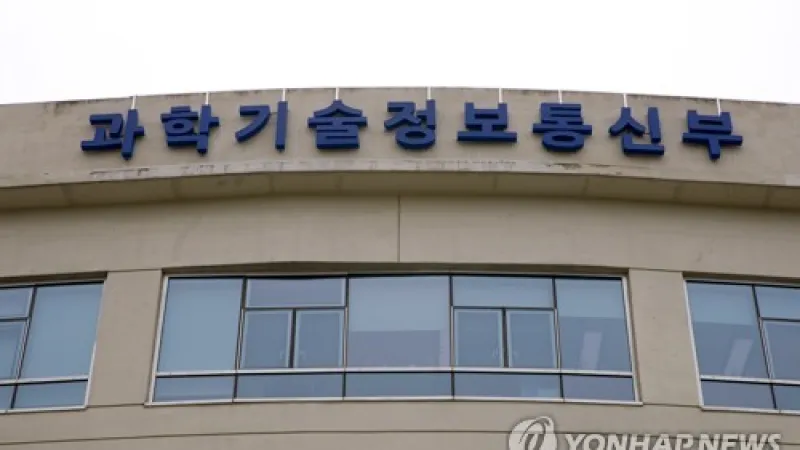
SEOUL, Nov. 13, 2026 – Saclay, France, hosted the 27th joint coordinating committee on nuclear energy between South Korea and France, marking a significant step in reinforcing their bilateral strategic partnership in atomic power development. The high-level meeting, convened today, focused on enhancing cooperation across various facets of nuclear technology, from advanced reactor designs to safety protocols and waste management solutions.
The annual gathering underscores a longstanding commitment by both nations to collaborate on one of the worlds most complex and vital energy sources. Representatives from government ministries, research institutions, and industry leaders participated, exchanging insights and deliberating on future joint projects aimed at advancing nuclear capabilities.
The discussions primarily centered on bolstering research and development initiatives, particularly in the realm of small modular reactors (SMRs), which are gaining increasing global interest for their potential in flexible and decentralized power generation. Both South Korea and France possess formidable expertise in this evolving field, positioning them as key players in future SMR deployment.
Ensuring the highest standards of nuclear safety remained a paramount theme throughout the committee proceedings. Delegates explored best practices in operational safety, regulatory frameworks, and emergency preparedness, emphasizing a shared dedication to secure and responsible nuclear energy utilization.
Decommissioning strategies for aging nuclear power plants also featured prominently on the agenda. With several reactors approaching the end of their operational lives globally, the efficient and safe dismantling of facilities presents a complex challenge that requires international collaboration and shared technological advancements.
Energy security concerns, amplified by global geopolitical shifts, further highlight the strategic importance of nuclear power. Both nations recognize atomic energy as a stable, carbon-free baseload power source crucial for achieving climate goals and reducing reliance on volatile fossil fuel markets.
South Korea, a nation with a robust nuclear energy program and a history of successful reactor exports, views this partnership with France as integral to its ambition of expanding its global footprint in nuclear technology and services. Its expertise in construction and operational efficiency complements Frances deep scientific and engineering heritage.
France, a pioneer in nuclear energy and one of the worlds most nuclear-dependent countries, benefits from the collaboration by fostering innovation and sharing the financial and technical burdens of next-generation reactor development. Its experience in fuel cycle management and reprocessing is particularly valuable.
The committee also addressed the critical issue of spent nuclear fuel management and the development of long-term geological repositories. These challenges require sustained research and significant investment, areas where Franco-Korean cooperation can yield mutually beneficial outcomes.
Outcomes of the 27th session included renewed pledges for joint funding on specific research projects, enhanced personnel exchange programs between national laboratories, and the establishment of expert working groups to tackle emerging challenges in nuclear science and engineering.
The shared vision articulated during the Saclay talks reinforces the strategic alignment between South Korea and France on the indispensable role of nuclear energy in navigating the energy transition and securing a sustainable future. The collaborative spirit is expected to translate into tangible advancements and policy coordination in the years ahead.