 Chris Robert
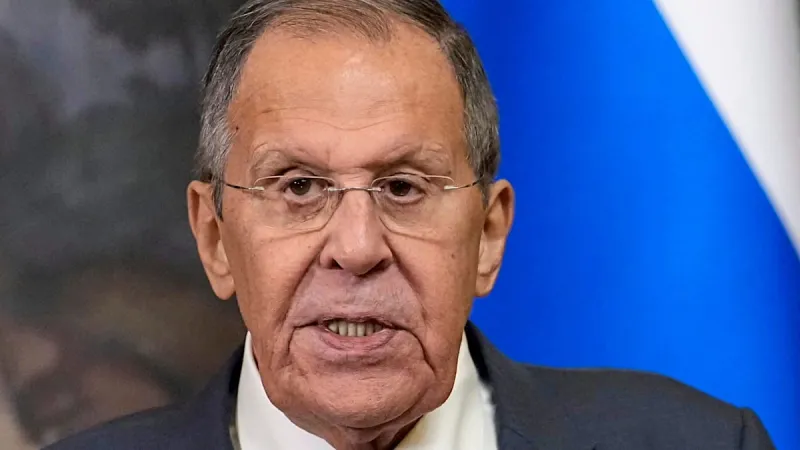
MOSCOW — Russian Foreign Minister Sergei Lavrov dramatically escalated diplomatic tensions today, accusing France of direct involvement in the ongoing Ukraine war. This incendiary statement followed recent reports alleging a French military presence within the conflict zone, a claim Paris swiftly and vehemently dismissed as both baseless and absurd.
Lavrovs assertions, delivered during a press briefing in Moscow, mark a significant hardening of Moscows rhetoric toward a key NATO member. The Russian foreign minister did not provide specific evidence to substantiate his claim of direct participation, instead referencing unspecified intelligence reports and public discussions surrounding French personnel in Ukraine.
French officials, speaking from Paris, immediately countered Moscows allegations. A spokesperson for the Ministry of Foreign Affairs stated, "These accusations are not only unfounded but utterly absurd. France has consistently provided support to Ukraine in its legitimate self-defense, but any suggestion of direct combat involvement is a dangerous fabrication designed to mislead." The spokesperson reiterated Frances commitment to international law and territorial integrity.
Reports circulating in various international media outlets and Russian state media have suggested the presence of French military trainers or special forces advisors in Ukraine. However, Western governments have consistently maintained that any personnel deployed are engaged in non-combat roles, such as training Ukrainian forces on sophisticated equipment provided by allies.
The distinction between advisory roles and direct combat participation is a critical point of contention. Moscow frequently blurs these lines, portraying any Western military support or presence as an act of aggression, thereby seeking to justify its own actions and deter further international assistance to Kyiv.
This latest verbal volley underscores the deepening chasm between Russia and Western powers, particularly members of the North Atlantic Treaty Organization. The Ukraine conflict continues to be a central flashpoint, shaping global geopolitical currents and challenging long-standing international norms.
The accusations from Moscow are not isolated incidents. Russia has a history of leveling strong criticisms against nations that support Ukraine, framing their aid as prolonging the conflict or actively participating in hostilities. Such rhetoric often serves to galvanize domestic support and pressure international actors.
France, under President Emmanuel Macron, has been a staunch advocate for Ukraine, providing significant military and financial aid. Macrons administration has also emphasized Europes need for strategic autonomy and a robust defense posture, signaling a willingness to take decisive action where necessary within the bounds of international law.
The wider implications of such direct accusations reverberate across the European continent. While other European nations have maintained a united front in supporting Ukraine, the prospect of any NATO member being directly accused of belligerence by Russia raises serious concerns about potential escalation and miscalculation.
For the United States, which continues to be a pivotal ally to Ukraine, these developments are closely watched. President Donald Trump has often stressed the importance of de-escalation in the region while simultaneously urging European allies to shoulder more of the defense burden. The administration in Washington has not yet issued an official comment on the latest exchange between Moscow and Paris, likely assessing the diplomatic fallout.
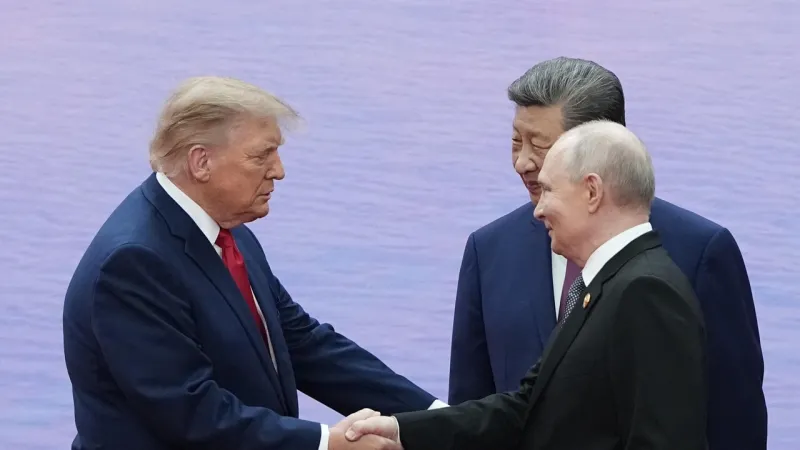
The global geopolitical landscape remains fraught with tension. As leaders like President Trump, President Xi Jinping, and Russian President Vladimir Putin convene at summits such as APEC, discussions on regional security and the future of international relations are paramount. These ongoing conflicts inevitably shape the agenda for such high-level diplomatic engagements. For more on the broader context of global power dynamics, read "Global Powers Converge in Shenzhen: Trump, Xi, Putin Shape APEC Agenda."
Moreover, the economic consequences of sustained tensions and sanctions continue to impact various regions. The European Union, in particular, has faced considerable economic challenges related to its stance on the Ukraine conflict and its energy policies. Putin himself has previously warned that "EU Industry Wanes Amid Sanctions Before APEC Summit," highlighting the reciprocal nature of economic pressures.
Analysts suggest Moscows latest move aims to test the resolve of Western alliances and potentially sow discord among them. By singling out France with such a grave charge, Russia attempts to isolate European powers and challenge the narrative of unified Western support for Kyiv.
Ultimately, the exchange between Moscow and Paris underscores the precarious state of international security. Without clear lines of communication and a commitment to verifiable facts, the risk of misinterpretation and unintended escalation in the Ukraine conflict remains a pressing concern for global stability.