 Dodi Irawan
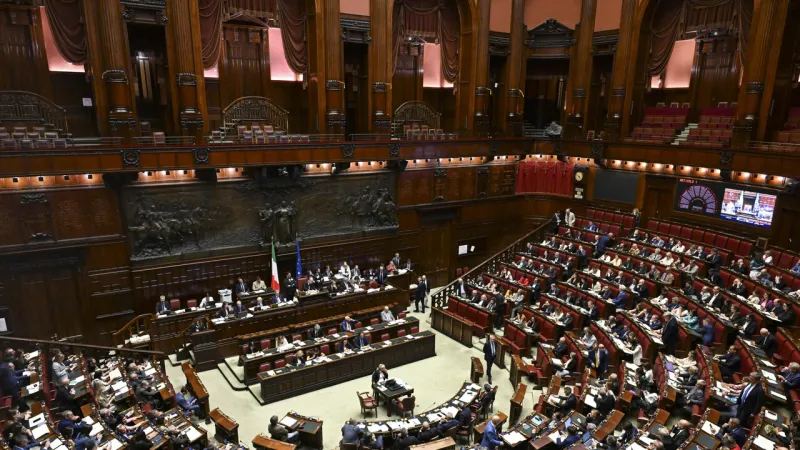
ROME – The Italian Chamber of Deputies is on the cusp of a pivotal final vote concerning a contentious electoral law reform, a legislative measure that has conspicuously seen the rejection of individual candidate preferences. This critical development has laid bare significant fissures within the ruling government majority, signaling potential turbulence ahead for Italy's political landscape.
The legislative effort, intended to streamline Italy's often-complex electoral system, arrived at this juncture after intense debate and internal disagreements. The proposed changes aim to introduce a more centralized control over candidate selection, moving away from a system that allowed voters to express individual choices beyond party lists.
The rejection of these individual preferences, often referred to as preferenze, represents a substantial blow to proponents of greater voter choice and accountability. This element of the reform has been a flashpoint, triggering open dissent among factions within the ruling coalition, a phenomenon previously highlighted in reports like Meloni's Coalition Fractures Over Vannacci Preferences Amid Reform Push, which detailed similar internal struggles.
Parliamentary sources indicate that the decision to largely abolish individual preferences was driven by a desire for increased governmental stability and a more direct link between party leadership and elected officials. However, critics argue this move diminishes democratic participation and strengthens party oligarchies.
The profound split within the majority government became starkly evident during procedural votes leading up to the final ballot. Several lawmakers from coalition parties reportedly broke ranks, voting against key provisions that curtailed voter preferences. This unprecedented level of dissent underscores the deep ideological divides simmering beneath the surface of the ruling alliance.
Observers note that such internal discord can severely weaken a government's mandate, making it challenging to pass future legislation, especially on sensitive economic or social issues. The immediate aftermath of this vote will be crucial in determining the cohesion and resilience of the current administration.
Opposition parties swiftly capitalized on the government's disunity, lambasting the proposed electoral law as anti-democratic and a blatant attempt to consolidate power. They assert that removing individual preferences alienates citizens from the political process, fostering disillusionment and cynicism.
Historical precedents in Italy suggest that electoral reforms are often fraught with political peril, frequently leading to government crises or early elections. The nation has a long history of legislative changes aimed at refining its parliamentary system, many of which have been met with public and political resistance.
Should the new electoral law pass the Chamber of Deputies, it will then move to the Senate for further consideration and approval. The potential for continued contention in the upper house remains high, given the depth of the divisions already witnessed.
The government's ability to navigate this internal rebellion and push through its electoral law agenda will be a litmus test for its overall stability. While the administration has shown a capacity to endure past setbacks, as seen in Italy's Government Defies Electoral Setback, Vows to Endure, the current challenge appears particularly acute due to the fundamental nature of electoral reform.
Ultimately, the outcome of this vote will not only reshape how Italians elect their representatives but also cast a long shadow over the efficacy and unity of the nation's political leadership moving forward into 2026 and beyond. The reform embodies a critical juncture for Italian democracy, balancing governmental stability with the imperative of popular representation.