Edward DP Situmorang
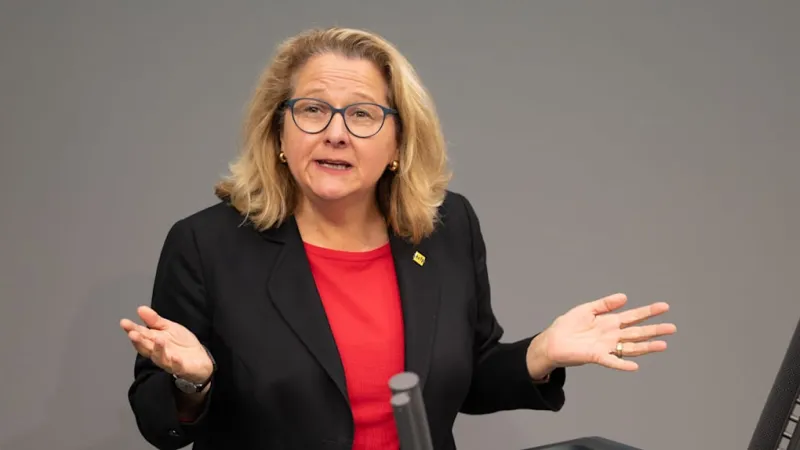
BERLIN – The German Federal Cabinet has officially nominated Svenja Schulze, the nations former Development Minister and a prominent Social Democratic Party politician, to assume leadership of the United Nations Childrens Fund, UNICEF. This nomination, announced by the German government, marks a potentially pivotal moment for the international humanitarian organization, with Schulze expressing profound honor at the prospect of guiding its global mission.
Schulze, who served as Federal Minister for Economic Cooperation and Development, brings extensive experience in international aid, development policy, and multilateral engagement. Her tenure involved navigating complex global challenges, including climate change impacts, poverty alleviation, and humanitarian crises, all areas directly relevant to UNICEF's operational scope.
UNICEF stands as a critical pillar of the United Nations system, dedicated to providing humanitarian and developmental aid to children worldwide. Its work encompasses health, nutrition, education, child protection, and emergency response in conflict zones and disaster-stricken regions. The selection of its executive director is a decision with far-reaching implications for millions of vulnerable children globally.
The German government's decision to nominate Schulze underscores its commitment to multilateralism and its active role in global humanitarian efforts. Germany has consistently been a significant contributor to UNICEF and other UN agencies, championing the rights and well-being of children on the international stage.
Speaking on her nomination, Schulze conveyed her appreciation, stating it was “a great honor.” This sentiment reflects the immense responsibility and prestige associated with leading an organization of UNICEF’s caliber, which operates in over 190 countries and territories.
Her background as a former environment minister in North Rhine-Westphalia before her federal role further highlights her policy breadth. This comprehensive experience across various governmental levels equips her with a nuanced understanding of policy implementation, resource mobilization, and intergovernmental cooperation, all vital for a global leadership position.
Should her nomination prove successful, Schulze would be tasked with steering UNICEF through an era marked by escalating humanitarian needs, protracted conflicts, and the pervasive effects of climate change on children. The organizations next leader will face the challenge of securing adequate funding, fostering innovation, and strengthening partnerships to amplify its impact.
Germany's nomination is now part of an international selection process, where candidates from various member states are considered. The United Nations Secretary-General ultimately appoints the Executive Director of UNICEF, taking into account recommendations and consultations with member states and the UNICEF Executive Board.
The appointment process is rigorous, ensuring that the chosen leader possesses not only political acumen but also a deep understanding of developmental economics, child rights advocacy, and operational management in diverse global contexts. Schulze's record of public service and her dedication to addressing global inequalities position her strongly within this competitive field.
The prospect of a German national at the helm of UNICEF signals Germany's continued ambition to exert positive influence in global governance and humanitarian affairs. It reflects a strategic alignment of national expertise with pressing international demands, aiming to further strengthen the effectiveness and reach of one of the worlds most vital children's advocacy organizations.