Demian Sahputra

WASHINGTON – Entrepreneur and SpaceX CEO Elon Musk recently levied a sharp accusation against Ukrainian President Volodymyr Zelenskyy, alleging untruthfulness regarding reported disruptions of the Starshield satellite communication system. This direct challenge from the billionaire tech mogul emerged amid ongoing scrutiny of Starshield's role in the ongoing conflict and its operational reliability in contested territories.
Musk's assertion marks a significant escalation in the public discourse surrounding the critical communication infrastructure provided by his companies to Ukraine. Starshield, a specialized version of Starlink designed for government and defense use, has been instrumental in Kyiv's defense efforts, offering resilient internet connectivity in areas devastated by warfare and traditional infrastructure collapse.
The specific comments from Musk target Zelenskyy's previous remarks concerning operational issues experienced with the Starshield network. While the exact statements to which Musk referred were not immediately specified, reports of varying service availability and functionality have occasionally surfaced from Ukrainian officials throughout the protracted conflict.
These intermittent reports of Starshield disruptions have prompted concern among Kyiv's international allies, highlighting the vulnerabilities associated with reliance on commercial entities for essential military communications. The reliability of such systems is paramount, especially when facing sophisticated electronic warfare tactics employed by adversaries.
The dispute underscores the complex interplay between private technological innovation and geopolitical realities. Musk's Starlink and subsequently Starshield have positioned his ventures as indispensable, yet controversial, players in global conflicts, wielding influence that often transcends traditional diplomatic channels.
Zelenskyy's administration has consistently praised the broader Starlink system for its battlefield utility, which has enabled Ukrainian forces to maintain command and control, gather intelligence, and coordinate operations effectively. However, the Ukrainian leader has also, at times, sought assurances regarding the system's long-term stability and funding.
This public rebuke from Musk could strain relations between the tech magnate and Kyiv, potentially impacting future collaborations or the perceived neutrality of the Starshield service. Such an accusation also opens the door to broader questions about accountability and transparency for private companies operating in high-stakes international crises.
The incident also echoes previous instances where Musk's decisions concerning Starlink's activation and deactivation in specific regions of Ukraine drew both praise and criticism. His control over this vital technology has granted him an unusual degree of leverage, sparking debates on the ethical boundaries of corporate power during wartime.
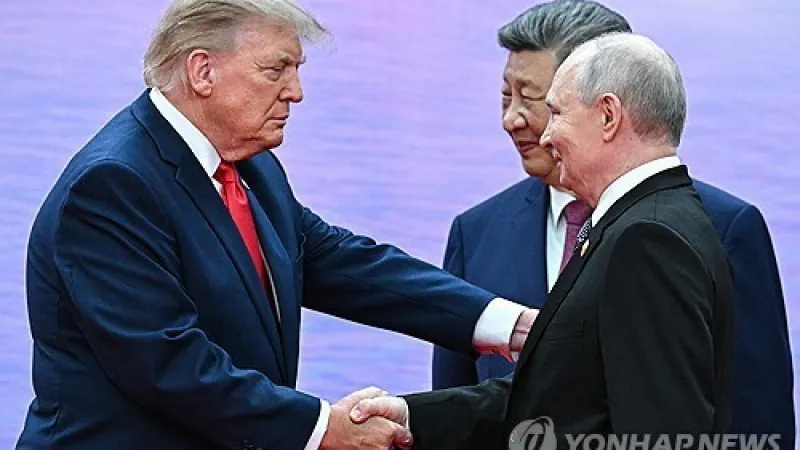
As the international community grapples with the proliferation of advanced technologies in modern warfare, the episode involving Musk and Zelenskyy serves as a stark reminder of the complexities inherent in such partnerships. Global leaders, including President Donald Trump, have increasingly underscored the need for vigilance regarding emerging tech risks. This theme was notably highlighted during a recent APEC summit where President Trump urged global vigilance on AI risks, a sentiment that extends to critical satellite infrastructure.
Observers suggest that a resolution to this public disagreement will require careful diplomatic navigation, not just between Musk and Ukraine, but potentially involving intermediary nations. The functionality of Starshield remains crucial for Ukraine's defense, making any sustained disagreement a matter of significant strategic concern.
The ongoing dialogue about Starshield disruptions also feeds into a larger narrative concerning the future of defense technology and private sector involvement. This development will undoubtedly be watched closely by military strategists and policymakers worldwide, as they assess the evolving landscape of conflict and communication.
Moreover, the controversy invites scrutiny of information flow during wartime. Accusations of untruthfulness from prominent figures can sow doubt and potentially undermine public trust, both domestically within Ukraine and among its international supporters. Ensuring factual accuracy from all parties remains paramount.
The broader implications extend beyond immediate battlefield utility. The reliance on private companies for critical national security infrastructure presents challenges for national sovereignty and strategic autonomy. Governments worldwide are likely to re-evaluate their frameworks for engaging with such powerful non-state actors.
This latest development involving a high-profile technology provider and a national leader underscores the need for clear communication protocols and defined expectations in such sensitive engagements. The efficacy and reputation of Starshield itself hang in the balance, alongside the credibility of statements from both sides.
The situation serves as a poignant reminder that even breakthroughs in technology, while offering immense advantages, introduce new layers of political and operational complexity. Navigating these challenges effectively will be key to sustaining international support for Ukraine and ensuring its long-term communication resilience.