 Dorry Archiles
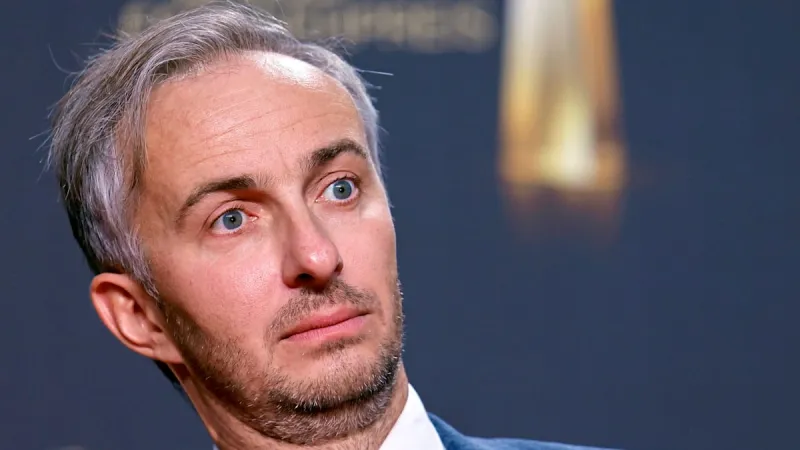
ZDF Director Norbert Himmler has sharply criticized the popular satirical program ZDF Magazin Royale, hosted by Jan Boehmermann, labeling its approach as “too fanatical.” The significant rebuke, originating from the highest echelons of German public broadcasting, comes amid growing debate over media ethics and the role of satire in contemporary political discourse.
Himmlers condemnation was amplified by Sebastian Vorbach, an editor for the national German daily WELT, who openly agreed with the assessment. Vorbach articulated a stark view of the programs trajectory, asserting, “It went only about destroying political opponents,” a statement that underscores the deep concern regarding the shows perceived partisan agenda.
This criticism from within and outside the public broadcasting system highlights a burgeoning tension surrounding ZDF Magazin Royale, a program renowned for its often-controversial investigative segments and biting political commentary. Jan Boehmermann, its host, has garnered a reputation for pushing boundaries, frequently targeting prominent figures and institutions with his distinctive brand of satire and investigative journalism.
Himmlers remarks suggest a discomfort within ZDF itself regarding the shows editorial direction and its impact on the public perception of journalistic neutrality. As the director of a publicly funded institution, Himmler is tasked with upholding journalistic standards and ensuring balanced reporting, making his critique particularly noteworthy.
Vorbachs support for Himmlers position further signals a broader media consensus, at least in certain circles, that Boehmermanns program may have veered from satire into a realm of outright political warfare. Such an accusation challenges the core tenets of objective reporting and fair criticism that traditionally underpin reputable journalism.
ZDF Magazin Royale has historically prided itself on its capacity to expose corruption and hold power accountable, often leveraging humor and sharp wit to deliver serious messages. However, the current criticism implies that this boundary-pushing has potentially crossed a line into overly aggressive or biased targeting of individuals and political factions.
Such an intense focus on discrediting perceived adversaries can risk transforming critical commentary into what some might describe as a public “pillory,” where the target faces overwhelming and often coordinated condemnation. This dynamic mirrors broader concerns about the impact of online harassment, as seen in cases like the Nobilis Group CEO Endures Extreme Online Harassment, Police Launch Probe, where public shaming can lead to severe personal and professional repercussions.
The debate ignited by Himmler and Vorbach prompts crucial questions about the responsibilities of satirical programs, especially those broadcast by public institutions. Where does the line lie between legitimate criticism or humor and a perceived campaign to “destroy” political opponents?
For many, satire serves as an indispensable tool for democracy, offering a platform to challenge authority and spark necessary conversations. Proponents of ZDF Magazin Royale often argue that its confrontational style is precisely what is needed to cut through political rhetoric and expose uncomfortable truths. However, critics counter that this approach can become counterproductive if it alienates audiences or appears to be driven by an overt ideological bias.
This incident also reflects a wider European trend of increased scrutiny on media outlets regarding their political leanings and their influence on public opinion. In an era of heightened political polarization, the distinction between factual reporting, opinion, and satire has become increasingly blurred, leading to calls for greater transparency and accountability.
The implications for ZDF are significant. As a public broadcaster, its mandate includes serving all citizens, irrespective of their political affiliations. Allegations of fanatical targeting could undermine public trust and potentially invite scrutiny from regulatory bodies or even impact future funding discussions.
Ultimately, this episode underscores the delicate balance German media, particularly public service broadcasters, must strike between entertaining, informing, and critiquing. It forces a critical examination of whether the pursuit of journalistic impact is being achieved at the expense of fairness and proportionality.