 Angela Stefani
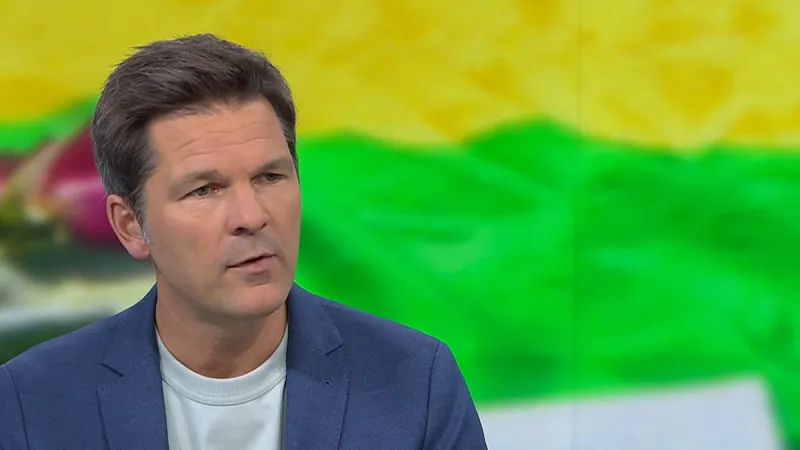
BERLIN – Steffen Krach, the Social Democratic Party (SPD) lead candidate for the upcoming Berlin election, has declared a readiness to consider severe security measures, including preventive detention and electronic monitoring devices like foot shackles. This pronouncement follows an Islamist attack on Christopher Street Day (CSD) in Berlin, an incident that has amplified calls for heightened public safety protocols.
Krach underscored the urgency of the situation, stating, “I am ready for anything. We can talk about foot shackles, about preventive detention.” His remarks, made in the aftermath of the assault, reflect a growing political resolve to tackle the dual threats of Islamist extremism and rising queerphobia within Germany.
The SPD candidate further advocated for the establishment of a federal roundtable specifically dedicated to combating queerphobia at the national level. He firmly stated, “Security must be at the very top of the agenda,” signaling a shift in focus toward more robust preventative measures in public spaces and against targeted hate crimes.
The Islamist attack on the CSD, a significant event for Berlin's LGBTQ+ community, sent shockwaves through the city and the wider nation. Such an assault on a celebration of diversity and inclusion highlighted vulnerabilities and spurred a critical reevaluation of security paradigms, particularly concerning large public gatherings.
Preventive detention, a controversial legal instrument, allows authorities to hold individuals deemed a significant threat to public safety without a criminal conviction. Similarly, electronic foot shackles provide continuous surveillance, limiting a person's movement. Both measures are typically reserved for extreme cases and have historically drawn scrutiny from civil liberties advocates.
Krach's willingness to engage in discussions about these stringent options marks a notable departure from some traditional stances, signaling a pragmatic and potentially hardline approach in response to evolving security challenges. The proposals aim to deter potential attackers and ensure the safety of citizens, particularly vulnerable communities.
Queerphobia, a persistent issue across Germany, has manifested in various forms, from verbal abuse to physical assaults. Reports indicate a concerning trend, with incidents such as a man being beaten in a homophobic attack while distributing food, illustrating the insidious nature of this prejudice. The proposed federal roundtable would aim to coordinate efforts, share intelligence, and develop strategies to counter such hate crimes comprehensively across all federal states. For more on related incidents, see our article: Germany: Man Beaten in Homophobic Attack While Distributing Food.
Political analysts suggest that Krach's statements are strategically timed ahead of the Berlin election, positioning him as a decisive leader prioritizing citizen security. The electorate is keenly observing how candidates address the complex interplay between freedom, safety, and the rights of marginalized communities.
While the SPD has historically emphasized social justice and individual freedoms, the recent terror incident compels a reevaluation of priorities, especially concerning the protection of public life. The challenge lies in balancing enhanced security with the preservation of democratic liberties and privacy rights.
Discussions surrounding preventive detention and foot shackles are expected to generate considerable debate among legal experts, human rights organizations, and political factions. The eventual implementation of such measures would necessitate careful legislative consideration and clear legal frameworks to prevent potential abuses and ensure constitutional adherence.
Krach's call for a federal roundtable against queerphobia acknowledges the systemic nature of prejudice and the need for a coordinated national response beyond mere law enforcement. It aims to foster a societal shift toward greater acceptance and protection for LGBTQ+ individuals.
The political landscape in Germany, much like the broader European context, continues to grapple with the multifaceted threats posed by extremism and social intolerance. Krach's assertive stance on security, combined with his advocacy for targeted social initiatives, reflects the intricate demands placed upon contemporary political leadership.
As the Berlin election approaches, the debate over security measures and the fight against queerphobia will undoubtedly remain central to public discourse. Krach's proposals will test the boundaries of traditional policy and shape the narrative of safety and inclusion in one of Germany's most diverse cities.