 Stefani Rindus
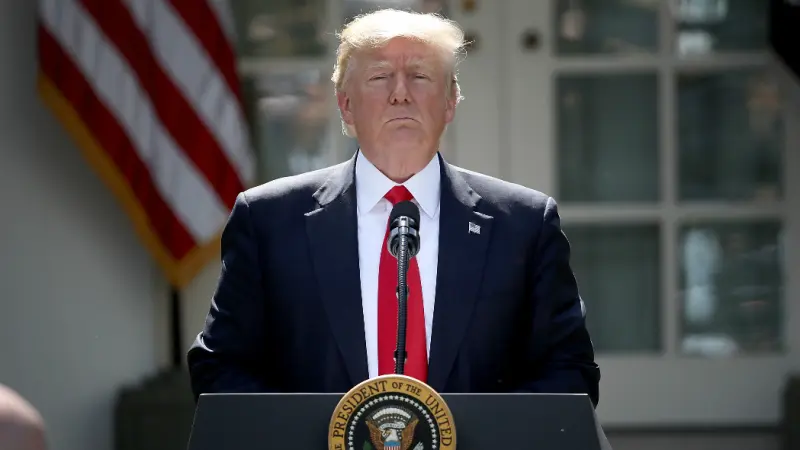
WASHINGTON — President Donald Trump is actively weighing a substantial new arms package for Taiwan, a move signaling continued US commitment to the island's defense following a critical summit aimed at steadying volatile US-China relations. The potential sale, currently under intense review by the National Security Council, comes as the administration navigates the delicate balance between deterring Chinese aggression and fostering pragmatic dialogue with Beijing in the Indo-Pacific region.
The decision point arises weeks after President Trump met with Chinese President Xi Jinping in Singapore, talks that officials described as an effort to de-escalate trade tensions and establish clearer communication channels on regional security matters. Despite the emphasis on stability, the underlying strategic competition between Washington and Beijing remains a defining feature of global geopolitics in 2026.
Sources familiar with the discussions indicate the proposed package could include advanced missile systems, surveillance drones, and upgrades to Taiwan's existing fighter jet fleet. These capabilities are viewed by proponents as crucial for strengthening Taiwan's asymmetric defense strategy against a numerically superior Chinese military.
Defense analysts and congressional hawks argue that the arms sale is a necessary step to uphold the spirit of the Taiwan Relations Act, ensuring Taiwan possesses the means to defend itself. They emphasize that any perceived weakening of US resolve could embolden Beijing and destabilize the Strait further.
However, White House aides acknowledge the inherent risks. Approving a significant arms transfer could be interpreted by Beijing as a provocative act, potentially undermining the recent diplomatic efforts to reduce friction. The administration is meticulously assessing how to bolster Taiwan's self-defense without triggering an escalatory response from mainland China.
China consistently views Taiwan as an integral part of its territory and has repeatedly warned against any foreign interference or arms sales, which it considers violations of its sovereignty. Beijing has historically reacted to such sales with strong diplomatic protests and military exercises in the Taiwan Strait.
For Taipei, the proposed arms package represents a vital lifeline. Taiwan's President Lai Ching-te has repeatedly called for enhanced defense capabilities to safeguard the island's democratic autonomy amidst increasing pressure from Beijing. The acquisitions are seen as essential to deter an invasion and ensure regional peace.
US arms sales to Taiwan have been a longstanding component of American foreign policy, rooted in the 1979 Taiwan Relations Act. This legislative framework commits the United States to helping Taiwan maintain its self-defense capability, even as Washington officially acknowledges the "One China" policy.
Beyond the immediate US-China dynamic, the decision carries weight for broader Indo-Pacific security. Allies like Japan, South Korea, and the Philippines closely watch US actions concerning Taiwan, viewing them as indicators of American commitment to regional stability and deterrence against assertive powers.
President Trump's foreign policy has often prioritized a "peace through strength" approach, combining robust military posturing with direct, often transactional, diplomacy. His consideration of this Taiwan arms package aligns with a strategy that seeks to project strength while simultaneously engaging with adversaries on specific issues.
The proposed arms package also has significant economic implications for both sides. For the United States, it represents continued support for its defense industry. For Taiwan, it entails substantial investment in defense technology, potentially drawing on advanced American innovation to counter sophisticated threats.
Bipartisan support in the US Congress for Taiwan's defense remains robust. Several influential lawmakers have publicly urged the administration to expedite arms transfers, emphasizing the strategic imperative of deterring any potential aggression against the democratic island. Their voices will undoubtedly factor into the President's ultimate decision.