 Stefani Rindus
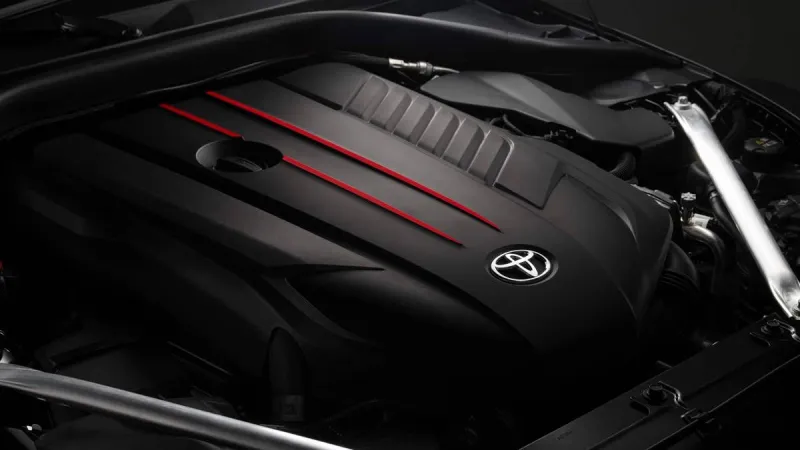
Demand for two of America's most celebrated six-cylinder sports cars, the Toyota Supra and BMW Z4, has completely outstripped supply, with dealerships nationwide reporting depleted inventories for both models. This swift market absorption underscores the enduring appeal of these performance machines, despite their shared platform sparking debate among enthusiasts since their introduction.
The collaboration between Japanese automotive giant Toyota and German luxury marque BMW resulted in a distinct yet mechanically intertwined duo. The A90 generation Toyota Supra, revived after a significant hiatus, shares its core architecture and powertrain with the third-generation BMW Z4 (G29) roadster. This partnership aimed to combine BMWs engineering prowess with Toyotas sports car heritage, a concept that initially drew both admiration and criticism from purists.
Despite initial reservations from segments of the enthusiast community regarding the joint development, both vehicles quickly carved out a significant niche. Early skepticism often focused on the lack of a distinct Toyota engine for the Supra, yet the performance delivered by BMWs acclaimed B58 inline-six engine ultimately won over many critics and buyers.
The heart of these popular vehicles is the turbocharged 3.0-liter inline-six engine, producing robust horsepower and torque figures that translate into exhilarating acceleration and dynamic driving experiences. The Supra, a fixed-roof coupe, offers a focused, track-ready feel, while the Z4, with its retractable soft top, emphasizes open-air touring and a more refined grand touring character. Both uphold the legacy of their respective brands in the performance segment.
Toyota's decision to resurrect the Supra nameplate came with immense pressure, given the legendary status of its predecessors, particularly the A80 generation. The A90 was designed to be a driver's car, delivering precise handling and a direct connection to the road, attributes that resonate deeply with sports car aficionados. Its aggressive styling and balanced chassis contributed significantly to its appeal.
BMW, for its part, positioned the Z4 as a premium roadster, offering a blend of sporty performance and luxury. The Z4 maintains BMW's signature driving dynamics, providing a responsive and engaging experience, complemented by a sophisticated interior and cutting-edge technology. The appeal of its classic roadster proportions combined with modern engineering proved compelling.
This rapid sell-out occurs within a broader automotive landscape increasingly dominated by electric vehicles and sport utility vehicles. The strong demand for these internal combustion engine (ICE) focused sports cars highlights a persistent consumer appetite for traditional driving thrills and the auditory experience of a potent six-cylinder engine, a trend explored further in discussions surrounding the future of performance cars, such as Kia's Electric Future Unveiled.
Automotive dealers across the United States confirm that units were often sold before even arriving on showroom floors, or spent minimal time displayed. Many sales were driven by pre-orders or direct allocations to eager customers on waiting lists, underscoring the vehicles status as highly desirable commodities.
The scarcity created by depleted inventories is also likely to influence the secondary market. Experts anticipate that resale values for both the Supra and Z4 could firm up, potentially even seeing modest premiums in regions with exceptionally high demand. This phenomenon is not uncommon for limited-production or highly sought-after performance models.
Looking ahead, the question remains whether Toyota and BMW will adjust production to meet this sustained demand or if this sell-out signals the natural conclusion for certain ICE models as manufacturers pivot towards electrification. The industry is in a transformative period, making the future of such purebred sports cars a topic of ongoing speculation.
The unwavering popularity of these six-cylinder sports cars serves as a powerful testament to the enduring allure of passionate driving. In an era of autonomous features and digital interfaces, the tactile feedback, responsive power, and visceral connection offered by the Supra and Z4 continue to captivate a dedicated segment of the American car-buying public.