 Debby Wijaya
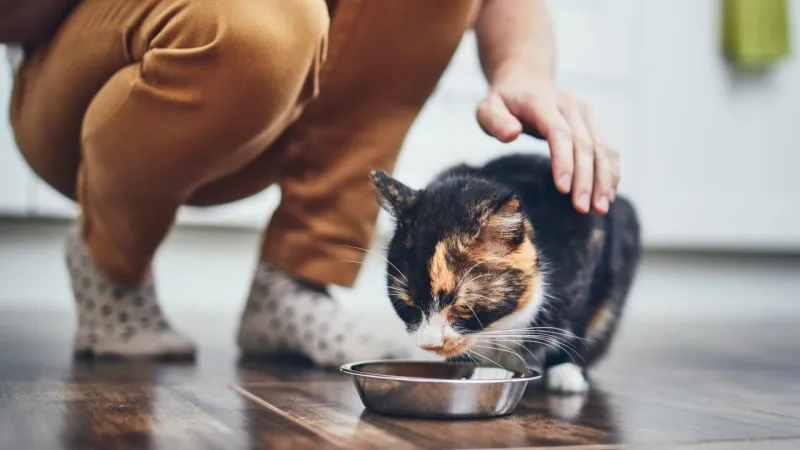
The global pet food industry is experiencing an unprecedented boom, propelled by evolving consumer demands and scientific advancements that are reshaping the market. This surge, observed worldwide, introduces ten transformative trends, ranging from specialized longevity feeding to ancestral diets, all aimed at enhancing pet health and well-being.
Market analysts confirm the sector's robust growth, attributing it to the increasing humanization of pets and a heightened focus among owners on their companions nutritional needs. Pet owners now invest significantly more in high-quality food options, mirroring their own dietary considerations.
Among these emergent trends, longevity feeding stands out. This approach focuses on formulations designed to extend a pet's healthy lifespan, incorporating ingredients known for their anti-aging and disease-preventing properties. Research in veterinary science increasingly supports tailored diets for age-related health.
Concurrently, the ancestral diet movement gains traction. This trend advocates for pet foods that closely mimic the natural diets of wild canids and felines, typically emphasizing high protein content from diverse meat sources, minimal grains, and natural ingredients. It reflects a growing desire for more natural and less processed options.
Personalized pet nutrition represents another significant shift. Companies now offer custom meal plans based on a pet's breed, age, activity level, and specific health conditions. This bespoke approach leverages data and technology to create highly targeted dietary solutions.
The integration of functional ingredients, such as probiotics, prebiotics, omega-3 fatty acids, and joint supplements, is becoming standard. These additives aim to provide benefits beyond basic nutrition, supporting digestive health, immune function, and mobility.
Consumer awareness of environmental impact extends to pet food. The demand for sustainable and ethically sourced ingredients drives innovations like insect-based proteins, upcycled ingredients, and transparent supply chains. Pet food brands face increasing scrutiny over their ecological footprint.
The premiumization of pet food continues unabated. Owners are willing to pay more for products perceived as higher quality, natural, organic, or gourmet. This trend blurs the lines between human and pet food categories, with many brands adopting human-grade ingredient standards.
Related to premiumization, consumers expect full transparency regarding ingredient origins and manufacturing processes. Clean label products, free from artificial colors, flavors, and preservatives, are gaining favor as owners seek to understand exactly what their pets consume.
Veterinary-prescribed diets are evolving, moving beyond simple therapeutic formulas to include advanced nutritional support for a wider range of medical conditions. These specialized foods are developed with clinical research and often require veterinary recommendation.
The convenience of online shopping and subscription services has revolutionized pet food distribution. Digital platforms offer personalized recommendations, scheduled deliveries, and direct-to-consumer models, making specialized diets more accessible than ever.
While ancestral diets focus on meat, a niche market for plant-based and novel protein pet foods is emerging. Driven by owner dietary choices or pet allergies, these options explore proteins from sources like peas, potatoes, or algae, and unconventional meats like venison or rabbit.
This diversification and growth within the pet food market underscores its significant contribution to the global economy. Investment in research and development, manufacturing, and distribution channels continues to surge, creating jobs and driving innovation across related sectors.
Experts predict continued expansion, with new technologies like AI-driven diagnostics and nutrient delivery systems poised to further personalize pet nutrition. The lines between pet care and human healthcare will likely continue to blur, elevating the status of pets within households.
The pet food industry, once a segment focused purely on sustenance, now stands as a dynamic, science-driven field dedicated to optimizing the health and longevity of companion animals. Its trajectory indicates a sustained period of innovation and consumer-centric growth.