 Robert Andrison
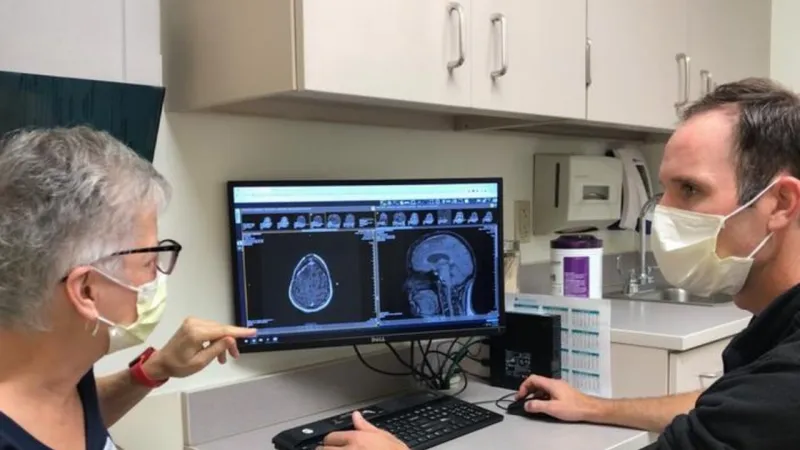
Italian researchers have embarked on a groundbreaking initiative to develop a novel targeted therapy for the most aggressive forms of glioblastoma, a devastating brain cancer. The ambitious project recently secured a coveted European Research Council (ERC) Starting Grant for 2026, signaling a significant European commitment to combating this challenging disease through innovative, domestically developed solutions.
Glioblastoma multiforme, often referred to simply as glioblastoma, represents the most common and aggressive type of primary brain tumor in adults. Its prognosis remains grim, with a median survival rate often less than two years, even with comprehensive treatment regimens involving surgery, radiation, and chemotherapy.
The ERC Starting Grants are among Europes most competitive and prestigious research awards. They are designed to support talented early-career scientists, allowing them to pursue high-risk, high-gain research that pushes the boundaries of scientific knowledge and offers substantial potential impact.
This Italian-led endeavor focuses on a targeted therapy approach, a paradigm shift from conventional, broad-spectrum treatments. Targeted therapies aim to specifically identify and attack cancer cells based on their unique molecular characteristics, thereby minimizing damage to healthy tissue and potentially reducing severe side effects.
The selection by the ERC underscores the growing recognition of Italys scientific prowess in biomedical research, particularly in oncology. This funding will empower a team of dedicated scientists to delve deeper into the intricate biological mechanisms that drive glioblastoma progression and resistance.
The proposed therapy seeks to exploit specific vulnerabilities within the glioblastoma cells themselves. Researchers hypothesize that by precisely interrupting these crucial cellular pathways, they can effectively halt tumor growth and potentially induce regression in even the most treatment-resistant forms of the cancer.
Currently, treatment options for glioblastoma are largely palliative and fraught with challenges. The tumors invasive nature makes complete surgical removal difficult, and the blood-brain barrier often impedes the delivery of therapeutic agents to the cancerous site, rendering many systemic treatments ineffective.
One of the most formidable obstacles in glioblastoma treatment is tumor heterogeneity, where different cells within the same tumor exhibit varying genetic mutations. This diversity allows some cells to evade therapy, leading to recurrence and making a definitive cure elusive.
This new project promises to unravel more of these complexities. By focusing on highly specific targets, the Italian research team aims to overcome some of the intrinsic resistance mechanisms that have historically rendered glioblastoma so intractable.
The ERC grant provides not only financial support but also significant validation for the innovative methodologies and scientific hypotheses put forth by the Italian investigators. It positions their work at the forefront of global efforts to develop advanced neuro-oncology treatments.
The long-term vision for this targeted therapy involves extensive preclinical studies, followed by rigorous clinical trials. If successful, this research could significantly alter the therapeutic landscape for glioblastoma patients, offering a much-needed beacon of hope where few currently exist.
The collaborative spirit fostered by European funding initiatives like the ERC is vital for tackling such complex diseases. It ensures that the brightest minds across the continent can unite their expertise and resources to address global health challenges effectively.
Beyond glioblastoma, the insights gained from this project could have broader implications for other aggressive brain tumors and even other forms of cancer, advancing the field of precision medicine significantly. The emphasis on molecular targeting represents a frontier in modern cancer therapy.
Public investment in fundamental research remains critical for driving such transformative medical innovations. Without the support of bodies like the European Research Council, ambitious projects aimed at curing devastating diseases like glioblastoma would struggle to secure the necessary resources.
As the project moves forward into 2026 and beyond, the scientific community and patient advocacy groups will closely watch its progress, anticipating the potential for a breakthrough that could profoundly impact the lives of countless individuals and their families grappling with this formidable diagnosis.