Gabriella
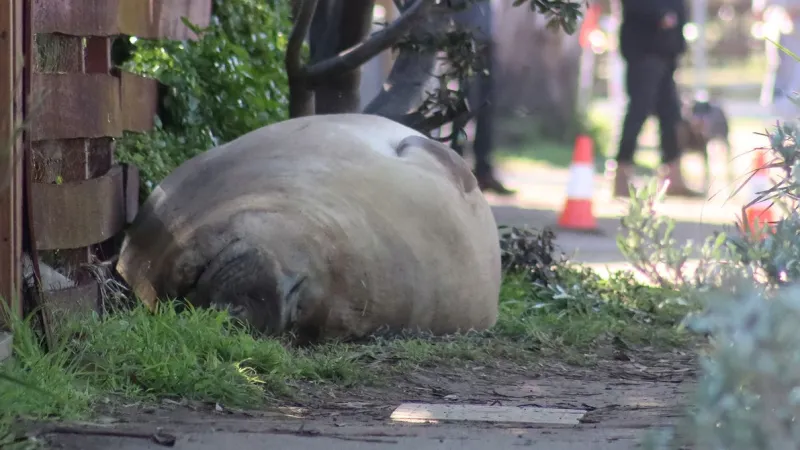
HOBART, Tasmania — Australian authorities have introduced a comprehensive 27-page strategy aimed at mitigating the disruptive behavior of Neil the seal, a viral marine mammal renowned for his frequent and often chaotic appearances ashore. The newly outlined plan, developed in response to the charismatic pinniped's growing impact on coastal communities, employs tactics such as “hazing” and “seal enrichment” to manage his interactions with humans and property.
Neil, an elephant seal weighing nearly 1,300 pounds, has garnered international attention through social media videos showcasing his adventures, which often include blocking roads, lounging on public property, and occasionally damaging vehicles. While his antics entertain millions online, his presence poses significant logistical challenges and potential safety risks for residents and visitors in Tasmania.
The meticulously detailed document provides operational guidelines for wildlife officers, local councils, and the public on how to respond to Neil's terrestrial excursions. It acknowledges the complexity of managing a popular wild animal whose fame has inadvertently contributed to human-wildlife conflict.
Central to the strategy is the concept of hazing, which involves using non-harmful deterrents to encourage Neil to return to the ocean or stay within designated natural areas. These methods may include noise, visual distractions, or gentle physical redirection, all designed to create an unpleasant but non-injurious experience for the animal when he ventures too far into human spaces.
Complementing hazing is the provision for seal enrichment, a proactive approach focused on improving Neil's welfare by offering stimulating activities or objects in appropriate environments. This could involve providing natural elements for play or exploration in secluded coastal zones, aiming to reduce his perceived need to seek stimulation in urban settings.
The overarching goal is to foster a sustainable coexistence between the community and Neil, ensuring public safety while safeguarding the welfare of the protected marine mammal. Experts emphasize that the plan prioritizes Neil's long-term health and natural behaviors, moving beyond merely reactive interventions.
Wildlife biologists consulted for the plan underscored the importance of early intervention. "Our aim is to modify Neil's behavior through consistent, predictable responses," stated a spokesperson for the Tasmanian Parks and Wildlife Service, who requested anonymity to discuss operational details. "The document provides a framework to minimize escalation and prevent situations that could be detrimental to Neil or the public."
The challenge lies in managing a wild animal that has become a local celebrity. Public affection for Neil often complicates enforcement efforts, as onlookers may inadvertently encourage his land-based activities or interfere with official attempts to guide him. The plan includes specific recommendations for public education campaigns to inform citizens about appropriate behavior around wild seals.
Developing the 27-page guideline involved collaboration among marine conservationists, veterinarians, and government agencies. It reflects a growing global recognition of the need for nuanced strategies when iconic wildlife intersects with human development.
Critics of such interventions sometimes raise concerns about interfering with natural animal behavior. However, proponents argue that when human activities profoundly impact an animal's environment and behavior, responsible management becomes an ethical imperative to prevent greater harm, such as injury to the animal or increased human-wildlife aggression.
The framework also outlines protocols for emergency situations, including scenarios where Neil might be injured or trapped. This ensures a coordinated and humane response, leveraging the expertise of specialized rescue teams.
This proactive approach aims to set a precedent for managing other habituated or disruptive wildlife species across Australia, highlighting a shift from reactive measures to comprehensive, welfare-focused planning. The success of Tasmania's strategy for Neil the seal will provide valuable lessons for future conservation efforts.
Ultimately, the document serves as a testament to the complex relationship between humans and the natural world, striving for harmony even with the most boisterous of coastal residents. The ongoing implementation will require patience, consistent effort, and community cooperation to achieve its ambitious objectives.