 Edward DP Situmorang
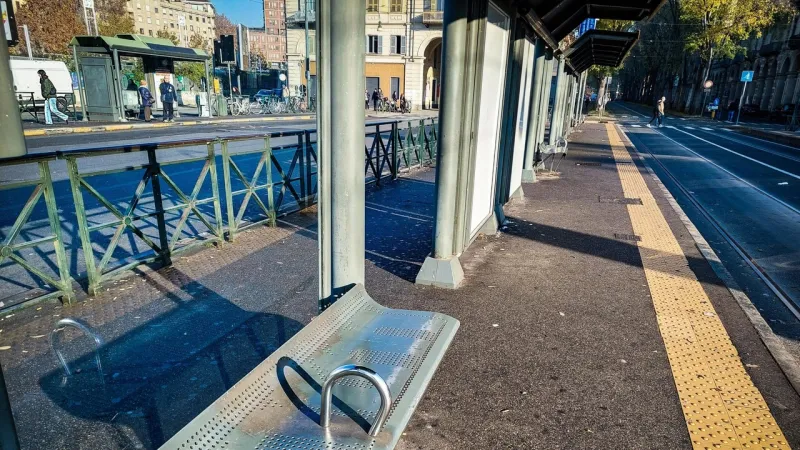
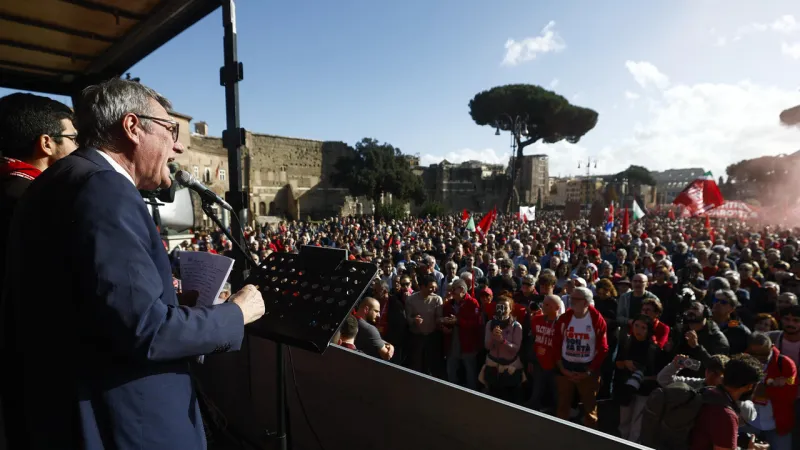
ROME – Italy is grappling with a significant nationwide strike today, orchestrated by major labor confederations CGIL, Cobas, and various student unions, which has brought widespread disruption to public services and triggered demonstrations in over 100 cities across the country. The concerted action aims to press demands on various socio-economic issues, marking a challenging day for commuters and educational institutions.
The general strike specifically targets essential sectors including schools, public transportation, and other public services. Educational facilities nationwide have reported significant closures and reduced staffing, impacting millions of students and their families. Many parents found themselves scrambling for alternative childcare arrangements as classrooms remained empty.
Urban and intercity bus services experienced severe interruptions from the early morning hours, leaving commuters stranded and forcing many to seek alternative travel methods. Cities such as Milan, Naples, and Turin reported notable reductions in public transport frequency, exacerbating rush hour congestion.
While the broader public transport network faces extensive disruption, air travel remains largely unaffected by the strike action. Major Italian airports are operating as scheduled, providing a crucial exception to the widespread paralysis. This exemption offers some relief for international and domestic travelers.
Train services, however, are subject to a nuanced schedule of disruption. While daytime train travel proceeds mostly as normal, significant cancellations and delays are anticipated from the evening onwards. Passengers planning rail journeys later in the day have been advised to check updated schedules and prepare for potential inconveniences.
The scale of the protests underscores deep-seated discontent among various segments of Italian society. Street demonstrations, characterized by banners and chants, have commenced in major urban centers and smaller towns alike. Organizers estimate participation in these rallies to be in the tens of thousands, highlighting the unions ability to mobilize a substantial base.
CGIL, Italy's largest trade union confederation, along with the more radical Cobas unions, have been vocal in their criticisms of government policies concerning labor rights, economic austerity measures, and educational funding. This nationwide strike represents a forceful statement from these organizations, seeking to influence policy direction.
Student unions have joined the general strike, amplifying calls for increased investment in public education, improved working conditions for future generations, and more robust social protections. Their participation adds another layer of public pressure to the ongoing discourse.
The government has yet to issue a comprehensive response to the strikes magnitude, but public dialogue is expected to intensify as the day progresses. Previous labor actions have often led to negotiations between union representatives and government officials, though outcomes vary significantly.
This coordinated industrial action mirrors similar labor disputes seen across Europe and beyond, where workers and unions have increasingly voiced concerns over economic stability and social equity. For instance, recent reports detailed how Volkswagen Demands Ignite Fierce Union Backlash Over Austerity, illustrating a broader trend of heightened union activity.
The long-term economic impact of such a comprehensive nationwide strike could be substantial, affecting productivity, consumer confidence, and government revenues. Analysts will closely monitor the duration and intensity of the protests, as well as any concessions or negotiations that may follow.
As the demonstrations continue throughout the day, authorities are maintaining a visible presence to ensure public order. Despite the widespread disruption, early reports suggest that the protests have remained largely peaceful, aligning with the unions stated commitment to non-violence.
The events today serve as a powerful reminder of organized labor's enduring influence in shaping public policy and highlighting societal grievances within democratic frameworks. The general strike reinforces the ability of collective action to bring national attention to critical issues.
The immediate aftermath will likely see a push for dialogue between the government and union leaders to mitigate further disruptions. The effectiveness of this nationwide strike in achieving its objectives will depend on sustained pressure and the government's willingness to engage in substantive discussions.
It will be crucial for both sides to navigate these complex negotiations carefully to avoid prolonged industrial unrest. The stakes are high for Italy's economic recovery and social cohesion.