 Angela Stefani
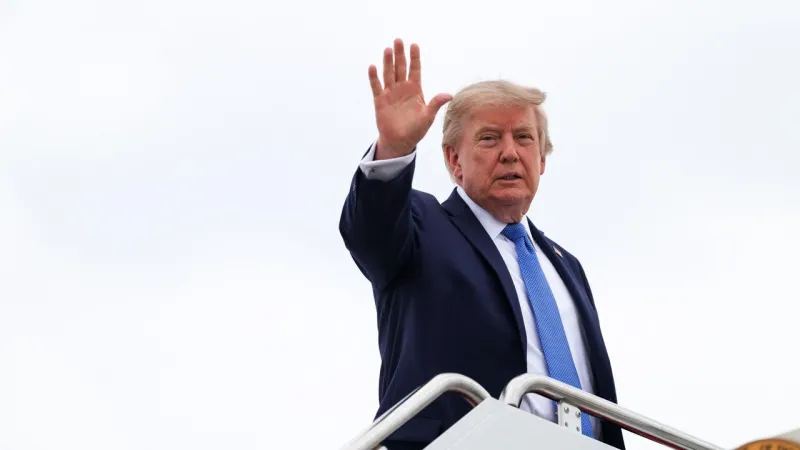
President Donald Trump announced his administration's intent to "isolate Iran from the rest of the world" through an unprecedented regime of economic sanctions. This forceful declaration arrives as a critical 60-day diplomatic truce with the nation is poised to expire on Monday, significantly escalating concerns over mounting geopolitical tensions.
Speaking on the matter, President Trump underscored a decisive shift in policy aimed at breaking the perceived stalemate in US-Iran relations. The move signals a robust push to exert maximum economic pressure on Tehran, a strategy that officials hope will compel a change in the Islamic Republic's regional and nuclear ambitions.
Further solidifying the administration's resolve, a senior official, identified as Bessent, affirmed that the upcoming measures would constitute "economic sanctions never before seen." This pronouncement suggests a comprehensive package of punitive actions designed to severely restrict Iran's financial lifelines and international trade.
The impending expiration of the 60-day truce marks a pivotal juncture. Originally established to foster a period of de-escalation or negotiation, the truce appears to have yielded little in terms of a lasting resolution, leading to the current aggressive stance from Washington.
Analysts are closely watching the situation, predicting that a complete economic isolation could trigger severe repercussions for Iran's already struggling economy. Such extensive sanctions would likely target critical sectors including oil exports, banking, and strategic industries, further impacting the daily lives of Iranian citizens.
The global community remains divided on the efficacy and potential consequences of such a stringent policy. While some allies may align with the US strategy, others express apprehension over the risk of further destabilizing the volatile Middle East region and potentially provoking retaliatory actions from Tehran.
President Trump has consistently advocated for a more assertive posture against nations deemed hostile to US interests. His current approach toward Iran reflects a long-standing commitment to recalibrating international agreements and applying pressure to achieve specific policy objectives.
Iran, for its part, has historically denounced US sanctions as acts of economic warfare and has vowed to resist external pressures. The leadership in Tehran is expected to issue a strong response following Monday's deadline, potentially exploring diplomatic avenues with other world powers or escalating its own regional activities.
This renewed push for isolation underscores the complexities of international diplomacy and the challenges of de-escalation in protracted disputes. The coming days will be crucial in determining the immediate trajectory of US-Iran relations and the broader stability of the Middle East.
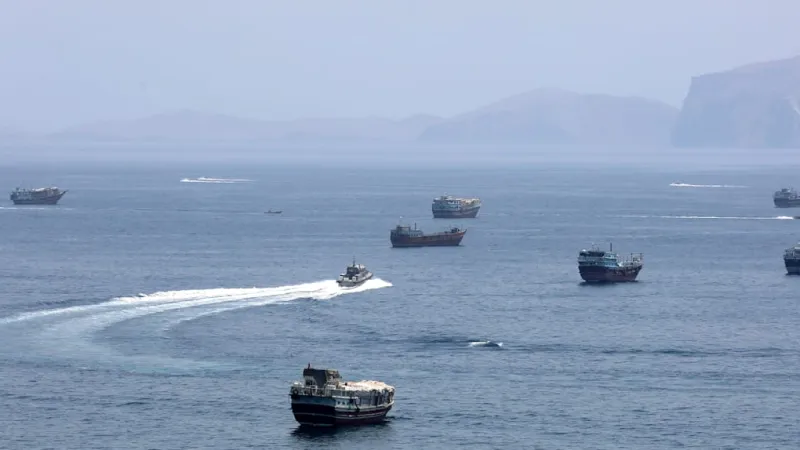
The global energy markets are also on high alert, anticipating potential disruptions should Iranian oil exports be significantly curtailed or if tensions in key shipping lanes intensify. Observers widely expect an immediate impact on crude prices and overall market volatility.
As the Monday deadline approaches, diplomatic channels, however strained, are likely to witness a flurry of last-minute efforts to avert a full-blown confrontation. Nevertheless, the prevailing rhetoric from Washington suggests a firm commitment to the proposed strategy of unprecedented isolation.