 Angel Doris
CATANIA, Sicily – A hiker perished late yesterday evening after being struck by lightning on the slopes of Mount Etna, Europes most active volcano. The incident occurred in a prohibited zone during a violent thunderstorm, highlighting the extreme dangers of disregarding safety regulations on the dynamic natural landmark.
The victim, whose identity has not yet been released, was reportedly trekking through an area explicitly marked as off-limits to the public when adverse weather conditions rapidly developed. Emergency services responded swiftly to the distress call, but the individuals injuries proved fatal despite immediate medical attention.
Authorities have initiated an investigation into the circumstances surrounding the mans presence in the restricted area. Access to certain parts of Mount Etna is routinely limited due to seismic activity, volcanic gas emissions, and unpredictable weather changes, all of which pose significant risks to visitors.
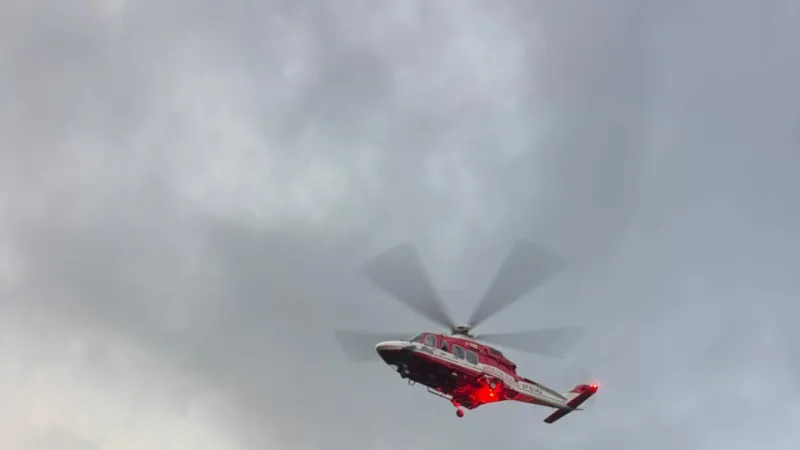
Local rescue teams, including elements of the Alpine and Speleological Rescue Service of Sicily, were deployed to the challenging terrain to retrieve the victim. The operation was hampered by the ongoing storm and the difficult volcanic landscape, underscoring the hazards faced by both hikers and rescuers.
This tragic event serves as a stark reminder of the inherent perils associated with exploring natural wonders without proper adherence to established safety protocols. Volcanic environments, even during periods of relative calm, can become treacherous with little warning, especially when combined with meteorological phenomena like thunderstorms.
Officials frequently issue warnings about the necessity of consulting weather forecasts and observing posted signage before ascending the volcano. Traversing restricted zones not only endangers the individual but also puts the lives of rescue personnel at undue risk. The unpredictable nature of lightning strikes further amplifies these dangers.
The incident on Mount Etna echoes other recent challenges faced by mountain rescue services, such as when Spanish Tourists Rescued from Como Mountains Amidst Treacherous Storm illustrates the global prevalence of such dangerous situations. These events consistently underscore the critical importance of preparedness and caution in alpine environments.
Mount Etna has a long history of both captivating tourists and challenging scientists with its continuous eruptive activity. While its majestic presence is undeniable, its power demands respect and strict adherence to guidance provided by park authorities and volcanologists.
Regional civil protection agencies regularly monitor the volcanoes activity and issue alerts, which include designating safe and unsafe zones. These measures are designed to prevent fatalities and injuries, but their effectiveness relies heavily on public cooperation and compliance.
The local community and emergency responders extend their condolences to the family of the deceased. This somber incident will likely prompt renewed calls for stricter enforcement of access regulations and increased public awareness campaigns regarding the dangers of unauthorized excursions on active volcanoes.
Safety experts stress that even experienced hikers can be caught off guard by rapid weather shifts or sudden volcanic phenomena. They advise against solitary excursions in dangerous areas and recommend hiring certified guides who are familiar with the specific risks of the terrain.
This fatality underscores the often-unseen hazards that lurk in seemingly picturesque landscapes. The allure of adventure must always be balanced with a profound respect for natures formidable power and the wisdom embedded in official warnings.