 Edward DP Situmorang
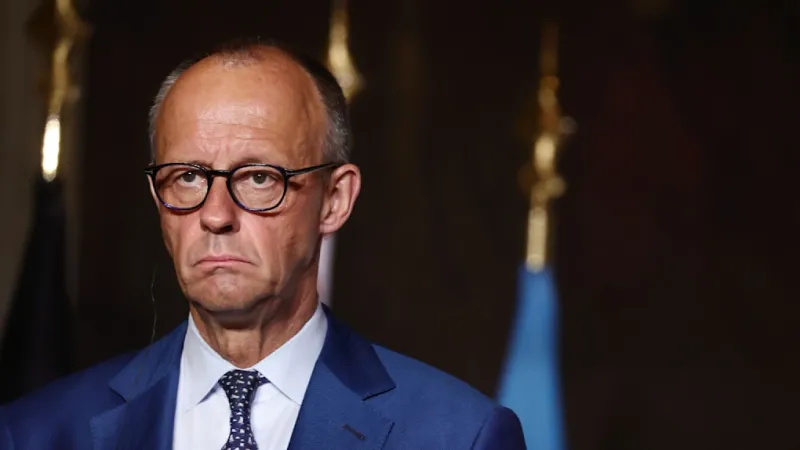
Berlin — A substantial four out of five German citizens express dissatisfaction with the performance of their current government, according to a recent Forsa poll. This widespread discontent notably impacts the approval ratings of Chancellor Merz and Vice Chancellor Lars Klingbeil, while simultaneously buoying the standing of the Green Party.
The findings underscore a significant shift in public sentiment across Germany, indicating a challenging political landscape for the ruling coalition. The comprehensive survey conducted by Forsa highlights a profound lack of confidence in the nation's leadership and its policy direction.
Chancellor Merz, despite leading the country's government, faces particularly harsh criticism. The Forsa data reveals that even among his own party's supporters, the Christian Democratic Union (CDU), half of respondents register their dissatisfaction with the Chancellor's work. This intra-party disapproval is a stark indicator of internal discord and a broader crisis of trust.
Vice Chancellor Lars Klingbeil, a prominent figure in the coalition, also fares poorly in the latest polling. His performance, much like that of Chancellor Merz, fails to resonate positively with a significant majority of the German electorate, suggesting a systemic challenge within the executive branch.
The widespread public disappointment with the government's top leaders creates a vacuum in political approval, which the Green Party appears poised to fill. According to Forsa, the Greens are currently the primary beneficiaries of this discontent, experiencing a notable surge in voter approval and public favor.
Political analysts suggest that the prevailing economic conditions, coupled with public perception of the government's handling of various domestic and international crises, contribute significantly to this widespread disapproval. Factors such as inflation, energy policy, and social welfare programs are often cited as areas of public concern.
Such a pronounced level of governmental dissatisfaction is not unprecedented in German political history, but the current figures represent a substantial challenge to the stability and effectiveness of the coalition. Historically, periods of high public discontent have often preceded significant electoral shifts.
While the Green Party capitalizes on the government's struggles, other opposition parties may also seek to leverage the current climate. However, some, like the AfD, have faced their own internal challenges, as evidenced by recent reports such as the “AfD NRW Turmoil: National Leadership Intervenes Amidst Election List Row,” which can hinder their ability to fully exploit the broader political discontent.
The Forsa poll, known for its rigorous methodology and accuracy in tracking German public opinion, provides a credible snapshot of the current political mood. Its findings offer a critical perspective for policymakers and parties as they navigate the remainder of their term and prepare for future electoral contests.
For the Greens, this growing approval signals an opportunity to solidify their policy positions and expand their voter base. Their platform, often centered on environmental protection, social justice, and forward-looking economic policies, appears to be resonating with a populace yearning for change.
Looking ahead, the German government faces the arduous task of regaining public trust and demonstrating its capacity to address the nation's pressing challenges. The path to improved approval ratings will likely necessitate a fundamental reassessment of current strategies and a renewed focus on delivering tangible results for the populace.
The implications of such pervasive dissatisfaction extend beyond domestic politics, potentially influencing Germany's standing and influence within the European Union. A strong and stable German government is often viewed as a cornerstone of EU cohesion and policy initiatives.