Angel Doris
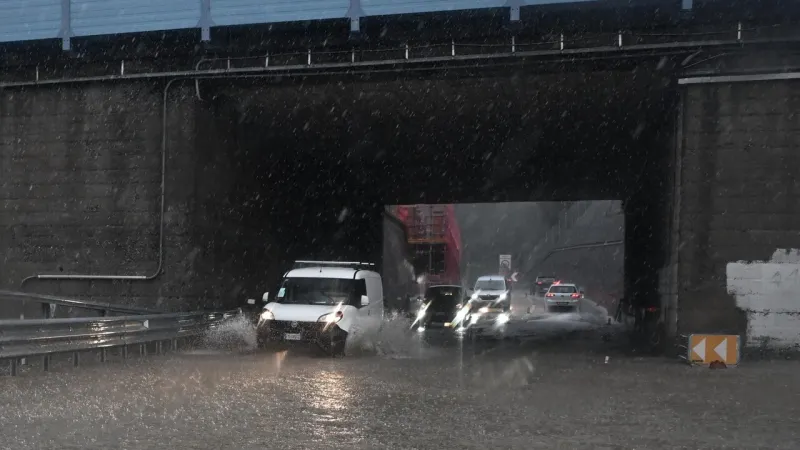
Italian civil protection authorities have issued a red alert for severe hydrogeological risk targeting Northwest Tuscany, effective immediately, while simultaneously placing the entire region under a yellow code for impending strong thunderstorms. The escalated warning underscores grave concerns regarding potential landslides, flooding, and disruptions as challenging weather systems converge on the northern Italian province.
This highest level of warning, signified by a red code, indicates a critical threat to public safety and infrastructure in areas susceptible to geological instability triggered by heavy rainfall. It mandates heightened vigilance and preparatory actions from local municipalities and residents.
Concurrently, the broader yellow code for strong thunderstorms encompasses all other parts of Tuscany. This lower-tier alert still signifies significant potential for localized flooding, strong winds, and electrical discharges, necessitating caution from the populace.
Italy, particularly its mountainous and coastal regions, is historically vulnerable to hydrogeological phenomena. Decades of urban development, deforestation, and climate change effects have exacerbated the risks, making such alerts increasingly frequent in 2026.
While the official announcement specifies northwest Tuscany, local media reports suggest that provinces like Massa-Carrara, Lucca, and Pisa are likely to face the most immediate and intense impacts from the severe weather. Residents in these areas are advised to adhere strictly to civil protection guidelines.
Authorities urge residents in red alert zones to avoid non-essential travel, secure outdoor objects, and monitor official updates closely. Emergency services are on standby, preparing for potential interventions.
Regional and national civil protection departments are coordinating efforts. Meetings with local prefects and mayors have been convened to ensure robust response strategies are in place, including the potential activation of evacuation plans in high-risk areas.
This current alert echoes previous severe weather events that have caused significant damage and loss of life in Italy. Recent years have seen similar warnings issued across various Italian regions, leading to devastating floods and mudslides.
Scientists frequently link the increasing frequency and intensity of extreme weather events in the Mediterranean basin to global climate change patterns. The localized nature of severe downpours, typical of these alerts, aligns with broader climate projections.
Beyond immediate safety concerns, prolonged periods of severe weather and their aftermath can have substantial economic repercussions, impacting agriculture, tourism, and local businesses in the affected regions.
Tuscany remains a major tourist destination. Visitors currently in or planning to travel to the region are advised to consult local authorities and accommodation providers regarding safety precautions and potential disruptions.
The safety of our citizens remains paramount, authorities implicitly emphasize, urging adherence to all protocols issued by civil protection agencies.
Meteorological forecasts indicate the challenging conditions are expected to persist for the next 24 to 48 hours, with potential for further escalation or localized shifts in warning levels.
Experts continue to advocate for stronger infrastructure, better land management, and sustainable urban planning to mitigate the long-term effects of hydrogeological instability. This alert serves as another stark reminder of the urgent need for such measures.
As the region braces for the approaching weather, the focus remains firmly on public safety and minimizing potential damage. Authorities continue to monitor the situation hour by hour, ready to adapt their response as circumstances evolve.