Chris Robert
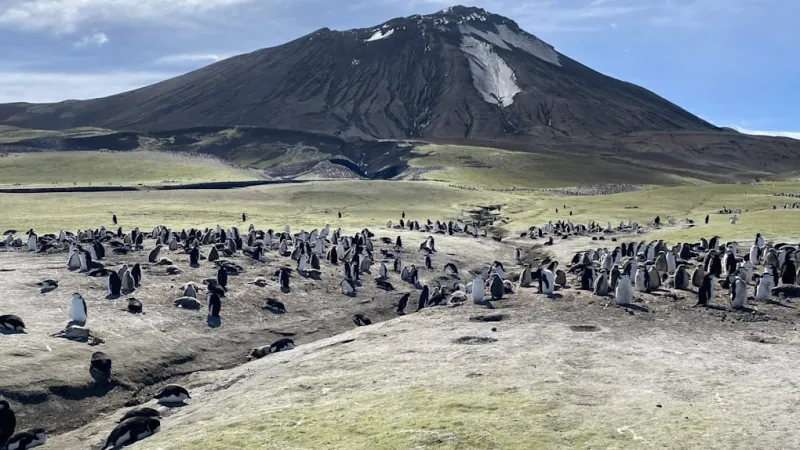
Zavodovski Island, a remote volcanic outpost within the South Sandwich Islands, has witnessed the catastrophic collapse of its chinstrap penguin colony, formerly the largest in the world. Since 2011, the population of Pygoscelis antarcticus has plummeted by an alarming 63 percent, signaling a profound ecological crisis in the Southern Ocean.
Just over a decade ago, in 2011, Zavodovski boasted an unparalleled concentration of chinstrap penguins, with estimates placing the colony in the millions. This remote, ash-covered island served as a critical breeding ground, embodying a vibrant spectacle of Antarctic wildlife.
The dramatic 63 percent reduction in the chinstrap penguin population underscores the severe environmental pressures impacting these iconic Antarctic birds. This steep fall raises significant alarms among conservationists and scientists worldwide.
Chinstrap penguins, easily recognizable by the narrow black band under their chin, are specialist feeders. Their diet primarily consists of krill, a small, shrimp-like crustacean that forms the foundational component of the Antarctic marine food web.
Crucially, while chinstraps face dire circumstances, scientific reports indicate another penguin species inhabiting Zavodovski Island exhibits remarkable resilience, defying the overall dramatic trend. This contrasting dynamic offers valuable, albeit complex, data for researchers studying ecosystem shifts.
Scientists widely hypothesize that declining krill populations are a primary driver of the chinstrap penguin collapse. Krill stocks are highly sensitive to environmental changes, particularly rising ocean temperatures and reduced sea ice extent in the Southern Ocean.
The region surrounding Zavodovski Island is particularly vulnerable to the accelerating effects of climate change, including alterations in ocean currents and the availability of essential food sources. This localized situation reflects a wider, disturbing pattern observed across various polar ecosystems globally.
Ornithologists and marine biologists consistently emphasize the fragility of such specialized diets. Any significant disruption to krill biomass has immediate and profound cascading effects on species like the chinstrap penguin, which lack the dietary flexibility of other predators.
The comparative success of the other, unmentioned penguin species on Zavodovski likely stems from greater dietary adaptability or different foraging ranges, enabling them to better navigate environmental shifts. This anomaly provides a glimmer of hope for certain elements of polar biodiversity.
The alarming data emanating from this once-thriving penguin colony reinforces the urgent need for intensified international conservation efforts and robust climate policies. Protecting vulnerable polar wildlife demands immediate and concerted global action.
Beyond the immediate crisis on Zavodovski, the fate of such a massive penguin colony serves as a powerful and stark indicator of broader ecological health. It highlights the intricate interconnectedness of global ecosystems and the far-reaching consequences of climate change.
Continued long-term monitoring and comprehensive scientific studies are absolutely crucial. These efforts are essential to fully comprehend the underlying mechanisms driving these population dynamics and to develop effective, evidence-based strategies to mitigate further losses among chinstrap penguins and other vulnerable Antarctic species.