 Dodi Irawan

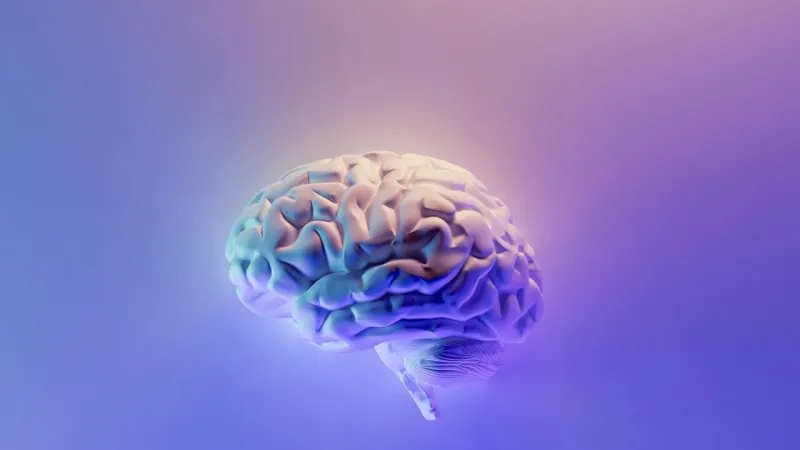
A recent scientific breakthrough has mapped the distinct neural pathways governing spontaneous and voluntary laughter, a revelation poised to significantly advance research into complex neurological conditions such as Alzheimer's disease and schizophrenia. This pivotal discovery, emerging from advanced neuroimaging studies, offers unprecedented insight into the brain's intricate emotional and motor control mechanisms.
Researchers pinpointed that laughter, a seemingly unified human expression, actually bifurcates into two separate neurological origins. Spontaneous laughter, often an involuntary response to humor or joy, arises from subcortical regions associated with emotions and primal instincts. Conversely, voluntary laughter, intentionally produced for social engagement or performance, engages cortical areas linked to motor control and conscious decision-making.
This differentiation carries profound implications for clinical neurology. Conditions like Alzheimer's disease frequently manifest with disturbances in emotional expression and social interaction. By understanding the brain's laughter mapping, clinicians might identify early biomarkers or develop targeted interventions for restoring or improving these vital communicative functions.
In Alzheimer's patients, for instance, a decline in spontaneous emotional responses, including genuine laughter, is often observed. This new research could help delineate whether this decline stems from damage to specific subcortical pathways or from broader cognitive deterioration affecting emotional processing.
Schizophrenia, another complex psychiatric disorder, also presents with altered emotional processing and social deficits. Patients often exhibit flat affect, a reduced intensity of emotional expression, which could be linked to dysfunction within the spontaneous laughter circuitry. Conversely, the capacity for voluntary laughter might provide a window into their preserved cortical function.
Understanding the neural underpinnings of voluntary laughter could also inform therapeutic strategies for individuals with communication disorders or social anxieties. Training individuals to consciously engage the cortical pathways for laughter might enhance their ability to connect with others, improving overall quality of life.
The research methodology likely involved functional magnetic resonance imaging (fMRI) and electroencephalography (EEG), allowing scientists to observe brain activity in real time as participants experienced and produced different forms of laughter. These techniques provide a dynamic view of neural engagement, revealing which areas activate and when.
Further studies will undoubtedly explore the precise neurotransmitter systems involved in these distinct laughter pathways. Such investigations could lead to pharmacological targets for modulating emotional expression, particularly in patients struggling with emotional dysregulation.
This discovery transcends mere academic interest, offering a tangible framework for understanding the profound connection between brain function and human emotion. It highlights the brain's remarkable specialization, even for behaviors that appear seamless on the surface.
The insights gained from this research are expected to fuel a new wave of studies into other complex human behaviors and their neurological bases. By dissecting components of emotion and expression, the scientific community moves closer to unraveling the mysteries of the brain and developing more effective treatments for debilitating neurological and psychiatric conditions.