 Robert Andrison
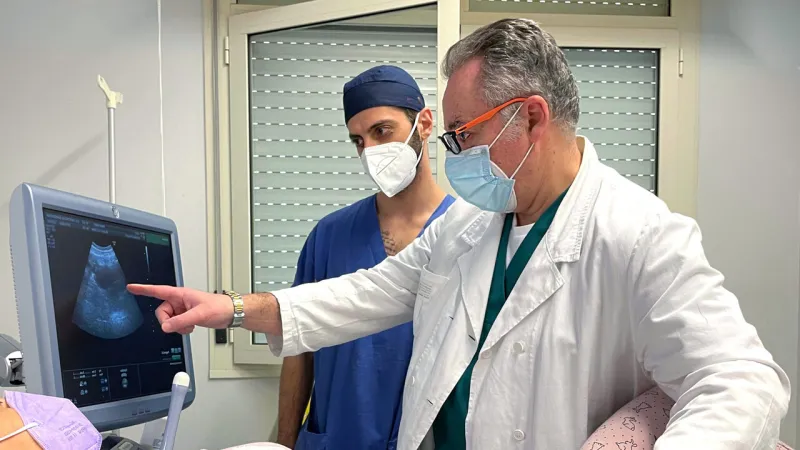
A new survey has brought to light a significant hurdle in women's health: one in three women diagnosed with ovarian cancer experience a diagnostic delay exceeding one year. The findings, stemming from the Insieme di insiemi campaign, underscore critical systemic challenges in the timely identification of this often aggressive malignancy, with 46 percent of respondents reporting delays longer than three months.
The stark statistics reveal an urgent need for enhanced diagnostic protocols and greater awareness regarding ovarian cancer symptoms. These delays are particularly concerning given that early detection dramatically improves prognosis and treatment efficacy for a disease frequently discovered in its advanced stages.
Medical experts consistently emphasize that delayed diagnosis of ovarian cancer can lead to more complex and less effective treatment regimens. When the disease progresses undetected for extended periods, it often metastasizes, making curative interventions substantially more difficult and reducing long-term survival rates.
The Insieme di insiemi campaign, which conducted the revealing survey, aims to shine a spotlight on patient experiences and advocate for improvements in the healthcare system. Their data provides an invaluable snapshot of the real-world obstacles women face when seeking answers for their health concerns, particularly for insidious conditions like ovarian cancer.
Ovarian cancer is notoriously difficult to diagnose early due to its vague and often non-specific symptoms, which can mimic more benign conditions such as irritable bowel syndrome or menstrual discomfort. These subtle indicators contribute significantly to the prolonged diagnostic journey for many women.
Common symptoms can include bloating, pelvic or abdominal pain, difficulty eating, or feeling full quickly, and urinary urgency or frequency. Patients frequently report multiple visits to general practitioners before a specialist referral or advanced imaging leads to an accurate diagnosis. This diagnostic odyssey can be physically and emotionally draining.
Healthcare professionals, particularly primary care physicians, play a pivotal role in recognizing potential warning signs. The survey findings suggest a potential gap in immediate recognition or referral pathways, indicating a need for targeted educational initiatives to improve early suspicion and accelerate diagnostic workups.
While there is currently no universal screening test for ovarian cancer akin to mammograms for breast cancer or Pap tests for cervical cancer, advancements in imaging techniques and biomarker research continue. However, these tools are often employed later in the diagnostic process, after initial symptoms have persisted.
The ramifications of a year-long diagnostic wait period extend directly to treatment outcomes. Patients diagnosed at Stage I or II generally have a significantly higher five-year survival rate compared to those diagnosed at Stage III or IV, where the cancer has spread beyond the ovaries.
Patient advocacy groups are increasingly calling for national strategies to shorten diagnostic timelines for all cancers, but particularly for those with less obvious early symptoms like ovarian cancer. Support networks for women undergoing diagnosis and treatment are also vital components of comprehensive care.
These findings carry significant implications for public health policy. Governments and healthcare bodies must consider allocating resources toward public awareness campaigns, physician training, and the streamlining of referral processes to mitigate these alarming delays.
The issue of diagnostic delays is not isolated to ovarian cancer but is a broader concern within many healthcare systems globally. However, the severity of ovarian cancer and its often-aggressive nature makes the prolonged waiting period particularly critical for patient prognosis.
Continued research into novel biomarkers and more effective screening methods remains a high priority for the scientific community. The goal is to develop tools that can reliably detect ovarian cancer in its earliest, most treatable stages, thereby circumventing the current diagnostic challenges highlighted by the Insieme di insiemi survey.
Ultimately, the survey serves as a potent reminder for both healthcare providers and the public to maintain vigilance regarding persistent, unexplained symptoms. Empowering women with knowledge and advocating for their health remains paramount in the ongoing battle against ovarian cancer.