 Dodi Irawan
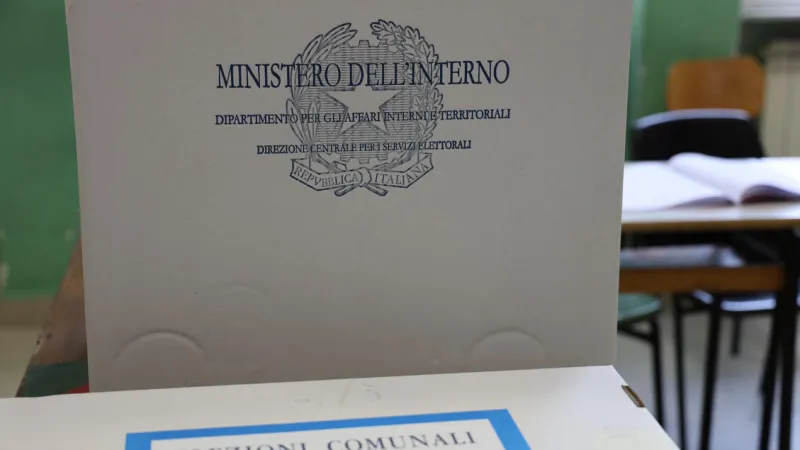
Voters across Italy are preparing to return to the polls as 41 municipalities, including six significant regional capitals, face critical runoff elections following an inconclusive first round of voting. These ballottaggi, mandated when no single candidate secures an outright majority, will determine local leadership and shape the political landscape in communities exceeding 15,000 inhabitants.
The upcoming second-round contests are a fundamental component of Italy's democratic process for local governance. Following initial elections where no mayoral candidate achieved the necessary 50 percent plus one vote, these communities must now make a decisive choice between the top two contenders.
The stakes are particularly high in the six regional capitals. These urban centers often serve as economic and cultural hubs, and their administrative direction can have ripple effects throughout their respective regions. The outcomes here are closely watched by national political analysts.
Italian local elections, or Comunali, frequently act as a barometer for the national mood, reflecting shifts in public sentiment that may not be immediately apparent at the parliamentary level. The results of these runoffs could offer insights into the electorate's current priorities and allegiances.
While the first round often sees a multitude of candidates and parties vying for power, the runoff simplifies the choice, forcing voters to align with one of two distinct political projects. This second phase typically intensifies campaigning, with candidates making final, direct appeals to undecided voters.
The 41 municipalities undergoing these runoffs represent a diverse cross-section of Italian society, from northern industrial towns to southern agricultural centers. Each election is unique, shaped by local issues, personalities, and the intricate dynamics of communal politics.
Mayors and city councils play a pivotal role in the daily lives of Italian citizens, overseeing essential services such as urban planning, public transportation, waste management, and local economic development. Their decisions directly impact residents and businesses.
The importance of stable local administration cannot be overstated. Effective municipal governance is crucial for maintaining public services, fostering community cohesion, and implementing regional and national policies. For instance, discussions around local infrastructure and community services often resonate with broader government initiatives, such as those championed by figures like Health Minister Orazio Schillaci, who has emphasized the need for consensus on community homes.
Historically, Italy's electoral system for local bodies has favored runoffs to ensure strong mandates for elected officials. This mechanism prevents minority mayors from leading municipalities, aiming for greater stability and clearer governance agendas.
Political parties at the national level are keenly observing these contests. Local election results can influence party strategies, leadership contests, and potential coalition formations ahead of future general elections, making them more than just local affairs.
For citizens, participating in these runoffs is a fundamental exercise of their democratic rights and responsibilities. The power to shape their immediate environment rests in their hands, influencing everything from local taxes to cultural initiatives.
Turnout in runoff elections can sometimes differ from the first round, often reflecting the perceived stakes and the success of final mobilization efforts by the remaining candidates. Parties are expected to invest significant resources to ensure their supporters cast ballots.
The economic implications of these elections are also substantial. Local administrations are key players in attracting investment, managing municipal budgets, and fostering environments conducive to economic growth and employment within their territories.
As the nation navigates complex socio-economic challenges in 2026, including economic recovery and infrastructure modernization, the leadership chosen in these 41 municipalities will be critical in driving local resilience and progress.
The outcomes will ultimately define the administrative direction for these communities for years to come. The electorate's decisions will set the tone for local policies and potentially influence the broader political discourse throughout Italy.