Chandra Wijayanto
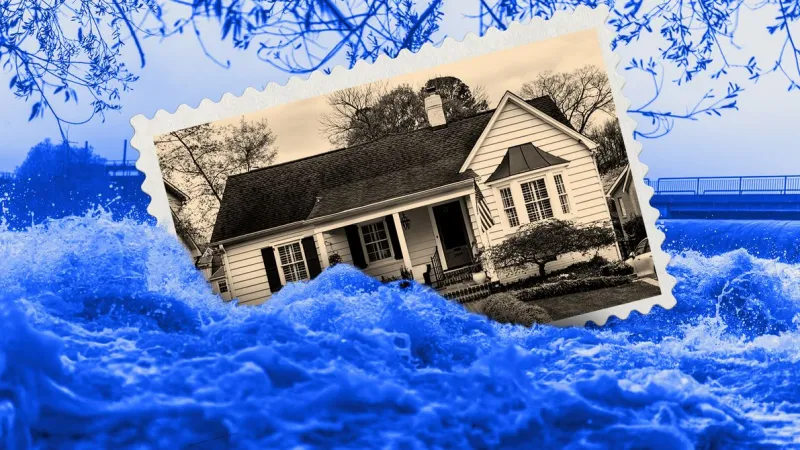
Washington, D.C. The long-held promise of homeownership, traditionally regarded as a steadfast avenue to wealth accumulation for American families, is increasingly viewed as a perilous trap by countless citizens nationwide. This unsettling shift is driven by the relentless surge in climate-related disasters, which are systematically eroding property values, inflating insurance premiums, and inflicting emotional distress across vulnerable communities in 2026.
Across vast swathes of the United States, from coastal communities bracing for fiercer hurricanes to arid zones battling unprecedented wildfires, homeowners find their most significant investment imperiled. The financial ramifications extend far beyond immediate repair costs, encompassing soaring premiums for property and flood insurance that render homeownership unsustainable for many middle-class families.
The Gulf Coast, perennially threatened by powerful hurricanes, exemplifies this crisis. Homes in states like Louisiana and Florida, once considered prime real estate, now struggle under the weight of escalating risks. Insurers, facing mounting losses, are either withdrawing from markets or imposing exorbitant rates, effectively creating a two-tiered system where only the affluent can afford adequate protection.
Similarly, in the Western states, communities grapple with the devastations of intensifying wildfires and prolonged droughts. Entire neighborhoods have been razed to the ground, leaving residents not only homeless but often facing insurmountable debt on properties that no longer exist or are deemed uninsurable.
This growing predicament directly challenges the bedrock of the American Dream, which posits that owning a home is a fundamental step toward financial security and intergenerational prosperity. For many, this dream has devolved into a nightmare of debt, displacement, and diminished equity, trapping them in homes they cannot afford to maintain or sell.
Experts in environmental economics warn that the current trajectory is unsustainable. Dr. Eleanor Vance, a leading researcher at the National Climate Resilience Institute, stated, "We are witnessing a fundamental recalibration of risk in the housing market. The actuarial models simply cannot keep pace with the severity and frequency of these climate events. Homeowners are caught in the crossfire."
The federal government, under President Donald Trump, faces mounting pressure to address this burgeoning housing crisis. Discussions around bolstering national flood insurance programs, investing in resilient infrastructure, and exploring managed retreat strategies are gaining traction, yet concrete, nationwide solutions remain elusive.
Homeowners associations and local municipalities are also struggling to implement effective mitigation strategies. From building seawalls to creating defensible spaces against wildfires, the scale of the challenge often overwhelms local budgets and capabilities, necessitating broader federal intervention.
The demographic impact of these changes is particularly stark. Lower and middle-income families, often lacking the financial reserves to absorb repeated shocks, are disproportionately affected. Their homes, frequently their sole significant asset, represent decades of savings and labor now jeopardized by environmental instability.
Furthermore, the property tax base in vulnerable regions is shrinking as values decline and residents depart, placing immense strain on local services, including schools and emergency responders. This creates a cascading effect that undermines community stability and economic vitality.
As the climate crisis intensifies, the United States must confront the uncomfortable truth that the traditional model of residential development and homeownership is ill-equipped for the realities of a changing planet. A national conversation, transcending political divides, is urgently needed to redefine the pathways to housing security and wealth building in this new era.
The challenges demand innovative policy solutions that integrate climate resilience into urban planning, incentivizing sustainable construction, and ensuring equitable access to resources for communities on the front lines of climate change. Failure to adapt risks undermining a core pillar of American prosperity and perpetuating a cycle of disaster and recovery.