 Debby Wijaya
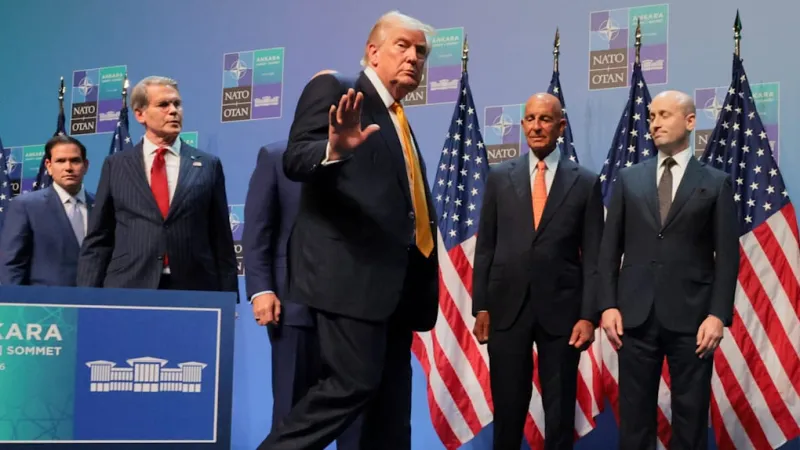
RIYADH – Houthi rebels initiated a series of missile attacks against key Saudi oil installations this week, dramatically escalating regional tensions. The strikes occurred amidst reports of a temporary pause in retaliatory air raids targeting Iran, diverting the focus of Middle Eastern instability. President Donald Trump, addressing the volatile developments from Washington, indicated that he has “not yet decided what to do,” signaling a cautious approach to the renewed confrontation between Saudi Arabia and the Yemen-based Houthi movement.
This latest aggression by the Houthis, who control significant swathes of northern Yemen, marks a dangerous resurgence in their long-standing conflict with the Saudi-led coalition. The targeting of critical energy infrastructure underscores the rebels’ capability to disrupt global oil supplies and inject profound uncertainty into an already fragile geopolitical landscape.
Preliminary reports from Saudi state media confirmed that several ballistic missiles and drones were intercepted, though some reportedly reached their intended targets. Specific details regarding the extent of the damage to the oil facilities, which are vital for the world's energy markets, remain scarce as authorities conduct damage assessments. However, initial indications suggest localized impacts rather than widespread disruption.
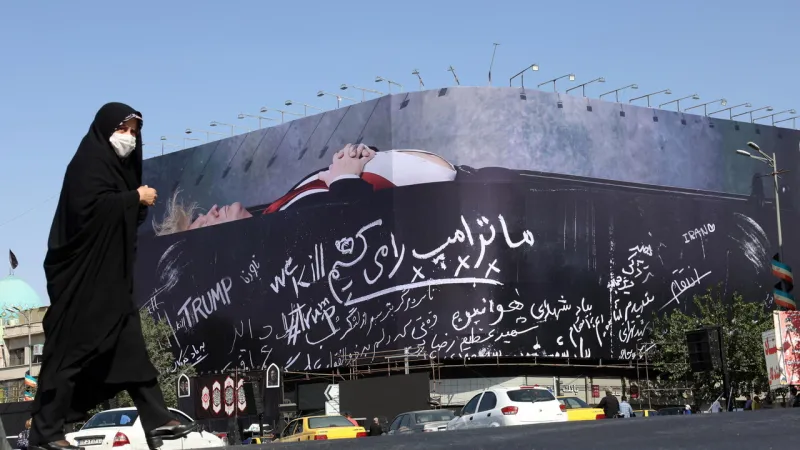
The timing of these attacks is particularly noteworthy, following a period where attention had largely centered on the US-Iran standoff and a reported de-escalation of direct military actions. The shift in belligerence from the Strait of Hormuz to the heart of Saudi Arabia suggests a complex interplay of regional dynamics, potentially orchestrated to exploit perceived strategic windows.
President Trump’s measured statement highlights the intricate calculations facing the US administration. While historically a staunch ally of Saudi Arabia, any direct military intervention carries substantial risks, particularly given the ongoing efforts to manage tensions elsewhere in the region. The White House has yet to issue a more detailed policy statement, emphasizing the deliberation behind future actions.
Analysts suggest the Houthi strategy aims to demonstrate continued military prowess and leverage against Saudi Arabia, possibly influenced by external actors. The attacks serve as a potent reminder that the Yemen conflict, often overshadowed by broader geopolitical crises, remains a significant flashpoint with the potential for wider regional destabilization.
International bodies and allied nations have swiftly condemned the attacks, urging all parties to exercise restraint and de-escalate. The United Nations Secretary-General called for an immediate cessation of hostilities and a return to diplomatic efforts to find a lasting solution to the protracted conflict in Yemen, which has already caused an immense humanitarian catastrophe.
The Houthi movement has frequently employed missiles and drones against Saudi targets since the Saudi-led coalition intervened in Yemen in 2015. These attacks have historically aimed at airports, critical infrastructure, and population centers, consistently testing Saudi air defenses and international resolve.
The Saudi government affirmed its commitment to protecting its sovereign territory and vital installations. A statement from the Ministry of Defense reiterated that such acts of aggression would not go unanswered and that measures would be taken to ensure the safety of its citizens and economic assets. Emergency response teams were deployed rapidly to affected areas.
Global oil markets reacted with a degree of volatility following the news, with futures prices seeing an initial uptick. However, the market’s long-term response will depend on the assessed damage and the perceived risk of future supply disruptions. Energy security experts are closely monitoring the situation.
This incident underscores the complex web of proxy conflicts that define the contemporary Middle East. While a pause in direct engagement with Iran might offer a momentary reprieve in one theater, the escalation elsewhere demonstrates the enduring challenges to regional stability.
Experts on Yemeni affairs speculate that the Houthi offensive could also be a reaction to recent gains made by Saudi-backed forces on the ground, or a tactic to influence ongoing, albeit stalled, peace talks. The rebels consistently assert their right to defend themselves against what they term Saudi aggression and blockade.
The US administration faces pressure from various sides: on one hand, upholding its alliance with Saudi Arabia, and on the other, avoiding entanglement in another protracted conflict. President Trump’s administration has consistently sought to recalibrate US foreign policy to prioritize American interests while navigating complex global security challenges.
Ultimately, the trajectory of this renewed confrontation will depend heavily on the severity of the damage inflicted, the broader international response, and critically, the decision-making process within the White House. The Middle East remains a region perpetually on edge, where calculated pauses can swiftly give way to renewed violence.