 Demian Sahputra
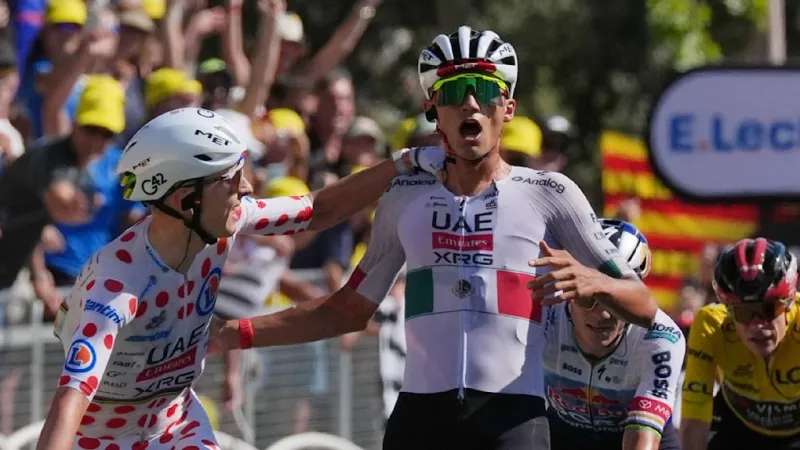
Barcelona, Spain — Cycling superstar Tadej Pogacar executed a remarkable act of sportsmanship on Monday, dominating a challenging stage of the Tour de France on Montjuïc before deliberately ceding the victory to a teammate. This surprising maneuver, coming just a day after Team Visma claimed the Tour's opening stage, saw Pogacar and his UAE Team Emirates squad make a powerful statement by prioritizing team cohesion over individual glory.
The Slovenian champion demonstrated overwhelming strength throughout the arduous climb to the Montjuïc castle, effortlessly distancing his rivals with a searing pace. His powerful acceleration left a trail of struggling competitors, making his eventual decision to relinquish the stage win all the more striking.
As the finish line approached, Pogacar, clearly the strongest rider on the day, slowed his pace, allowing a teammate to surge ahead and claim the coveted stage victory. The gesture was instantaneous and unmistakable, drawing gasps of surprise and admiration from commentators and fans alike who witnessed the unconventional display of leadership.
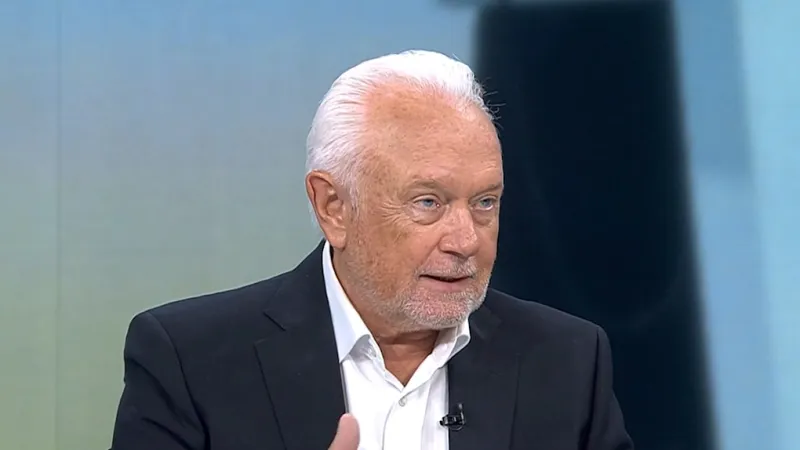
Jan Ullrich, the celebrated German cyclist and former Tour de France winner, lauded Pogacar's decision. “Fantastic, truly fantastic,” Ullrich commented, acknowledging the rare blend of power and selflessness exhibited by the UAE Team Emirates leader. Ullrichs praise underscored the profound impact such an action carries within the intensely competitive world of professional cycling.
The strategic implications of Pogacars gesture are multifaceted. While foregoing an individual stage win, he undeniably bolstered team morale and solidified his position as a magnanimous leader. This move could foster deeper loyalty and commitment among his teammates, crucial elements for success in the grueling three-week Grand Tour.
For Team Visma, who celebrated an initial victory, Pogacar's display serves as a potent reminder of UAE Team Emirates formidable strength. It signals that even when Pogacar is not claiming individual honors, his team remains a dominant force capable of controlling races and executing sophisticated tactics. The psychological impact on rival teams should not be underestimated.
The act rekindles discussions about the balance between individual ambition and team objectives in major sporting events. While the Tour de France is often defined by individual heroics, this moment highlighted the intricate dynamics of team strategy and collective success, a narrative often overshadowed by solo achievements.
Historically, such gestures are rare at this elite level, particularly when a rider is in a position to win decisively. They speak to a deeper understanding of the races ebb and flow, and the long-term goals of a team vying for the yellow jersey.
Fan reaction across social media platforms was overwhelmingly positive, with many applauding Pogacars humility and sportsmanship. The move quickly became a central talking point, illustrating the enduring appeal of actions that transcend mere competition and highlight the human spirit within sport.
Pogacar, known for his aggressive racing style and multiple Grand Tour victories, has once again etched his name into Tour de France lore, this time not for winning, but for choosing not to. This decision showcases a maturity and strategic foresight that sets him apart from many of his peers.
The intricate dance of team tactics is vital in modern cycling. Directors often weigh the benefit of a stage win for a lesser-known rider against the potential exhaustion of a team leader, or the psychological boost of a shared victory. Pogacars decision aligns with this complex calculus, reinforcing the belief that unity propels ultimate success.
As the Tour de France progresses, observers will keenly watch how this gesture impacts the overall race dynamics. Will it inspire his teammates to new heights, or perhaps lull rivals into a false sense of security? Only time will tell the full ramifications of this extraordinary display of sportsmanship. His athletic prowess, as seen in his recent dominant form, continues to be a benchmark for others. The scientific optimization of athlete performance, as seen in areas like elite triathlon records, underpins the physical capabilities required for such dominance.
This incident adds another layer to the compelling narrative of this years Tour, reminding everyone that while battles are fought individually, victory is often forged in the crucible of collective effort. It stands as a testament to the principles of fair play and team spirit, elements that truly enrich the spectacle of professional cycling.