 Dorry Archiles
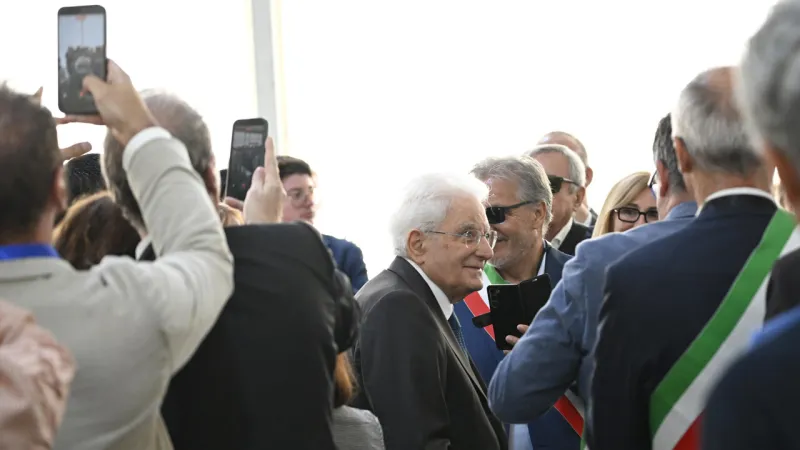
Italian President Sergio Mattarella affirmed the 1976 Seveso disaster marked a historic turning point for European environmental safety consciousness during an official commemoration ceremony held in Seveso, Italy, on the 50th anniversary of the industrial catastrophe. The head of state highlighted how the devastating dioxin release spurred the continent to develop stringent, unified regulations to prevent future ecological tragedies.
Speaking before an audience of dignitaries, survivors, and environmental advocates, President Mattarella underscored the profound impact of the event. He stated that "the norms subsequently developed on a continental scale had historical value," recognizing the far-reaching legislative changes prompted by the tragedy.
The Seveso disaster, which occurred on July 10, 1976, involved an accidental release of a highly toxic cloud containing 2,3,7,8-tetrachlorodibenzo-p-dioxin, or TCDD, from the ICMESA chemical plant in the Lombardy region. This incident immediately affected thousands of residents and contaminated vast agricultural areas.
The toxic plume led to the immediate evacuation of thousands, the slaughter of tens of thousands of animals, and long-term health concerns for the exposed population. The incident etched itself into public memory as a stark illustration of industrial negligence and its devastating consequences.
In response to this catastrophe, the European Economic Community, precursor to the European Union, enacted the first Seveso Directive in 1982. This landmark legislation aimed to prevent major accidents involving dangerous substances and to limit the consequences of such accidents for both human health and the environment.
The original directive underwent revisions, leading to Seveso II in 1996 and Seveso III in 2012, which incorporated advancements in scientific understanding and strengthened public participation requirements. These successive iterations underscore Europe's continuous commitment to elevating industrial safety standards.
President Mattarella emphasized that the lessons learned from Seveso extended beyond European borders, influencing international conventions and industrial safety protocols worldwide. He urged continued vigilance, stressing that environmental protection remains a paramount global challenge.
For the community of Seveso, the 50 years since the disaster represent a journey from devastation to resilience. Contaminated areas underwent extensive remediation, transforming former toxic zones into parks and research facilities. Read more about this journey in Seveso at 50: from Toxic Cloud to Unforeseen Renewal.
The anniversary serves as a potent reminder of the enduring need for robust environmental governance, particularly as industrial processes become more complex and the climate crisis intensifies. Discussions at the ceremony frequently touched upon contemporary challenges in ecological stewardship.
This focus on industrial safety complements broader environmental discussions, such as the ongoing impacts of volcanic activity, as seen in reports like Etna's Volcanic Breath Sweeps Across Mediterranean to North Africa, highlighting diverse threats to ecological balance.
Activists and community leaders present at the ceremony reiterated the critical role of public awareness and citizen involvement in holding industries accountable. They asserted that collective memory of the disaster fuels ongoing efforts to ensure transparency and safety.
As Europe looks toward its future, the legacy of Seveso continues to inform its approach to sustainability and industrial development. Policymakers recognize that economic growth must not come at the expense of environmental integrity or public health.
President Mattarella concluded his address by commending the perseverance of the Seveso community and the legislative foresight that transformed a local tragedy into a catalyst for continent-wide progress. He reiterated Italy's unwavering commitment to leading on environmental protection within the European framework.