Chandra Wijayanto
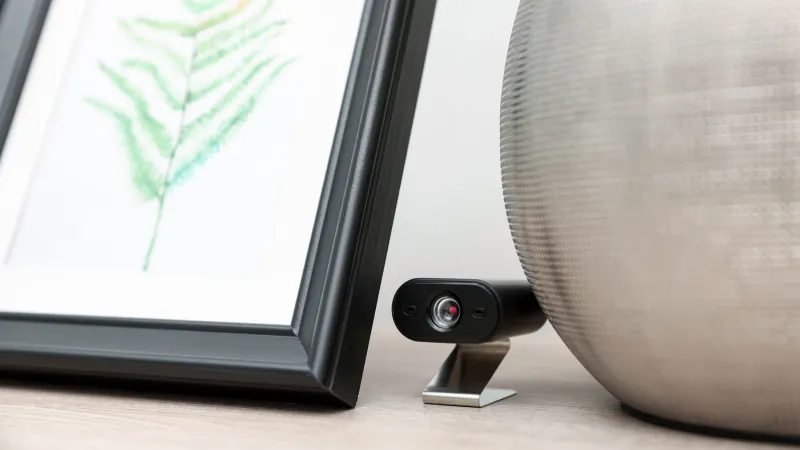
The proliferation of discreet surveillance devices has prompted a growing public unease regarding personal privacy. Individuals can now harness their everyday smartphones to detect surreptitious hidden cameras in unfamiliar surroundings, from hotel rooms to rental properties, providing a crucial layer of security and peace of mind. This essential guide outlines accessible methods for utilizing mobile technology to safeguard private spaces against unwanted intrusion.
Concerns about unauthorized recording have surged, driven by high-profile incidents involving tiny cameras found in unexpected places. As privacy remains a paramount right, empowering citizens with simple, effective detection techniques becomes increasingly vital in an era of pervasive digital surveillance. The seemingly innocuous smartphone, ubiquitous in modern life, offers a potent tool in this personal defense against covert observation.
One primary method exploits the inherent reflective properties of a camera lens. Even the smallest pinhole aperture, often characteristic of hidden cameras, will catch and reflect light. This fundamental principle forms the basis for a straightforward optical detection technique accessible to any smartphone user. It requires minimal setup and can be remarkably effective in uncovering clandestine recording devices.
To employ this technique, begin by darkening the room as much as possible, turning off all lights and drawing curtains. Then, activate your smartphone flashlight. Hold your phone at eye level and slowly scan the entire area, including walls, ceilings, electrical outlets, smoke detectors, vents, mirrors, and any suspicious objects. Simultaneously, observe your phones camera viewfinder as you scan. A hidden camera lens will typically appear as a small, bright glint or dot in your screen, much like a tiny star reflecting light. Be methodical and patient.
Another powerful approach focuses on detecting infrared (IR) light. Many hidden cameras are equipped with IR emitters to facilitate night vision, allowing them to record in low-light or complete darkness. While this infrared light is invisible to the human eye, most smartphone cameras are capable of picking up these emissions, making them invaluable for detection.
To perform an IR check, again, ensure the room is as dark as possible. Open your phones camera application. Point the camera at suspected areas where a hidden device might be concealed. If an active IR camera is present, its emitter will often appear as a flickering or solid white or purple light on your phones screen. It is important to note that the rear camera on some smartphones filters out more IR light than the front-facing camera, so it is advisable to test both if possible for comprehensive coverage.
Beyond optical and infrared detection, network-based scanning provides another crucial layer of scrutiny. Many modern hidden cameras rely on Wi-Fi connectivity to transmit their recorded footage or stream live video. By leveraging network scanning applications, individuals can identify unknown or suspicious devices connected to the local wireless network, such as those found in hotels or rental accommodations.
Applications like Fing, Network Analyzer, or similar tools available on both iOS and Android platforms can scan the local Wi-Fi network and list all connected devices. Users should scrutinize this list for unfamiliar device names, generic IP addresses, or device manufacturers that do not align with the known electronics in the room. Unidentified devices, especially those that appear to be cameras or media servers, warrant further investigation and raise significant red flags.
A comprehensive sweep against hidden cameras involves more than just technological tools; it demands a keen eye for physical anomalies. Before resorting to smartphone methods, conduct a thorough visual inspection of the room. Look for misplaced items, unusual wiring, tiny pinholes in walls or objects, or any device that seems out of place or angled suspiciously. Common hiding spots include alarm clocks, air fresheners, lamps, power adapters, USB chargers, smoke detectors, wall sockets, and even seemingly innocent decor like stuffed animals or picture frames.
Combining these methods offers the most robust defense. Start with a physical inspection, then move to optical detection with your phones flashlight, followed by an infrared scan, and conclude with a network scan. This multi-pronged approach significantly increases the likelihood of discovering any illicit surveillance equipment, ensuring personal spaces remain truly private.
The legal landscape surrounding covert recording devices varies considerably across different regions and jurisdictions. Generally, it is illegal to record individuals in private spaces where they have a reasonable expectation of privacy, such as bedrooms or bathrooms, without their explicit consent. Discovering such a device mandates immediate reporting to local law enforcement and the property owner or host. Understanding local regulations is crucial for taking appropriate and lawful action.
While smartphones offer considerable utility and accessibility for detecting hidden cameras, specialized detectors also exist. These professional-grade devices often employ radio frequency (RF) detection to pinpoint wireless cameras or more advanced optical scanners for lens identification. However, for most individuals seeking a cost-effective and readily available solution, the techniques utilizing their existing smartphone provide a highly effective first line of defense against covert surveillance.
The broader implications of personal data vulnerability extend beyond physical spaces. News reports, such as Opposition Fumes As Presidential Office Allegedly Leaks Lee's Personal Data, continually highlight how digital information can be compromised. This ongoing threat underscores the necessity for individuals to adopt proactive measures, both online and offline, to protect their privacy.
Similarly, the increasing prevalence of apps and their data collection practices has led to calls for greater oversight. Initiatives like Apple Mandates Age Ratings for Dating and AI Companion Apps demonstrate a rising awareness within the tech industry about the need to protect user information, even as new applications and smart devices continue to integrate deeper into daily life, sometimes with unforeseen privacy implications.
Maintaining vigilance is crucial, particularly for frequent travelers or those who regularly use shared accommodations. Integrating a quick hidden camera check into your routine upon arrival at any new lodging can prevent potential privacy breaches and foster a greater sense of security. This simple habit empowers individuals to reclaim autonomy over their personal spaces.
In an increasingly interconnected world where digital privacy faces constant challenges, the ability to effectively find hidden cameras using readily available mobile technology is not merely a convenience but a necessary skill. Arming oneself with these straightforward techniques transforms the smartphone from a mere communication device into a personal guardian against unwanted observation, underscoring how accessible technology can be a powerful ally in protecting fundamental rights and fostering peace of mind.