 Robert Andrison
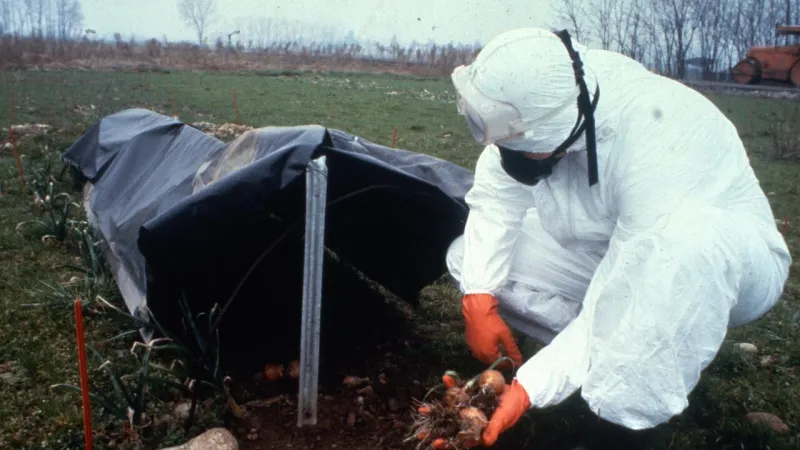
Seveso, Italy - Fifty years after the catastrophic dioxin release that scarred its landscape and community, Seveso prepares to observe a poignant anniversary in 2026, reflecting on decades of environmental rehabilitation and human resilience. Local authorities, led by the mayor of the reconstruction, plan to convey a message of hope and rebirth to Italian President Sergio Mattarella, highlighting how profound good can emerge from tragedy.
The fateful incident, which occurred on July 10, 1976, at the ICMESA chemical plant, involved an accidental explosion that released a highly toxic cloud of 2,3,7,8-tetrachlorodibenzo-p-dioxin, commonly known as TCDD or dioxin, into the atmosphere. This colorless, odorless, and exceptionally poisonous compound settled over a vast agricultural and residential area in the Brianza region, immediately threatening public health and the environment.
Initial reactions were chaotic, marked by uncertainty about the contaminant and its long-term effects. Within days, authorities initiated the evacuation of thousands of residents from the most severely contaminated zones, creating a ghost town in the heart of Lombardy. Animals in the affected areas perished en masse or were culled to prevent dioxin from entering the food chain, a stark visual of the unfolding ecological catastrophe.
The Seveso incident quickly garnered international attention, becoming a grim benchmark for industrial safety and environmental protection. It prompted widespread scientific investigation into the effects of dioxin on human health, leading to long-term epidemiological studies that continue to inform toxicology and public health policies worldwide. The fear of birth defects and cancers loomed large over the affected population for decades.
The subsequent cleanup operation proved to be one of the most complex and expensive environmental remediation efforts in history. It involved the removal of vast quantities of contaminated soil, demolition of affected buildings, and the construction of massive containment basins to encapsulate the toxic waste. The process was meticulously planned and executed over several years, driven by a determination to reclaim the land and allow residents to return.
The community of Seveso, along with neighboring towns like Meda and Desio, displayed remarkable fortitude throughout this ordeal. Residents, displaced from their homes, navigated immense psychological and social challenges, yet maintained a collective spirit focused on recovery and rebuilding. Their perseverance laid the groundwork for the gradual restoration of normalcy.
Today, the once-contaminated zones have been transformed into public parks and green spaces, most notably the Bosco delle Querce (Oak Wood Park) in the heart of the former Zone A. This park stands as a living memorial and a symbol of environmental triumph, demonstrating that damaged ecosystems can, with sustained effort, regenerate and thrive. It represents a tangible outcome of the message: “from evil good can arise.”
The mayor of the reconstruction, a title emblematic of the ongoing commitment to the area's renewal, embodies the persistent dedication of local governance. This official is set to meet President Mattarella, conveying the community's journey and achievements, underscoring the vital role of political will in steering recovery efforts after such a devastating event.
The Seveso disaster also catalyzed significant legislative changes across Europe, leading to the adoption of the “Seveso Directives.” These European Union laws mandate strict safety requirements for industrial sites handling hazardous substances, aiming to prevent similar accidents and mitigate their consequences. The directives have been updated multiple times, reflecting evolving understanding and best practices in industrial risk management.
Fifty years on, Seveso offers a profound case study in disaster management, scientific research, and societal resilience. It illustrates the critical need for robust industrial safety protocols and the profound human capacity to heal and rebuild after experiencing immense hardship. The memory of the toxic cloud serves not as a scar, but as a powerful lesson for future generations and industrial practices globally.
The journey from a site of unprecedented environmental catastrophe to a vibrant, reclaimed landscape is a testament to the enduring spirit of the people of Seveso. Their story resonates as a powerful narrative of hope, emphasizing that even from the depths of a disaster, a path to unforeseen renewal is possible through collective resolve and unwavering commitment.
This anniversary serves as a reminder that vigilance against industrial hazards must remain paramount, while simultaneously celebrating the extraordinary achievements of a community that refused to be defined solely by its past trauma. The mayor's planned communication with President Mattarella will undoubtedly reinforce this message of enduring strength and successful regeneration.
The legacy of Seveso extends beyond its physical boundaries, influencing environmental policy and public consciousness worldwide. It stands as an enduring symbol of humanity's capacity to confront, overcome, and ultimately transform the most severe environmental challenges into opportunities for growth and resilience.