 Debby Wijaya
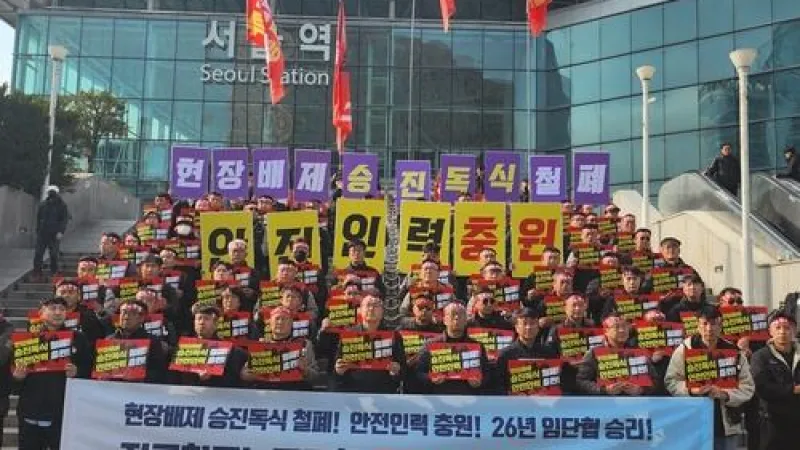
SEOUL, November 11 (Yonhap) – Unionized workers of Korea Railroad Corp. (KORAIL) have announced their intention to initiate an indefinite nationwide strike starting December 10, a move poised to significantly disrupt South Korea’s vital transportation infrastructure and daily life across the country.
The impending labor action stems from protracted disputes over wage increases, improved working conditions, and staffing levels that have stalled in negotiations between the union and KORAIL management. The union maintains that its demands are essential for ensuring worker welfare and maintaining public safety standards within the extensive rail system.
This declaration sets the stage for extensive delays and cancellations affecting both passenger and freight services nationwide. Millions of daily commuters, particularly those relying on the capital region’s extensive subway and regional train lines, face severe logistical challenges during the critical month of December.
Beyond passenger inconvenience, the strike threatens to cripple supply chains, impacting industries that depend on rail for transporting goods and raw materials. Economists warn that a prolonged shutdown could exert substantial pressure on the national economy, already navigating various global uncertainties.
KORAIL management has expressed deep concern over the union's strike notice, emphasizing efforts to avert the disruption through continued dialogue. The corporation has indicated it is developing contingency plans to minimize the impact on essential services, though the scale of a potential indefinite strike presents formidable challenges.
The South Korean government, closely monitoring the situation, has urged both parties to find common ground through swift and constructive negotiations. Officials recognize the critical role rail transport plays in the nation's economic vitality and societal cohesion.
Such widespread industrial action presents a significant test for the current administration, which has been focused on various legislative and economic agendas. The potential for national paralysis from a rail strike could divert resources and attention from other pressing issues, including efforts to push a tougher legislative agenda.
Historically, rail strikes in South Korea have often led to substantial economic losses and public frustration, sometimes necessitating government intervention to broker resolutions. The current threat carries the weight of these past experiences, amplifying calls for a rapid settlement.
A union spokesperson, who requested anonymity due to ongoing sensitive discussions, stated, “Our members are steadfast in their resolve to secure fair terms. This strike is a last resort after exhaustive attempts to reach an equitable agreement with management.”
The economic implications of an indefinite rail stoppage extend beyond direct transportation costs. Sectors like manufacturing, agriculture, and retail could face significant logistical bottlenecks, potentially affecting prices and availability of goods nationwide. This comes at a time when the government has also been focused on regulatory issues, as seen in recent actions like when South Korea slammed 15 firms with trillion-won fines for anti-competitive practices.
As the December 10 deadline approaches, public anticipation mounts for a breakthrough in negotiations. The effectiveness of any contingency plans will be severely tested, highlighting the crucial need for a swift and sustainable resolution to this brewing labor dispute.
The collective bargaining process now enters a critical phase, with immense pressure on both KORAIL and union leadership to prevent a full-scale national transportation crisis that could reverberate throughout the holiday season and beyond.