 Angela Stefani
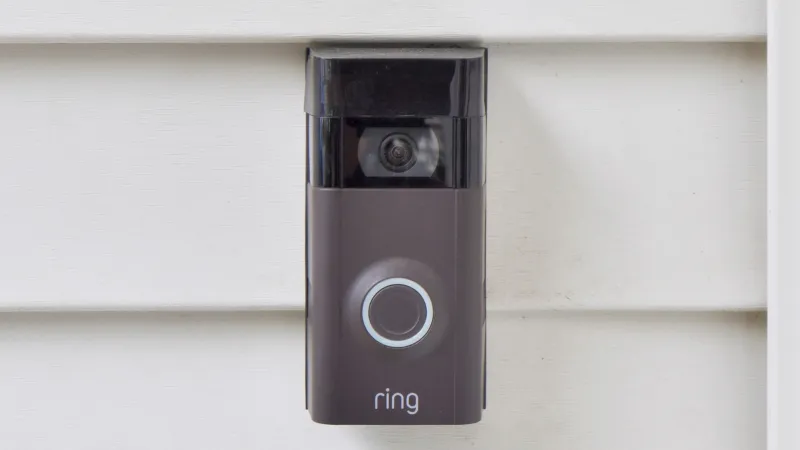
As smart home technology increasingly secures residences nationwide, homeowners can significantly enhance the protective capabilities of their Ring camera security systems far beyond basic installation. Experts emphasize strategic deployment, vigilant monitoring, and seamless integration with other smart devices to transform a standard Ring camera into a formidable deterrent against potential threats, providing comprehensive peace of mind in 2026.
The appeal of a Ring camera lies in its immediate visual monitoring and remote accessibility, offering a foundational layer of security. However, merely mounting a device and connecting it to Wi-Fi unlocks only a fraction of its potential. True optimization requires a proactive approach, moving beyond default settings to create a truly resilient defense system.
Effective camera placement stands as the cornerstone of any robust surveillance setup. Security professionals recommend positioning Ring cameras to cover all primary entry points, including front doors, back doors, and ground-floor windows. Strategic angles that minimize blind spots and maximize field of view are crucial, ensuring no potential intruder goes unnoticed.
Elevated positions, such as under eaves or near garage doors, often provide superior vantage points while making tampering more difficult. Consider areas that offer clear views of pathways and landscaping, anticipating common approach vectors. This thoughtful placement is more than just installation; it is a tactical decision.
Beyond physical positioning, users must delve into the customizable settings within the Ring application. Adjusting motion detection zones allows homeowners to focus surveillance on critical areas, ignoring high-traffic zones like sidewalks to reduce unnecessary alerts. Fine-tuning motion sensitivity also prevents false alarms triggered by pets or environmental factors.
Privacy settings warrant particular attention. Users can define privacy zones that exclude specific areas from recording, protecting neighbors property or other non-essential spaces. This balance between comprehensive security and personal privacy is a key aspect of responsible smart home device management.
A Ring camera security system is only as strong as its underlying network. Robust Wi-Fi connectivity and stringent router security are paramount. Neglecting these aspects can create vulnerabilities that compromise the entire system. Cybersecurity experts often warn that ancient routers pose unseen security liabilities, emphasizing the need for up-to-date hardware and strong, unique passwords.
Implementing two-factor authentication (2FA) for the Ring account and ensuring a strong, complex password significantly fortifies digital access. Furthermore, segregating smart home devices onto a separate guest Wi-Fi network, if available, can provide an additional layer of isolation from a primary home network.
Seamless integration with other smart home devices amplifies the protective umbrella. Connecting Ring cameras to smart lighting systems can trigger lights to illuminate upon motion detection, creating the impression of activity and potentially deterring unwelcome visitors. Integration with smart locks allows for remote door management directly from the Ring app.
Expanding the smart home ecosystem with compatible sensors, such as contact sensors on windows or doors, can complement the visual monitoring provided by Ring. This layered approach creates a more comprehensive and responsive security network, where devices communicate to provide a holistic defense.
Maintaining the system involves more than just ensuring battery life. Regular checks for firmware updates are essential to patch security vulnerabilities and access new features. Overlooking these updates leaves systems exposed to evolving digital threats.
Active engagement with the system is crucial. Responding promptly to alerts, reviewing recorded footage, and understanding the patterns of activity around a property empower homeowners to make informed decisions. A security system performs best when its operator is well-informed and proactive.
Cloud storage options, often bundled with Ring subscriptions, provide crucial off-site backup for recorded footage. In the event of device damage or theft, stored video can be invaluable for identifying perpetrators and assisting law enforcement investigations.
While many aspects of Ring camera optimization are user-implementable, complex property layouts or specific security concerns might warrant professional consultation. Security specialists can offer tailored advice on optimal device placement, network configuration, and comprehensive system design, especially for larger residences or businesses.
The proliferation of affordable smart home security solutions like Ring cameras reflects a societal shift towards personalized and accessible property protection. This trend empowers individuals to take a more direct role in safeguarding their homes and loved ones, moving beyond traditional alarm systems.
The visible presence of a Ring camera can act as a significant psychological deterrent. Studies suggest that properties displaying clear signs of surveillance are less likely targets for opportunistic crimes. This preemptive effect is a vital, albeit often unquantified, benefit of modern home security technology.
Ultimately, maximizing protection from a Ring camera security system transcends simple setup; it involves a continuous commitment to strategic configuration, diligent maintenance, and an understanding of both its capabilities and limitations. Embracing these advanced strategies transforms a basic monitoring device into a truly formidable guardian of the home.