 Edward DP Situmorang
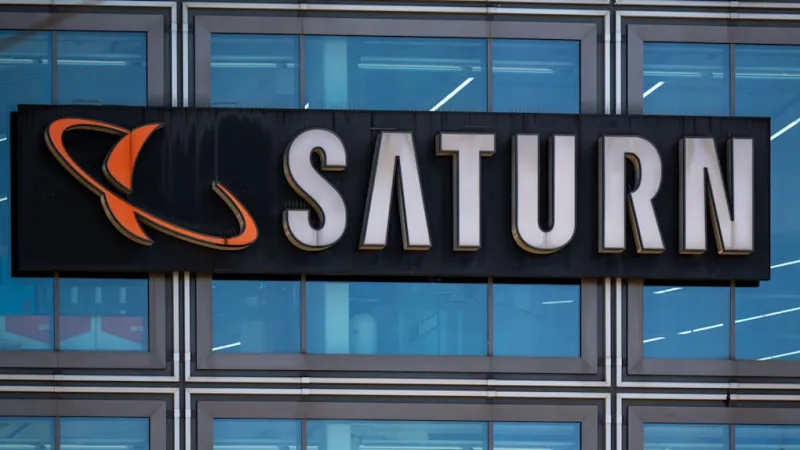
After decades of coexisting as prominent electronics retailers, Saturn markets across Germany are undergoing a significant transformation, with many either closing their doors or being rebranded as MediaMarkt outlets, cementing a singular future for the brand under its sister company.
This strategic shift marks a pivotal moment in the German retail landscape, reshaping the presence of consumer electronics stores in numerous inner cities. The move confirms a long-term plan for the venerable Saturn brand to evolve, effectively merging its operations and identity with MediaMarkt.
For years, both Saturn and MediaMarkt, subsidiaries of the Ceconomy Group, operated distinct yet often overlapping retail strategies. While MediaMarkt frequently positioned itself as a bustling, discount-oriented superstore, Saturn often cultivated an image of premium service and a more curated product selection.
However, the intensifying pressure from online retail giants and changing consumer purchasing habits have forced brick-and-mortar stores to adapt. The duplication of infrastructure and marketing efforts between two closely related brands became increasingly inefficient in a competitive market.
Company executives have largely remained tight-lipped regarding the precise financial implications of the widespread rebranding. However, analysts suggest the consolidation aims to streamline supply chains, reduce operational overheads, and present a unified front to consumers and suppliers.
This decision signals a definitive strategy from Ceconomy to focus its resources and marketing power on a single, dominant brand. By eliminating the perceived internal competition, the group expects to achieve greater brand clarity and market efficiency.
Customers who have frequented Saturn stores will gradually witness the transformation, with many locations already displaying MediaMarkt branding or announcing their permanent closure. The experience for shoppers is expected to converge under the MediaMarkt umbrella, offering a consistent retail environment.
The disappearance of Saturn as an independent retail entity reflects a broader trend within the European retail sector, where consolidation and specialization are becoming key to survival. Companies are increasingly opting for stronger, unified brands to navigate complex economic conditions.
The strategic rationale extends beyond simple cost-cutting. By consolidating under the MediaMarkt banner, Ceconomy can leverage greater purchasing power, optimize its logistics network, and deploy more cohesive digital and in-store marketing campaigns.
This move also has implications for the commercial real estate market in German cities. Prime retail spaces previously occupied by large Saturn stores will either house renovated MediaMarkt outlets or become available, potentially attracting new tenants from other sectors.
While the change may evoke nostalgia for some long-time patrons of Saturn, industry observers highlight the necessity of such bold steps for traditional retailers to remain relevant in an era dominated by e-commerce and rapidly evolving consumer preferences.
The long-term impact on employment within the retail group remains a significant concern for labor unions and employees. While some roles will transition to MediaMarkt, redundancies are an inevitable consequence of such large-scale organizational restructuring.
Ceconomy has yet to provide comprehensive details on the total number of store closures or the full extent of job changes, but the direction is clear: a lean, unified retail presence under the MediaMarkt brand will define its future in Germany.
The transformation underscores the dynamic nature of the retail sector, where even well-established brands must constantly re-evaluate their models to survive. The quiet disappearance of Saturn markets speaks volumes about the challenges facing physical retail in 2026 and beyond.
Ultimately, this consolidation is an attempt by Ceconomy to fortify its market position against both domestic and international competitors, ensuring its continued relevance in the fiercely competitive consumer electronics trade.
The company aims to create a more compelling and integrated omnichannel experience, allowing customers to seamlessly transition between online shopping and physical store visits under the familiar MediaMarkt brand identity.
Industry experts suggest that while the immediate transition period might present challenges, the unified brand strategy could lead to stronger brand equity and increased customer loyalty in the long run.
The reshaping of German inner-city retail spaces reflects a strategic adaptation, where efficiency and a singular brand focus are prioritized to secure market leadership in the electronics sector.
This development is a stark reminder that even the most enduring retail presences are not immune to the forces of market evolution and the imperative to adapt or fade away.
For consumers, the change means a potentially more consistent shopping experience, albeit with the gradual farewell to a brand that has been a fixture in German electronics retail for decades.