 Dorry Archiles
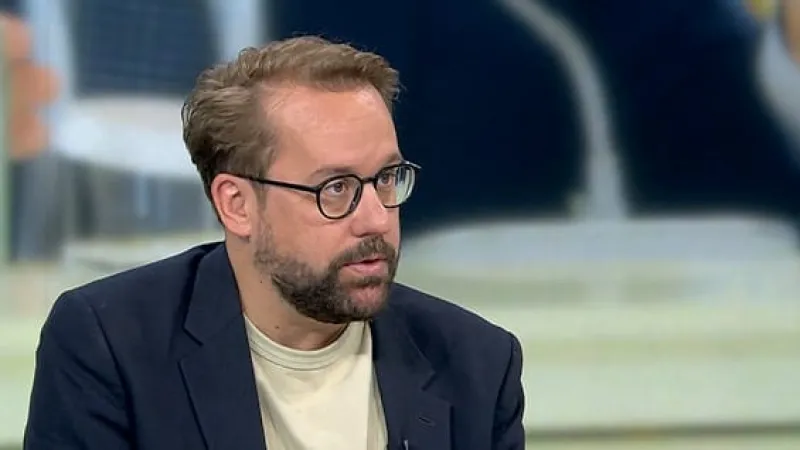
TEL AVIV — President Donald Trump abruptly called off a military strike that Israeli forces anticipated and prepared for, according to veteran war reporter Paul Ronzheimer, who filed his report from the bustling Israeli capital. The unexpected cancellation has left observers and allies questioning the administration's overarching strategy, particularly regarding its objectives in the volatile Middle East.
Ronzheimer conveyed the palpable tension preceding the decision, stating, "Everything pointed to an attack." This sentiment underscores the widespread expectation among regional military and intelligence circles that a decisive military action was imminent, potentially targeting assets linked to hostile actors in the broader Persian Gulf region.
The Israeli armed forces were reportedly on high alert, ready to respond or participate in coordinated operations. Such a state of readiness typically involves extensive planning, resource deployment, and coordination, signaling the gravity of the perceived threat and the likelihood of a confrontation.
While the specific target of the anticipated strike was not explicitly named in Ronzheimer's dispatch, the context of regional tensions and prior geopolitical skirmishes strongly suggests a focus on Iran or its proxies. Escalating rhetoric and recent incidents have kept the region on edge, making a preemptive or retaliatory strike a constant possibility.
Following the surprising halt, Ronzheimer articulated the prevailing sentiment of uncertainty. "One wonders what the strategy is now," he remarked, highlighting the profound ambiguity surrounding President Trump's immediate intentions and long-term goals for de-escalation or confrontation.
This sudden pivot from military action to an undisclosed alternative approach marks a significant shift. It comes at a time when global powers are scrutinizing every move in the Middle East, a region perpetually on the brink of wider conflict.
Sources close to the administration, as reported previously, indicated that President Trump has a history of pursuing diplomatic avenues even after military readiness is established. Notably, the Saudi Crown Prince previously persuaded President Trump to halt an Iran strike, suggesting a pattern of high-stakes diplomatic interventions influencing military decisions.
This unexpected pause in military action appears to align with a broader pattern of President Trump's approach to international relations, often characterized by a blend of strong rhetoric, show of force, and a surprising willingness to engage in direct negotiations.
Indeed, following previous instances of halted strikes, President Trump has often pivoted towards dialogue. Related reports suggest President Trump announces new Iran talks after halting strikes, a clear indication that a diplomatic path might now be the preferred route.
The critical question now facing international observers and regional powers alike is how President Trump aims to achieve his strategic objectives without resorting to the anticipated military option. This could involve intensified economic sanctions, renewed diplomatic overtures, or a covert operational strategy.
Analysts speculate that the administration might be testing the resolve of adversaries, using the threat of force as leverage for more favorable diplomatic outcomes. This approach, while unconventional, has been a hallmark of President Trump's foreign policy.
The long-term vision could involve a new understanding with Tehran. President Trump foresees an Iran nuclear deal after a Hormuz Agreement, potentially leveraging Saudi Arabia's role, pointing towards a comprehensive strategy that prioritizes a diplomatic resolution over sustained military engagement.
However, the rapid shift creates a complex environment for allies like Israel, who must adapt their own defense postures to a fluctuating American policy. The lack of clear communication on the new strategy can foster unease and require rapid reassessments of regional threats.
Regional stability hangs precariously in the balance, as nations interpret President Trump's latest move. The perceived unpredictability, while potentially a negotiation tactic, can also be a source of anxiety for those directly impacted by Middle East tensions.
The global community will watch closely for further developments, seeking clarity on the administration's intentions. The world awaits a definitive articulation of President Trump's revised strategy for achieving peace and security in one of the world's most volatile regions.