 Angela Stefani
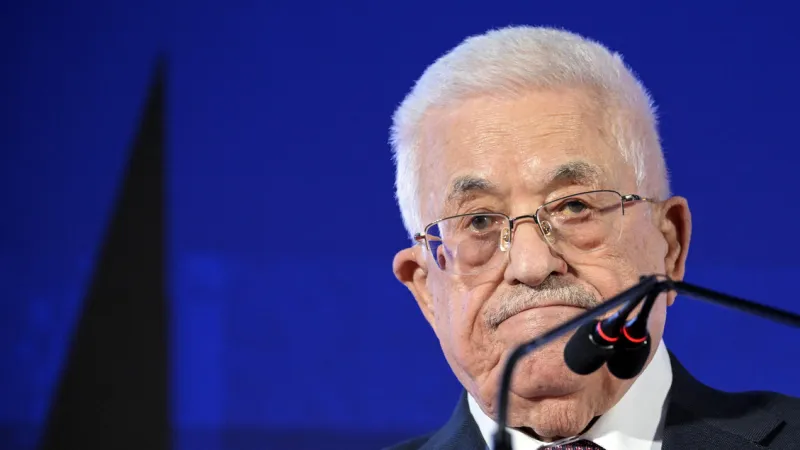
RAMALLAH – Palestinian Authority President Mahmoud Abbas, commonly known as Abu Mazen, issued a significant decree this week, officially mandating Palestinian presidential elections to be held in the year 2027. The presidential directive, circulated by official media channels, specifies the year but omits an exact date for the long-anticipated ballot, setting the stage for a critical leadership transition within the Palestinian territories.
The announcement comes amidst persistent calls for revitalized democratic processes in both the West Bank and Gaza Strip, regions that have not seen a presidential election since 2005. Abu Mazen, 91 years old in 2026, won that election following the death of Yasser Arafat, securing a four-year term that has now extended for over two decades.
The prolonged absence of a popular mandate has frequently drawn criticism from international observers and segments of Palestinian society. Advocates for democracy have consistently urged the holding of both presidential and legislative elections to restore legitimacy to Palestinian governance structures.
A key obstacle to previous election attempts has been the deep political schism between Abu Mazen’s Fatah movement, which governs the West Bank, and Hamas, the Islamist group controlling the Gaza Strip. Past efforts to coordinate national elections have faltered over disagreements regarding security arrangements, electoral supervision, and voter eligibility in both territories.
In 2021, Abu Mazen unilaterally cancelled scheduled legislative and presidential elections, citing Israels refusal to allow voting in East Jerusalem. Critics, however, suggested the cancellation was partly driven by fears that Fatah might suffer significant losses against a unified Hamas or independent candidates.
The decree for 2027 emerges at a particularly tumultuous period for the Palestinian leadership. Ongoing regional instability and internal pressures from a younger generation seeking political change amplify the stakes of any future electoral contest.
While the decree provides a general timeline, the specifics of its implementation remain unclear. A precise date, the structure of the electoral commission, and the mechanisms for ensuring a free and fair vote across divided territories will be critical details to be determined.
International bodies and key allies are likely to welcome the announcement as a step towards reinforcing democratic institutions. However, they will also closely monitor the preparations to ensure the elections proceed without further delays and are inclusive of all Palestinian factions.
Significant hurdles persist, including securing Israels cooperation for voting in East Jerusalem, reconciling Fatah and Hamas positions on electoral procedures, and mobilizing a politically fatigued electorate. The logistical complexities alone present a formidable challenge.
The upcoming Palestinian presidential elections in 2027 underscore the pressing issue of succession for the aging Abu Mazen. The absence of a clear, democratically chosen successor has long been a point of concern for regional stability.
The decision also holds implications for broader regional dynamics, particularly as President Donald Trumps administration continues to engage with Middle East peace efforts. The stability and representativeness of Palestinian leadership are critical components of any future diplomatic initiatives.
Palestinian officials are expected to begin consultations with various political factions in the coming months to iron out the details. These discussions will be crucial for building consensus and ensuring the credibility of the planned 2027 ballot.