 Edward DP Situmorang
WASHINGTON — The Trump Administration today commenced a sweeping initiative to refund an estimated $166 billion in tariffs, a move designed to provide substantial financial relief to American businesses that have borne the cost of duties imposed over recent years. The Treasury Department outlined the administrative process, signaling a significant shift in trade policy aimed at bolstering domestic economic activity.
This monumental effort, announced by President Donald Trump himself, targets the enormous sums collected from importers under various trade measures, particularly those stemming from Section 232 national security tariffs on steel and aluminum, and Section 301 duties on goods from China. The administration justifies the refunds as a necessary adjustment to previous trade strategies.
For years, American companies across diverse sectors, from manufacturing to retail, have absorbed these additional costs, often passing them on to consumers or enduring reduced profit margins. The tariffs were initially implemented to protect domestic industries and address perceived unfair trade practices by foreign nations.
The Treasury Department detailed that eligible businesses will be able to apply for refunds through a streamlined process, with an emphasis on verifying the original tariff payments. Officials anticipate a phased rollout, prioritizing companies demonstrating immediate need or significant economic impact.
Industry leaders have largely welcomed the news, with many seeing it as a critical lifeline for sectors struggling with persistent supply chain disruptions and inflationary pressures. The National Association of Manufacturers lauded the move as a proactive step toward enhancing American competitiveness.
Economists suggest the $166 billion injection could stimulate investment, foster job creation, and potentially curb inflation by lowering input costs for producers. This financial boost comes at a crucial time for the national economy.
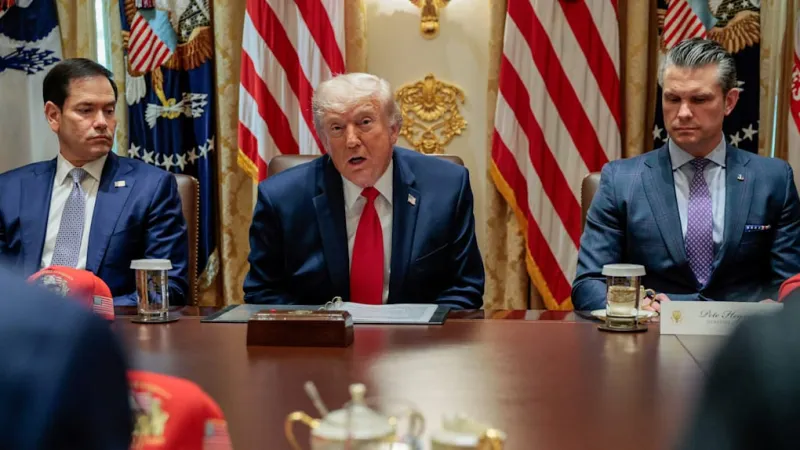
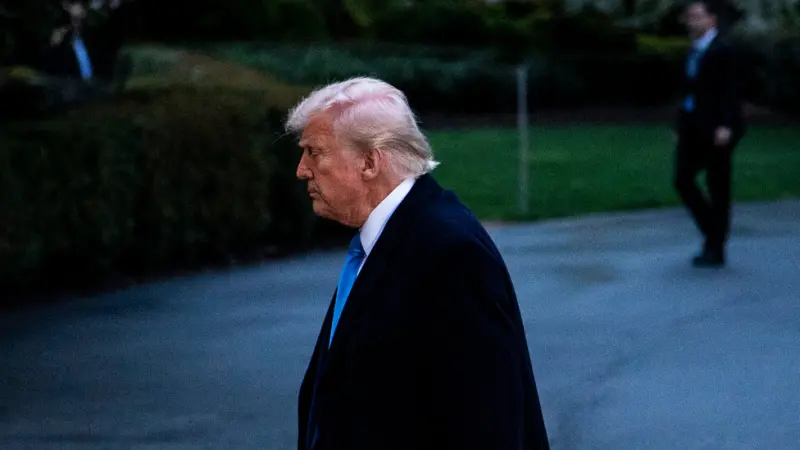
President Trump addressed the decision during a White House press briefing, stating, "We are putting America First by putting American businesses first. This refund will unleash tremendous potential and ensure our companies can compete fairly on the global stage." He emphasized the administration's commitment to dynamic trade policies.
While broadly supported by business groups, some trade analysts warn of the administrative complexities involved in processing such a vast sum and the potential for fraud. Ensuring equitable distribution and accurate verification will be paramount for the program's success.
Sectors like automotive, electronics, and textiles, which rely heavily on imported components, are expected to be among the primary beneficiaries. Many of these industries have been vocal about the financial strain imposed by tariffs over the past several years.
The decision also signals a potential reevaluation of the broader trade agenda by the Trump Administration, suggesting a pivot towards more direct financial support for industries rather than relying solely on tariff barriers. This initiative marks a significant policy turn.
Treasury officials indicated that an online portal for applications will launch within the next quarter, accompanied by comprehensive guidelines to assist businesses in navigating the refund process. The goal is to expedite payouts while maintaining strict oversight.
International trade partners will closely watch the implementation of these refunds, as it could influence future negotiations and trade agreements. The move could be interpreted as a gesture to de-escalate certain trade tensions, even as the administration maintains a firm stance on protecting American interests.
Dr. Eleanor Vance, a senior trade economist at the Peterson Institute for International Economics, observed, "The scale of this refund is unprecedented and will undoubtedly provide a substantial liquidity boost. The challenge will be in the execution and ensuring it translates into sustainable economic growth rather than short-term relief."
This refund program differs from previous tariff exclusion processes by offering a direct financial return on duties already paid, rather than prospective exemptions. It represents a more direct intervention to redress past economic impacts.
The Trump Administration takes steps to refund $166 billion in tariffs, positioning this action as a strategic investment in the nation's economic vitality and a testament to its adaptive approach to global trade dynamics. The coming months will reveal the full scope of its impact.