 Angel Doris
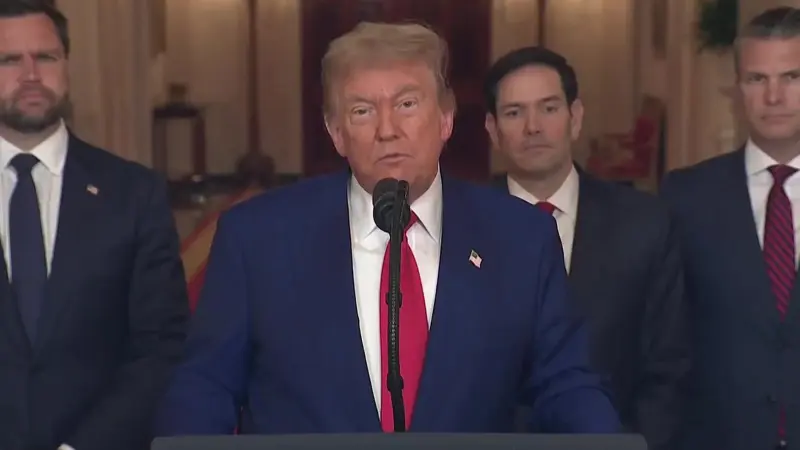
WASHINGTON — Representative Michael Waltz, a Florida Republican, on Tuesday staunchly defended President Donald Trump's previously articulated threat to bomb “every single power plant” in Iran. The congressman’s remarks came during a national television interview, re-emphasizing a controversial posture amid ongoing regional instability and geopolitical tensions.
Waltz, a former Green Beret, asserted that such direct warnings are crucial for effective deterrence against Iranian aggression. He argued that clarity regarding potential U.S. responses is more effective than ambiguity, particularly when dealing with adversaries he characterized as understanding only strength.
President Trump initially made the incendiary comments during his first term, signaling a readiness to employ overwhelming force against Iran if American interests or personnel were attacked. These threats drew sharp condemnation from some international observers and critics who warned of potential war crimes and humanitarian crises.
The White House has consistently maintained that President Trump's foreign policy is designed to protect U.S. security and its allies, using all available tools including economic sanctions and credible military threats. Administration officials often emphasize a strategy of “peace through strength.”
Waltz echoed this sentiment, suggesting that Iran’s leadership would only reconsider its actions, such as supporting proxy militias or pursuing nuclear ambitions, if faced with an unequivocal threat of severe consequences. He cited what he views as past failures of appeasement.
Critics of this maximalist approach argue that such threats can escalate tensions rather than de-escalate them, potentially pushing Iran closer to confrontation or encouraging it to accelerate its illicit programs. Diplomacy, they contend, should remain the primary tool.
Security analysts are divided on the efficacy of explicit infrastructure targeting threats. While some believe it provides a clear red line, others worry it could corner adversaries, leaving them fewer off-ramps and increasing the likelihood of miscalculation.
The congressman underscored the importance of demonstrating resolve, particularly as the region navigates complex challenges including the persistent Houthi threat in Yemen and Iran’s continued development of ballistic missiles. He stressed that U.S. credibility is paramount.
The discussion surrounding President Trump’s past threats resurfaces as the U.S. continues to engage in complex diplomatic maneuvers aimed at curtailing Iran’s nuclear program and its regional influence. The administration is balancing pressure with cautious engagement.
Iran, for its part, has consistently dismissed such threats as psychological warfare, vowing to respond decisively to any attack on its sovereignty. Tehran has often highlighted its own missile capabilities and regional alliances as deterrents.
Political observers note that Waltz’s defense also serves to rally support among President Trump’s base, who often appreciate the President’s direct and often unvarnished rhetoric on foreign policy matters. The statements align with a robust, assertive stance favored by many conservatives.
This debate highlights a fundamental divergence in American foreign policy thought: whether to engage adversaries through calibrated threats and dialogue or through overwhelming displays of potential force. The ramifications for global stability remain significant.