 Dorry Archiles
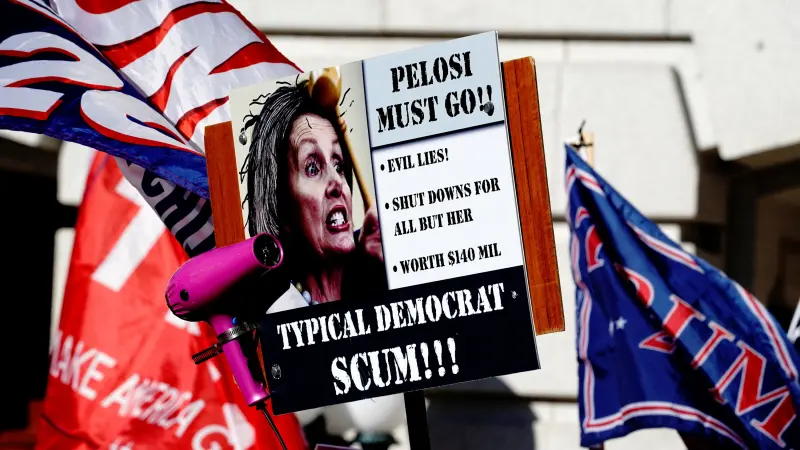
ATLANTA — Muslim Southerners are grappling with a renewed surge of hateful political rhetoric across the region in 2026, prompting widespread alarm among civil rights advocates and community leaders who warn of its potential to foster division and incite discrimination. The concerning trend, which manifests in public statements, social media campaigns, and some proposed legislative actions, is emerging amidst a charged national political climate, stirring fears within diverse Muslim communities from Virginia to Texas.
This fresh wave of rhetoric, often couched in discussions of national security, immigration, or cultural identity, is perceived by many as a direct challenge to the integration and safety of Muslim Americans. Advocacy groups report an uptick in hate-motivated incidents and an increasingly hostile public discourse.
“We are witnessing a calculated effort to marginalize and demonize Muslim communities in the South, an area where they have long contributed to the social and economic fabric,” stated Dr. Amina Khan, executive director of the Southern Muslim Advocacy Council, based in Atlanta. “This is not merely political disagreement; it is the deliberate incitement of prejudice.”
The rhetoric frequently employs broad generalizations and unsubstantiated claims, painting Muslim communities as monolithic or disloyal. Critics argue that such narratives resonate with existing biases, making vulnerable populations targets for suspicion and antagonism.
Historically, Muslim communities in the South have faced periods of heightened scrutiny, particularly after 9/11. However, current observers note that the political tenor in 2026 presents a unique challenge, given the widespread dissemination of information and misinformation through digital platforms.
Leaders within the Muslim community are actively organizing to counter these narratives. Efforts include interfaith dialogues, educational outreach to local schools and civic groups, and increased engagement in the political process to ensure their voices are heard.
“Our resilience is rooted in our faith and our commitment to American ideals,” said Imam Yusuf Rahman of Dallas, Texas. “We will not be silenced, nor will we allow misinformation to define who we are. We are Americans, and we are Southerners.”
Political analysts suggest that the rise in rhetoric may be linked to broader electoral strategies aimed at energizing specific voter bases. This approach, they contend, risks fragmenting society along religious and cultural lines, undermining national unity.
The national political landscape, heavily influenced by the administration of President Donald Trump, has seen a heightened focus on issues of immigration and national identity. While the administration has not directly endorsed all specific instances of hateful rhetoric, critics argue that the prevailing discourse can create an environment where such narratives gain traction.
Academics studying American religious demographics emphasize the diversity of Muslim communities in the South, comprising converts, descendants of enslaved Africans, and immigrants from various parts of the world. They warn that reductive stereotypes ignore this rich complexity.
Civil rights organizations are calling for greater accountability from political leaders and media outlets to denounce discriminatory speech and promote accurate representations of Muslim Americans. They stress the importance of factual reporting over sensationalism.
Facing this renewed wave, Muslim Southerners continue to advocate for their rights, striving to foster understanding and combat prejudice with education and active participation in civic life. The current moment underscores an ongoing struggle for inclusion and respect in a rapidly evolving American South.