 Chandra Wijayanto
WASHINGTON — A severe and record-setting drought has taken hold across significant portions of the United States in 2026, creating an urgent crisis that is elevating wildfire risks, critically straining municipal and agricultural water supplies, and portending potential spikes in national food prices.
This prolonged dry spell, exacerbated by consistently high temperatures, affects millions of Americans and poses substantial challenges to the nations economy and environmental stability. Federal agencies and state governments are now mobilizing resources to mitigate the multifaceted impacts.
Reports from the National Oceanic and Atmospheric Administration indicate that nearly 60 percent of the contiguous United States is experiencing drought conditions, with extreme to exceptional drought categories dominating the Western and Midwestern states. This marks one of the most widespread and intense droughts in decades.
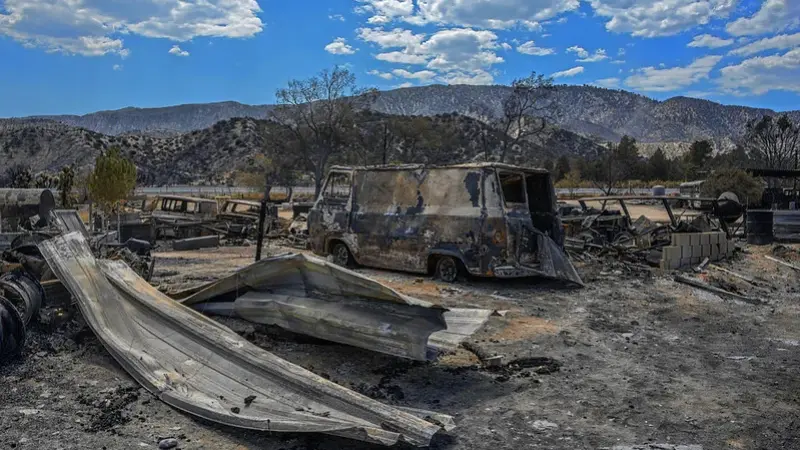
The parched landscapes present an immediate and grave danger of wildfires. Emergency services across California, Arizona, and Oregon are already reporting an uptick in brush fires, prompting preemptive evacuation alerts in several vulnerable communities.
Firefighting resources are stretched thin as dry lightning storms become more frequent, igniting new blazes even as crews battle existing infernos. Local officials urge residents to adhere strictly to fire prevention guidelines to safeguard lives and property.
Beyond immediate fire threats, the drought is severely impacting water infrastructure. Major reservoirs in the West, including Lake Mead and Lake Powell, have receded to historically low levels, jeopardizing hydroelectric power generation and water allocations for major metropolitan areas like Los Angeles and Phoenix.
Agricultural communities, particularly in Californias Central Valley and the Great Plains, face catastrophic crop losses. Farmers are contending with reduced water allotments, forcing difficult decisions regarding planting schedules and livestock management, potentially leading to higher commodity prices.
President Donald Trumps administration acknowledged the severity of the situation during a recent press briefing, outlining federal support initiatives for drought-stricken regions. The White House indicated it is coordinating with state governors to streamline aid and implement emergency water conservation measures.
“The welfare of our farmers and the security of our national food supply remain paramount,” President Trump stated, emphasizing a proactive approach to the emerging crisis. “We are deploying every available federal resource to support communities grappling with these unprecedented conditions.”
Economists warn that consumers could soon see significant increases in grocery bills as the ripple effects of agricultural distress reach the supply chain. Staples such as wheat, corn, and certain produce items are most susceptible to price volatility.
Dr. Eleanor Vance, a climatologist at the University of California, Berkeley, noted the long-term implications. “This drought is not an isolated event; it aligns with broader climate patterns suggesting more frequent and intense dry periods in the future,” Dr. Vance explained. “Sustainable water management and innovative agricultural practices are no longer optional, but essential.”
Public awareness campaigns are being rolled out nationwide, urging citizens to adopt stringent water conservation habits, from limiting landscape irrigation to fixing household leaks. Every drop saved contributes to the collective effort to manage dwindling resources.
Utility companies in affected areas are implementing mandatory water restrictions, including limits on outdoor watering and car washing. Non-compliance could result in substantial fines as authorities seek to enforce conservation during this critical period.
The confluence of increased fire danger, depleted water sources, and climbing food costs paints a challenging picture for the nation. As 2026 progresses, the efficacy of coordinated federal and state responses will be critical in mitigating the full scope of this record US drought.