 Angela Stefani
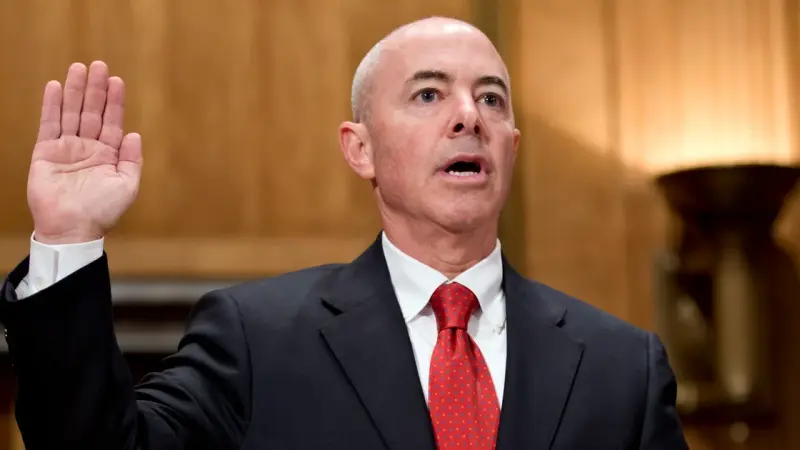
WASHINGTON — President Donald Trump's nominee for Secretary of Homeland Security today secured a pivotal endorsement from the Senate Homeland Security and Governmental Affairs Committee, clearing a significant procedural hurdle on the path to confirmation.
The committee's vote, largely along party lines, sends the nomination of Michael Vance to the full Senate for a final decision. The advancement marks a critical step for the Trump administration in solidifying its leadership team for the nation's primary domestic security agency.
Vance, a former federal prosecutor and long-time law enforcement official, faced intense scrutiny during his confirmation hearings, particularly regarding his stances on border security, immigration policy, and cybersecurity threats. His supporters lauded his extensive experience and commitment to national safety.
Senator William Hayes (R-TX), the committee chairman, praised Vance's qualifications following the vote. Hayes stated, "Mr. Vance possesses the operational acumen and the strategic vision required to lead the Department of Homeland Security during these complex times. His dedication to safeguarding American citizens is unwavering."
Conversely, several Democratic senators voiced strong opposition, citing concerns about Vance's approach to humanitarian issues at the border and his past comments on civil liberties. Senator Eleanor Green (D-NY), the ranking member, articulated her reservations during the committee's executive session.
Green asserted, "While we acknowledge Mr. Vance's service, his policy positions diverge significantly from the compassionate and comprehensive approach necessary for effective homeland security. We must ensure the department upholds American values, not just enforces raw power."
The debate underscored the deep partisan divisions surrounding immigration and national security policy within the current political landscape. The Department of Homeland Security, established in the wake of the September 11 attacks, encompasses a vast array of responsibilities, from border protection and customs to emergency management and cybersecurity.
President Trump nominated Vance earlier this year, emphasizing the need for robust leadership to execute his administration's priorities, particularly concerning border enforcement and confronting evolving global threats. The President has frequently highlighted the importance of a strong, unified approach to national security.
The full Senate is expected to take up Vance's nomination in the coming weeks. Senate Majority Leader has indicated a desire to move swiftly on key administration appointments.
Should Vance be confirmed, he would inherit a department grappling with persistent challenges, including managing record numbers of migrant encounters, combating sophisticated cyberattacks, and responding to natural disasters with increasing frequency and intensity.
The confirmation process has become a significant test of the President's ability to secure his preferred candidates through a divided Congress, even with his party holding a majority. Each nominee's journey serves as a barometer for future legislative battles and political maneuvering on Capitol Hill.
Analysts predict a spirited floor debate as senators from both sides prepare to re-litigate the issues raised in committee, making the final vote a closely watched event for both the administration and the public interested in the nation's security posture.