 Demian Sahputra
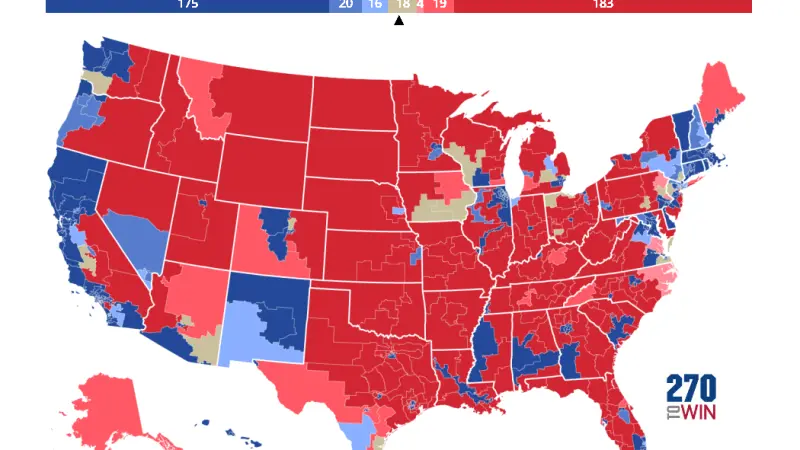
CHICAGO — Unexpected outcomes from Tuesday's primary elections across Illinois have dramatically reshaped the state's political landscape, setting the stage for a fiercely contested general election this November. Voters cast ballots for key gubernatorial, senatorial, and congressional nominations, with several high-profile races delivering surprising upsets and tight finishes that defied conventional predictions. The Election Results: 2026 Primary In Illinois offer a crucial early glimpse into voter sentiment ahead of the midterm elections of President Donald Trump's second term.
The most significant upset emerged from the Republican gubernatorial primary, where Lieutenant Governor Thomas Sterling narrowly defeated businessman Robert Maxwell. Sterling, a moderate endorsed by many establishment figures, pulled ahead late in the evening with 51.3 percent of the vote after early returns showed Maxwell, a populist backed by a grassroots movement, in the lead for much of the night.
On the Democratic side, incumbent Governor Sarah Chen fended off a robust challenge from Chicago Mayor David Lee, securing her party's nomination with a comfortable, though not overwhelming, margin. Chen's victory positions her for a potentially grueling general election campaign against Sterling, highlighting a significant ideological clash for the state's highest office.
The Democratic Senate primary also saw a tight contest, with State Senator Eleanor Vance triumphing over progressive activist Marcus Thorne. Vance secured 53 percent of the vote, largely benefiting from her strong appeal in suburban areas and a well-funded campaign that emphasized her legislative experience.
Political analysts are now scrutinizing the primary outcomes for their broader implications. Dr. Evelyn Reed, a political science professor at Northwestern University, noted, "These Election Results: 2026 Primary In Illinois signal a highly engaged electorate, but also one that is deeply divided, even within party lines. The margins were closer than many pollsters predicted, suggesting a volatile general election environment."
Voter turnout across the state was notably higher than in previous midterm primaries, a development commentators attribute to heightened national political polarization and the critical nature of several state-level races. Election officials reported few major issues, with polling places generally operating smoothly despite the increased participation.
The Republican Party in Illinois now faces the task of unifying its base following the contentious gubernatorial primary. Lieutenant Governor Sterling extended an olive branch to Maxwell's supporters, stating, "We must come together now. Our shared goal is to bring common-sense leadership to Springfield, and that mission is bigger than any single primary contest."
Governor Chen, addressing her supporters after her win, emphasized her administration's accomplishments and laid out her vision for another term. "The people of Illinois have spoken. We will continue our work to build a stronger, more equitable state for everyone, and I look forward to a robust debate about our future this fall," she proclaimed.
The general election campaign is expected to intensify rapidly, with both parties now focusing their resources on mobilizing voters and defining their opponents. The contests for the U.S. House of Representatives in several key districts also delivered competitive results, indicating that Illinois will be a battleground state in the broader national political landscape.
President Donald Trump has not yet publicly commented on the Illinois results, but the outcomes could influence national party strategies as both Republicans and Democrats assess their standing ahead of the 2026 midterms. The state's political trajectory remains a key indicator of national sentiment.