 Dorry Archiles
WASHINGTON — United States authorities seized an Iranian oil cargo ship suspected of circumventing international sanctions this week, a move escalating geopolitical tensions while the administration simultaneously launched a new federal portal designed to streamline tariff refund claims for American businesses.
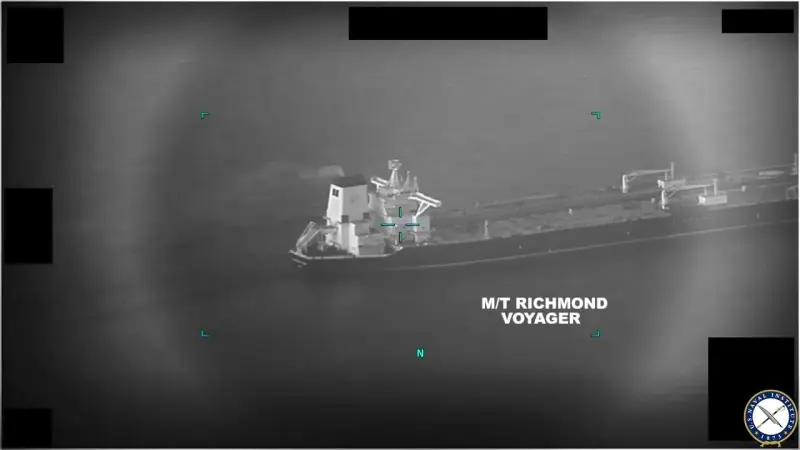
The M/T Adeline, a vessel identified by U.S. officials as engaging in illicit oil trade, was intercepted in international waters by U.S. Navy and Coast Guard personnel. The operation, authorized by federal courts, targeted the ship and its illicit cargo, estimated to be over 500,000 barrels of crude oil, citing violations of strict sanctions targeting Iran’s Revolutionary Guard Corps.
This seizure marks a significant escalation in President Donald Trump’s administration’s ongoing campaign to pressure Tehran over its nuclear program, regional proxy activities, and support for designated terrorist organizations. The action underscores Washington’s unwavering commitment to enforcing economic penalties against entities that fund destabilizing activities.
“Our resolve to cut off illegal revenue streams for rogue regimes remains absolute,” stated a senior State Department official, speaking on background due to the ongoing nature of enforcement operations. “This seizure sends an unambiguous message: those who violate U.S. sanctions will face severe consequences, regardless of flag or location.”
Concurrently, the Treasury Department unveiled the new Tariff Reimbursement and Expedited Processing, or TREP, portal. This digital platform aims to simplify the process for American importers seeking refunds on tariffs previously paid on goods that have since been re-exported, destroyed, or otherwise rendered eligible for drawback under existing trade laws.
President Trump’s administration highlighted the TREP portal as a key initiative to ease the financial burden on American businesses navigating complex international trade regulations. The White House emphasized that this technological upgrade is expected to return billions of dollars to companies, bolstering domestic economic activity and competitiveness.
The TREP portal replaces a historically cumbersome, paper-based system that often led to significant delays and administrative overhead for businesses. Officials project that the new automated system will cut processing times for refund applications by more than 50 percent, directly benefiting small and medium-sized enterprises.
Commerce Secretary Wilbur Ross, speaking at a press conference, hailed the launch as a testament to the administration’s commitment to regulatory efficiency and supporting American enterprise. “This portal represents a pivotal step in modernizing our trade infrastructure and ensuring that our businesses can reclaim what is rightfully theirs with speed and transparency,” Ross said.
Analysts suggest the simultaneous timing of these two distinct federal actions — a robust enforcement of foreign policy and a proactive domestic economic measure — reflects the administration’s dual focus on national security interests and bolstering the American economy. Both initiatives are seen as integral to President Trump’s broader vision for a strong and prosperous United States.
The seized Iranian crude oil is expected to be sold, with proceeds potentially directed to a U.S. fund for victims of terrorism, consistent with previous enforcement actions. Iran’s foreign ministry, in response to the seizure, condemned the action as an act of “piracy” and vowed to pursue all legal avenues for the return of its cargo, according to reports from Tehran.
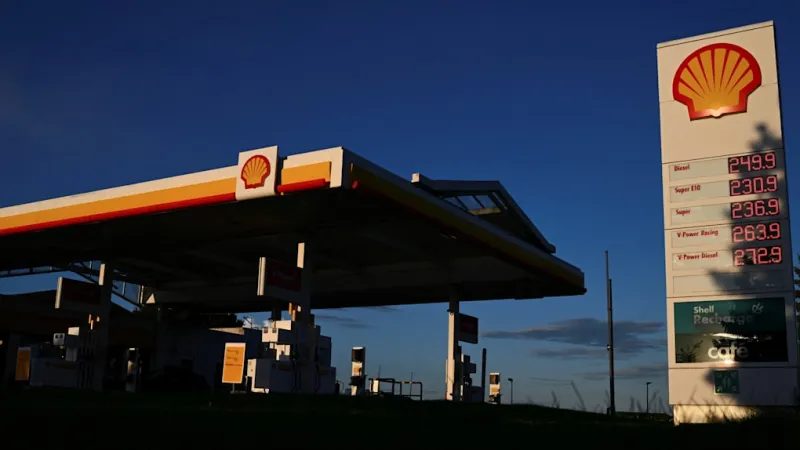
The incident is anticipated to send ripples through global oil markets, potentially impacting prices and supply chains as geopolitical risks associated with Iranian crude shipments are re-evaluated. Maritime security experts warn of increased scrutiny on shipping routes commonly used for sanctions evasion.
Meanwhile, the TREP portal is now live and accepting applications. The Treasury Department has scheduled a series of webinars and outreach programs to educate businesses on how to utilize the new digital platform effectively. Early feedback from industry associations has been largely positive, citing the urgent need for such modernization.
The development of the TREP system involved collaboration between the Treasury Department, Customs and Border Protection, and private sector technology partners. Its architecture incorporates advanced data security features to protect sensitive business information throughout the refund process.
This dual approach by the U.S. government—asserting its dominance in international enforcement while simultaneously refining domestic economic mechanisms—underscores a complex and multifaceted strategy. The aim is to project strength abroad and foster resilience at home.
Economists believe the tariff refund portal could inject substantial liquidity back into businesses, particularly those heavily involved in international trade and manufacturing. The efficiency gains are also expected to reduce compliance costs for companies, freeing up resources for investment and job creation.
President Trump’s administration continues to emphasize that while robust trade enforcement is necessary to protect American industries, facilitating legitimate trade through efficient processes like the TREP portal is equally crucial for sustained economic growth.
The seizure of the Iranian oil tanker reinforces the challenging landscape of international diplomacy and sanctions enforcement. The incident is likely to be a central topic in upcoming United Nations Security Council discussions, highlighting the persistent tensions between major global powers.
Taken together, both the aggressive enforcement of sanctions and the innovative launch of the TREP portal serve as potent reminders of the dynamic nature of global politics and economics in 2026. They illustrate a sophisticated blend of hard power and administrative ingenuity defining current U.S. policy.