Chris Robert
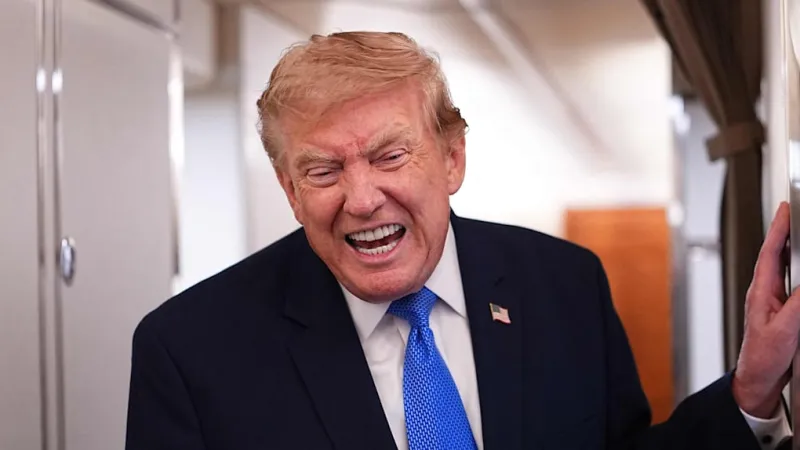
WASHINGTON – President Donald Trump announced new, critical negotiations with Iran are scheduled to commence Monday afternoon, a significant diplomatic shift following his recent decision to suspend retaliatory strikes against the nation. The President clarified that the halt in military action was prompted by the existence of "outlines of an agreement" and his assertion that Tehran had advance knowledge of the scope of the intended attacks.
The sudden suspension of planned strikes, initially poised to escalate regional tensions, marked a pivotal moment in the ongoing standoff between Washington and Tehran. This dramatic turn underscored a renewed preference for diplomatic resolution over immediate military confrontation.
The impending discussions, set to unfold swiftly, represent a direct engagement aimed at de-escalating the long-simmering hostilities. The announcement did not specify the precise format or location of these high-stakes negotiations, but their immediate initiation signals a palpable sense of urgency.
President Trump emphasized that Iranian authorities "saw the attack brewing," indicating a level of transparency or intelligence exchange prior to the proposed military action. This claim suggests a complex interplay of signals and counter-signals preceding the current diplomatic overture.
The abrupt cessation of strikes closely followed reports of intense diplomatic lobbying. Notably, discussions between the United States and its regional allies played a crucial role. Sources familiar with the matter previously reported on how Saudi Crown Prince Persuaded President Trump to Halt Iran Strike, highlighting the intricate web of influence at play.
The existence of "outlines of an agreement" is the stated catalyst for this diplomatic pivot. While specific details remain undisclosed, this phrase suggests a foundational understanding or preliminary consensus on key issues, potentially involving Iran's nuclear program or its broader regional activities.
This series of events demonstrates a delicate balancing act by the Trump administration, navigating between assertive posturing and a renewed commitment to dialogue. The potential for direct Iran talks offers a glimmer of hope for reducing friction and instability in the Middle East.
Prior attempts at negotiation with Iran have often been fraught with complexity and deep-seated mistrust, with both sides frequently accusing the other of bad faith. The current context, however, presents a unique window for engagement, albeit one laden with significant hurdles and historical baggage.
Any substantive progress in US-Iran talks could profoundly reshape the geopolitical landscape of the Persian Gulf, impacting allies and adversaries alike across the region. The stability of global energy markets also hinges significantly on the trajectory of these crucial diplomatic efforts.
The international community will closely monitor these impending Iran talks, with many nations eager to see a peaceful resolution to tensions that have repeatedly threatened to spill over into broader conflict. The implications for global security are substantial and far-reaching.
As diplomats prepare for the Monday afternoon session, the world watches intently to see if these nascent discussions can translate into concrete steps towards lasting stability. The path ahead remains uncertain, but the commencement of talks itself marks a notable shift in strategy and a potential turning point.