 Robert Andrison
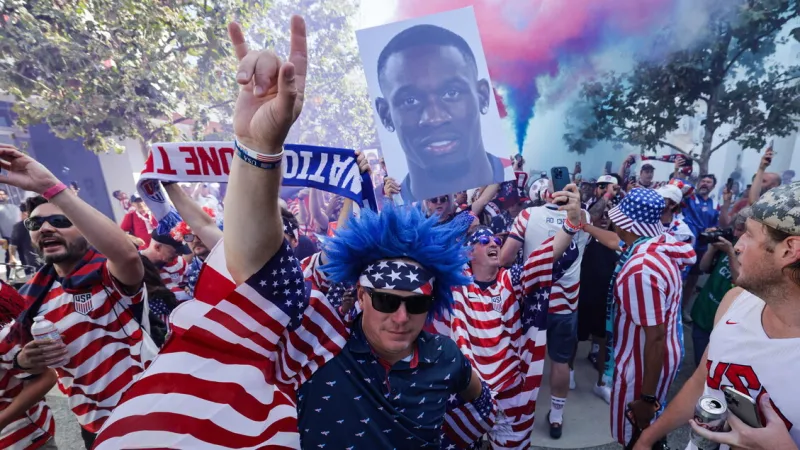
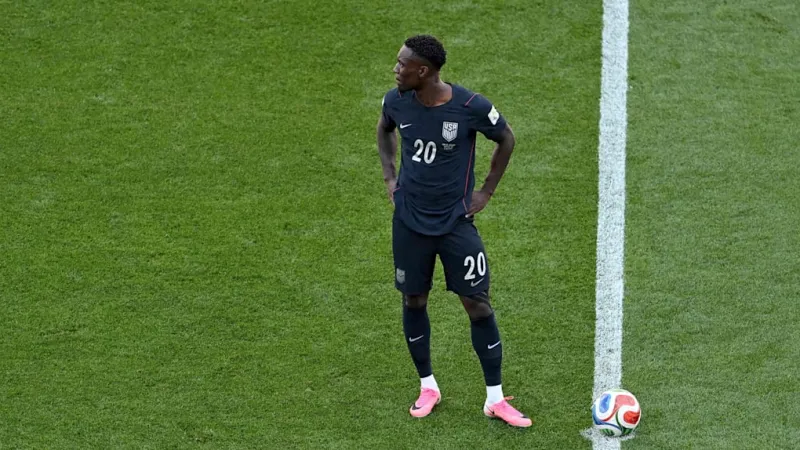
Washington, D.C. — The United States is reportedly considering an ambitious bid to host the 2038 FIFA World Cup, with prominent figures asserting the nation's extensive capacity to manage an unprecedented 64-team tournament. This exploration signals a bold move by U.S. soccer authorities, aiming to bring the globe's premier soccer event back to American soil just over a decade from now.
The potential bid comes as FIFA continues to expand the World Cup format, challenging host nations with increasingly complex logistical demands. Yet, the confidence among U.S. officials remains high, with one figure stating, “We can also manage a 64-team tournament.” This remark underscores a belief in the nation's unparalleled infrastructure and organizational prowess.
The United States has a significant history with the FIFA World Cup, having successfully hosted the tournament in 1994, which remains one of the most attended in the event's history. Furthermore, the nation is already set to co-host the 2026 World Cup alongside Canada and Mexico, an experience that will undoubtedly provide valuable insights and a blueprint for future solo hosting endeavors.
Hosting a 64-team World Cup, a format potentially in play for 2038, presents both formidable challenges and immense opportunities. Such an expansion would require an even larger number of world-class stadiums, extensive training facilities, and robust transportation networks capable of moving millions of fans across vast distances.
However, the U.S. boasts an abundance of modern sports arenas, many of which are already equipped to handle major international events. Cities nationwide possess the hospitality infrastructure, including hotels, restaurants, and entertainment options, vital for accommodating the influx of teams, officials, and tourists.
Economically, a 2038 World Cup bid represents a potential boon. The tournament would generate significant revenue through ticket sales, sponsorships, broadcasting rights, and tourism, creating thousands of temporary and permanent jobs. The economic impact could extend far beyond the host cities, stimulating growth across various sectors.
Logistically, managing a tournament of this scale would demand meticulous planning and coordination. The experience gained from the upcoming 2026 World Cup, which will already feature an expanded format, will be critical in refining strategies for security, logistics, and fan engagement for a potential 2038 event.
While the U.S. is a strong contender, other nations or confederations may also express interest in hosting the 2038 World Cup. FIFA's continental rotation policy typically prevents a confederation from hosting consecutive tournaments, but specific rules for 2038 have yet to be finalized, leaving the field open for various bids.
The U.S. Soccer Federation would play a central role in formalizing any bid, working closely with government agencies, city officials, and private sector partners to develop a comprehensive proposal. Such a bid would need to articulate a compelling vision for the tournament, emphasizing its global reach and lasting legacy.
The growing popularity of soccer in the United States further strengthens the case for a 2038 bid. The sport has seen a dramatic increase in viewership, youth participation, and professional league development over the past decades. A home World Cup provides an unparalleled opportunity to further ignite passion for the game nationally. The tournament attracts global attention, as demonstrated by intense competitions like Uruguay, Spain Battle for World Cup Group H Supremacy.
Hosting the World Cup again could also significantly impact youth soccer development and strengthen domestic leagues, providing inspiration for the next generation of American athletes. The exposure and investment brought by such an event could elevate the sport's stature from grassroots to elite professional levels.
This early contemplation of a 2038 World Cup bid underscores the United States' sustained ambition in the international sports arena. As discussions progress, the world will watch to see if the U.S. formally throws its hat into the ring to host what promises to be another memorable chapter in soccer history.